All Items
27,432 items
|
Title
|
Images
|
Item Comment
|
Prefix
|
Number
|
In set
|
Set
|
Set Comment
|
Type
|
Artist
|
Author
|
Size
|
Topics
|
Set Covers
|
Reference
| |
|---|---|---|---|---|---|---|---|---|---|---|---|---|---|---|---|
| 25421 |











|
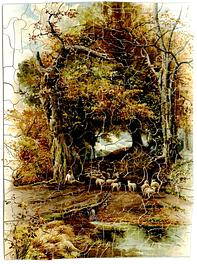
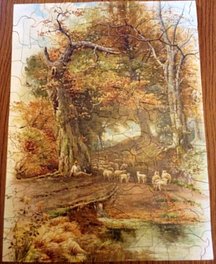
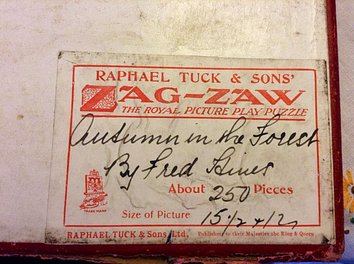
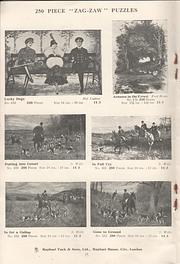
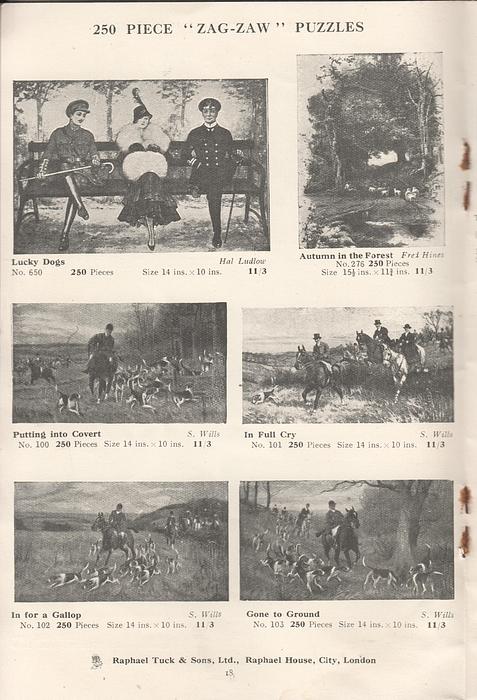
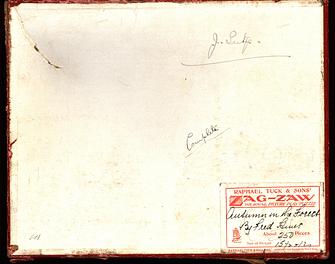
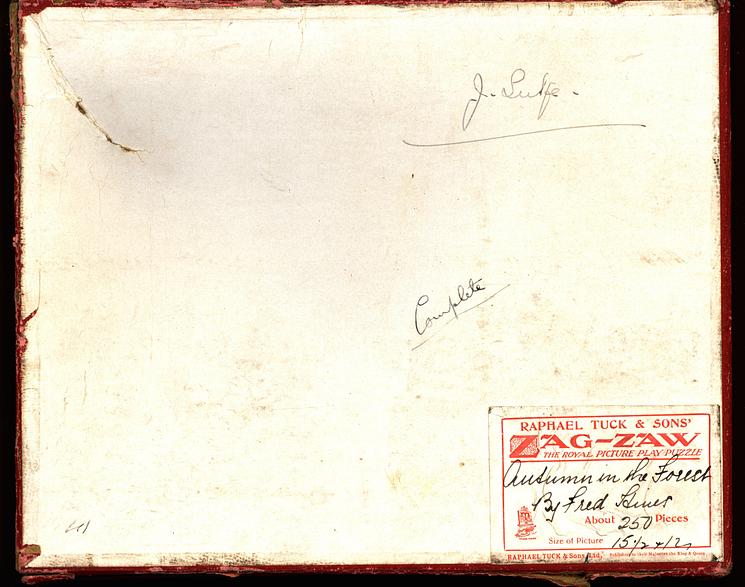
250 pieces, wooden, figurals, complete with box, push fit style, described and listed in the catalogs as number 276
|
|
|
|
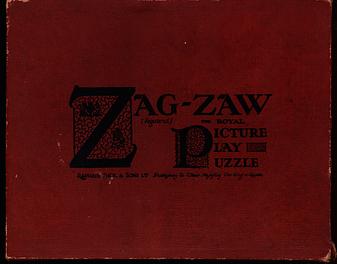
Zag-Zaw line of puzzles was first produced in 1909, most incorporate figurals or whimsies, sold in red, orange, or occasionally green boxes with labels on the side or bottom of the box, most without guide pictures. Initially cut non-interlocking but by 1930's became more so. Puzzles have a different cuts so that the same image will come in several versions which means that missing pieces can not be taken from other puzzles with the same image. The puzzle labels are often hand written and come with minor variations in titles and details. Some have a DESIGN category on the label. From my readings this refers to the style of cut, wavy lines, figurals, etc. See also Bob Armstrong's website on old jigsaw puzzles
|
FRED HINES
|
|
11 1/2 x 15 1/4 in.
|
|
|
| |||
| 25422 |







|
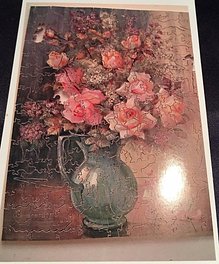
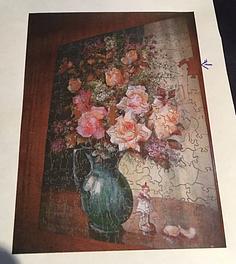
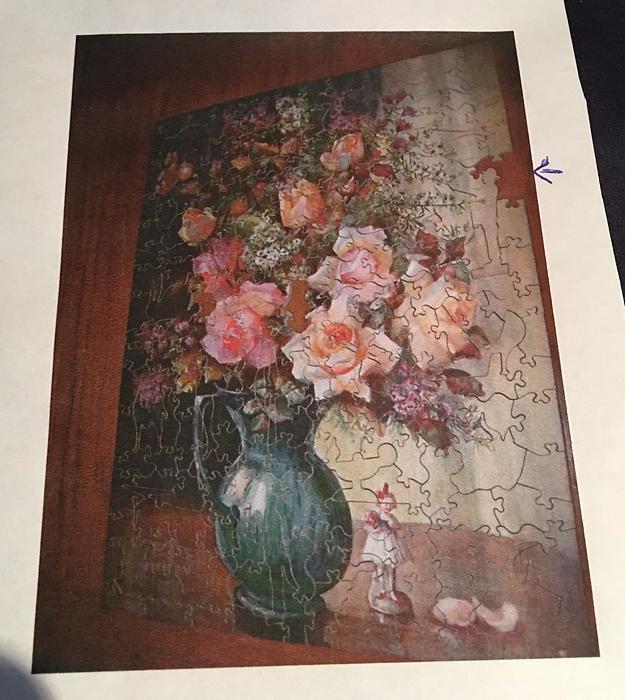
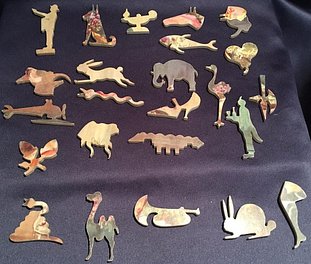
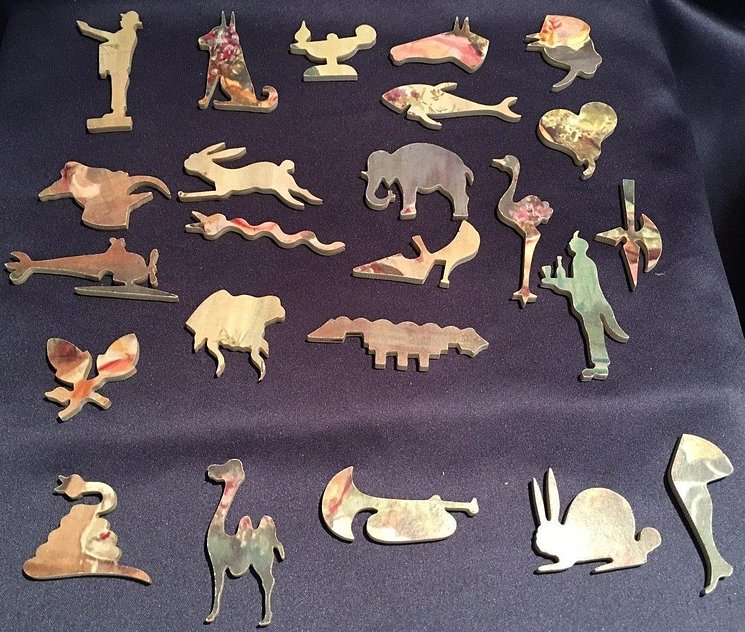
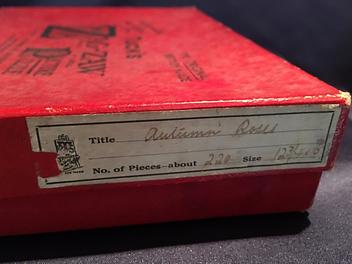
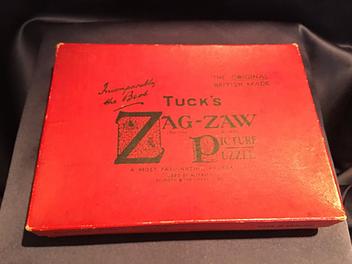
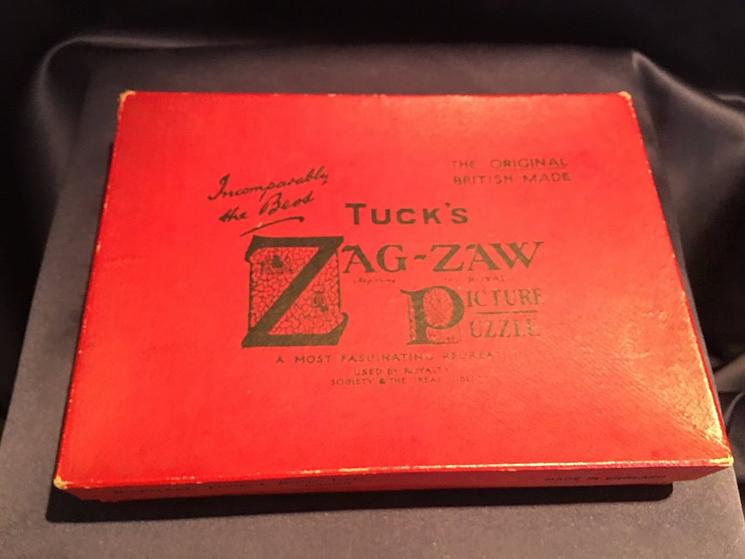
about 220 pieces, several whimsies, this copy has missing pieces
|
|
|
|
Zag-Zaw line of puzzles was first produced in 1909, most incorporate figurals or whimsies, sold in red, orange, or occasionally green boxes with labels on the side or bottom of the box, most without guide pictures. Initially cut non-interlocking but by 1930's became more so. Puzzles have a different cuts so that the same image will come in several versions which means that missing pieces can not be taken from other puzzles with the same image. The puzzle labels are often hand written and come with minor variations in titles and details. Some have a DESIGN category on the label. From my readings this refers to the style of cut, wavy lines, figurals, etc. See also Bob Armstrong's website on old jigsaw puzzles
|
|
|
10 x 12 3/4 in.
|
|
|
| |||
| 25423 |




|
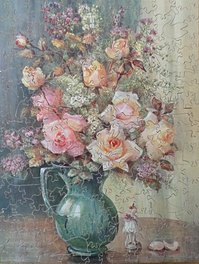
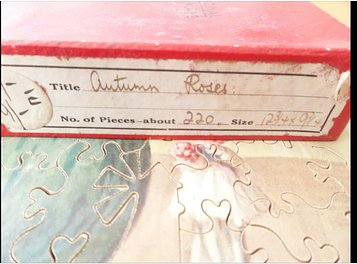
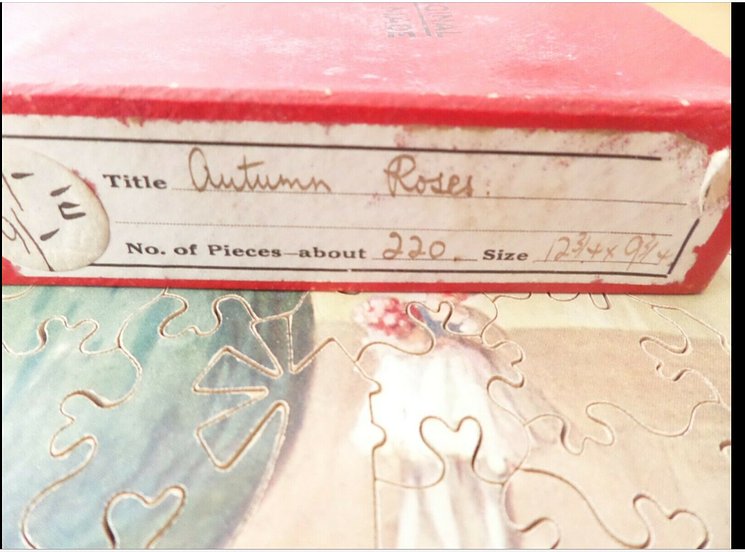
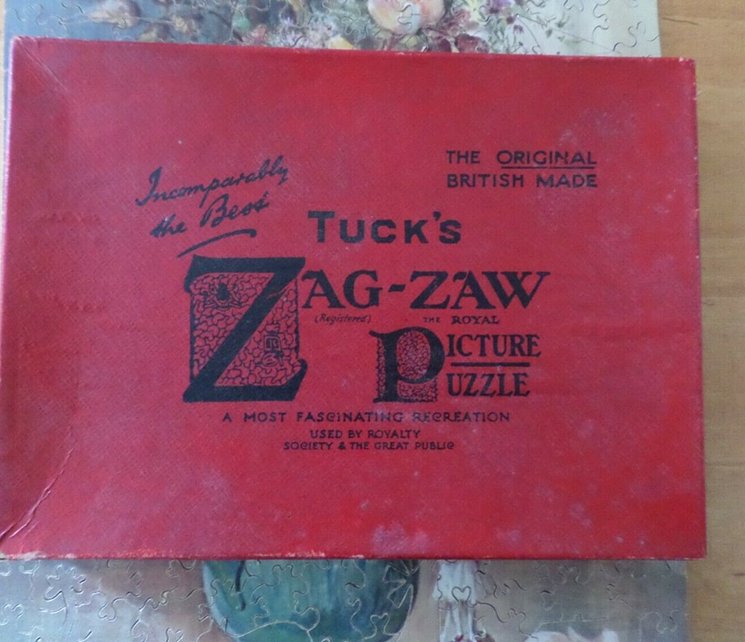
220 pieces, wooden, figurals, complete with box, interlocking style
|
|
|
|
Zag-Zaw line of puzzles was first produced in 1909, most incorporate figurals or whimsies, sold in red, orange, or occasionally green boxes with labels on the side or bottom of the box, most without guide pictures. Initially cut non-interlocking but by 1930's became more so. Puzzles have a different cuts so that the same image will come in several versions which means that missing pieces can not be taken from other puzzles with the same image. The puzzle labels are often hand written and come with minor variations in titles and details. Some have a DESIGN category on the label. From my readings this refers to the style of cut, wavy lines, figurals, etc. See also Bob Armstrong's website on old jigsaw puzzles
|
|
|
|
9 3/4 x 12 3/4
|
|
|
| ||
| 25424 |









|
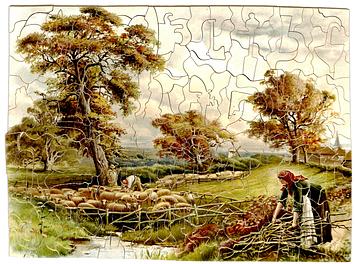
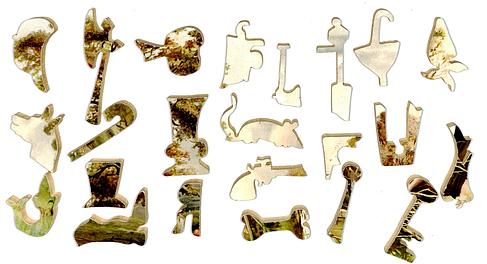
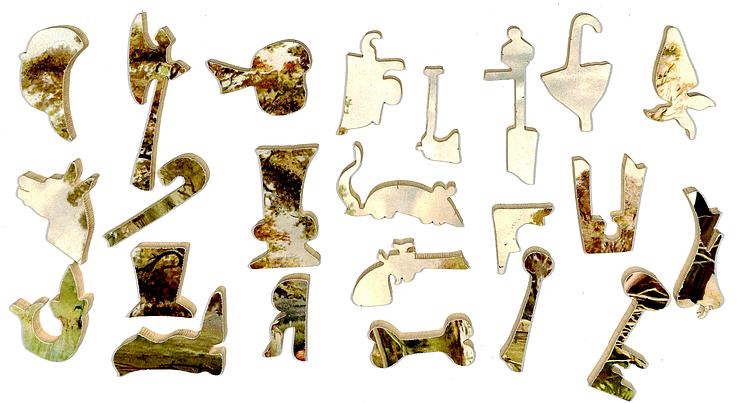
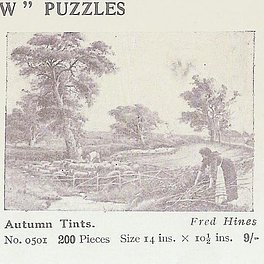
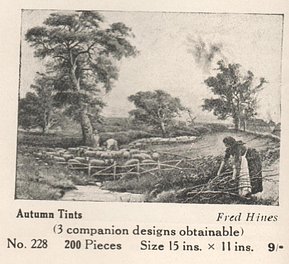
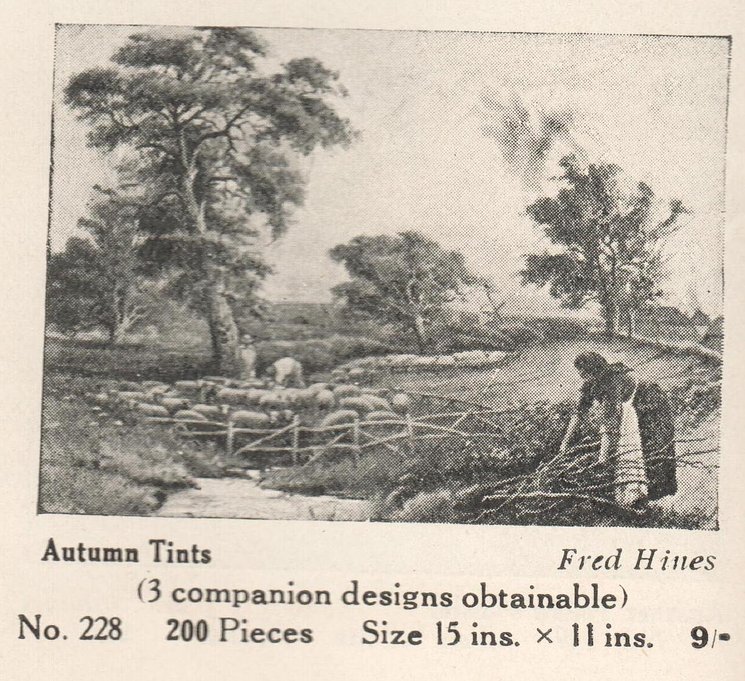
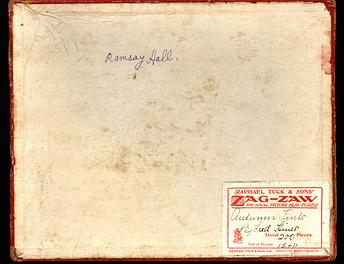
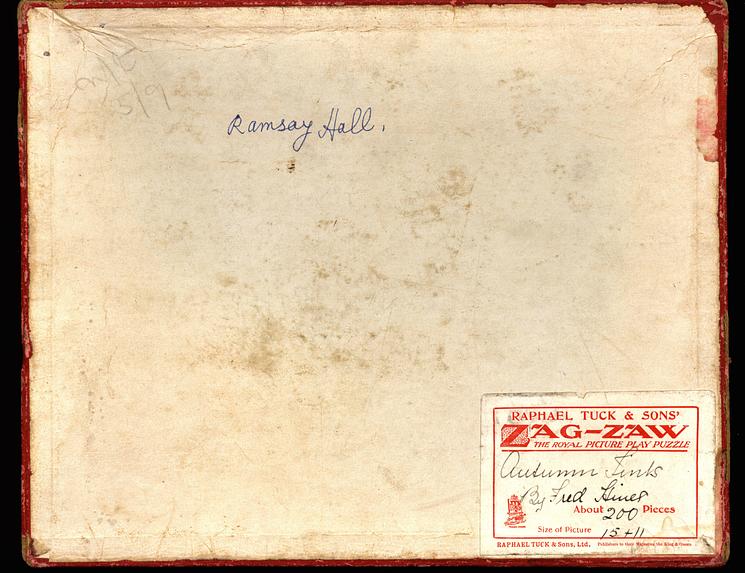
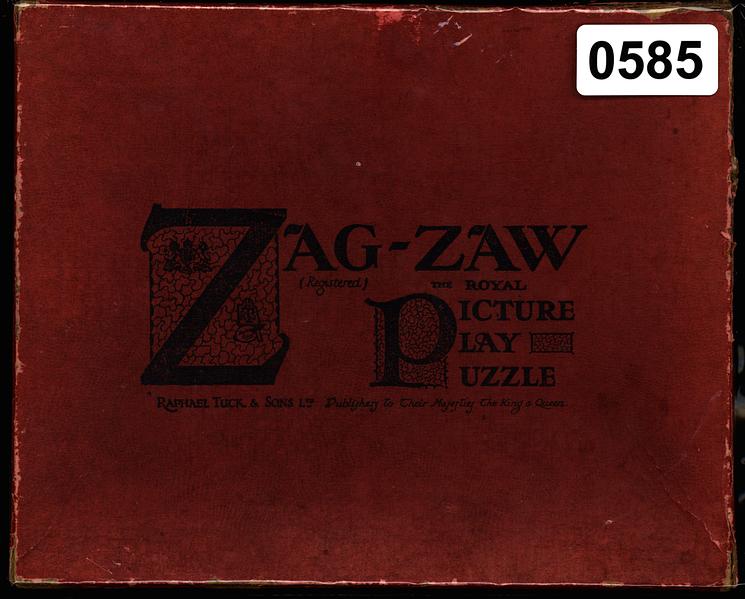
200 pieces, wooden, figurals, complete with box listed and described in the catalogs as number 228 and 0501
|
|
|
|
Zag-Zaw line of puzzles was first produced in 1909, most incorporate figurals or whimsies, sold in red, orange, or occasionally green boxes with labels on the side or bottom of the box, most without guide pictures. Initially cut non-interlocking but by 1930's became more so. Puzzles have a different cuts so that the same image will come in several versions which means that missing pieces can not be taken from other puzzles with the same image. The puzzle labels are often hand written and come with minor variations in titles and details. Some have a DESIGN category on the label. From my readings this refers to the style of cut, wavy lines, figurals, etc. See also Bob Armstrong's website on old jigsaw puzzles
|
FRED HINES
|
|
15 x 11 inch.
|
|
|
| |||
| 25425 |








|
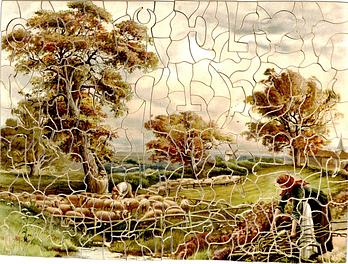
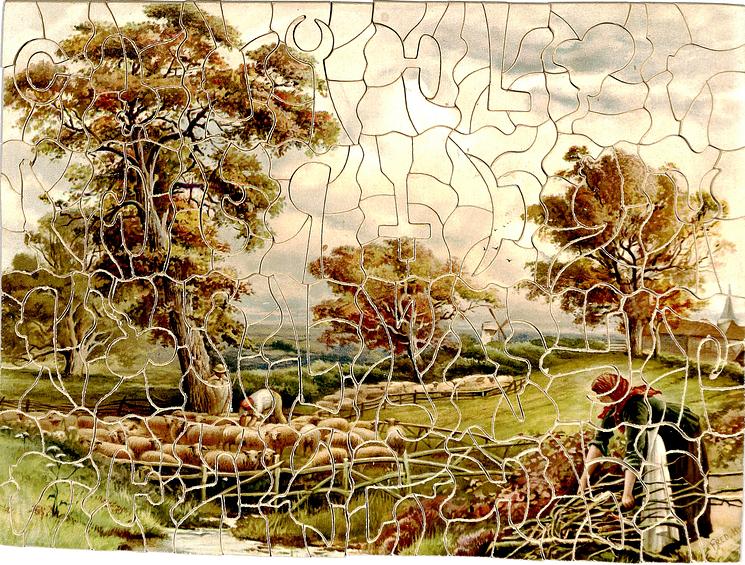
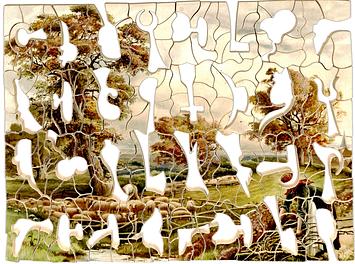
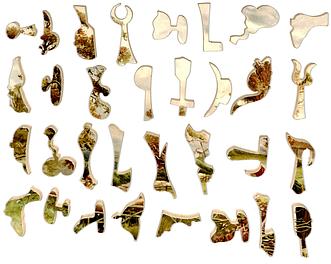
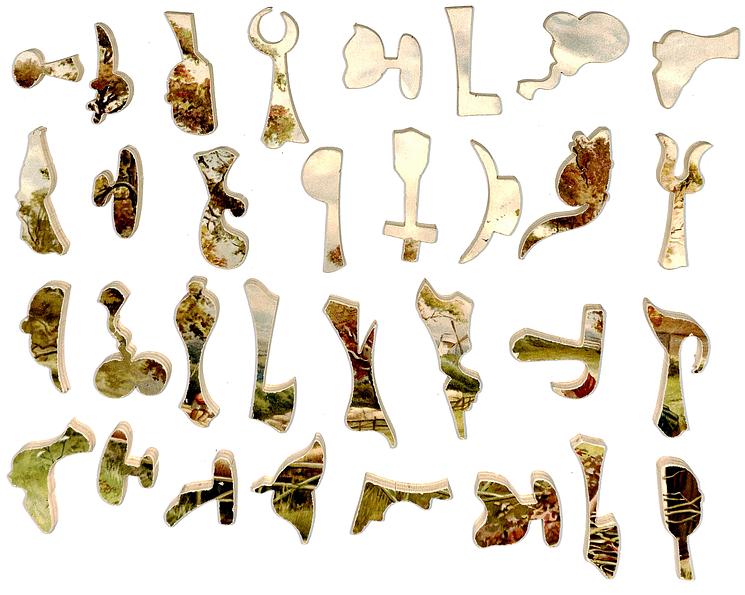
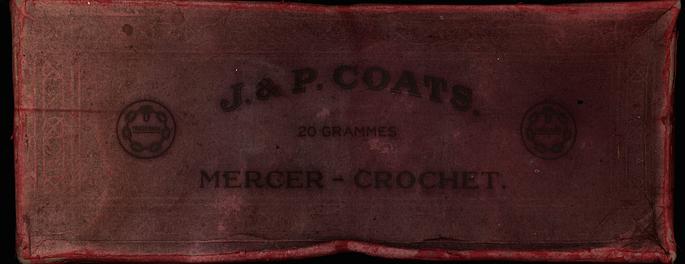
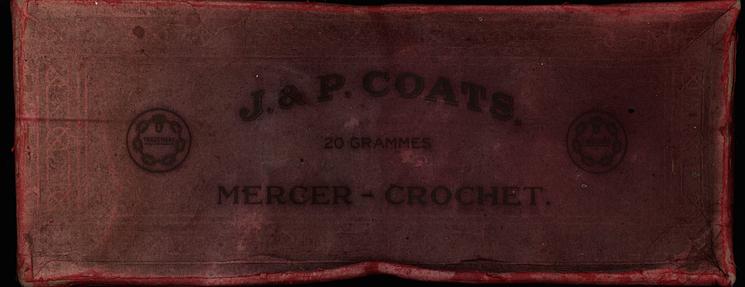
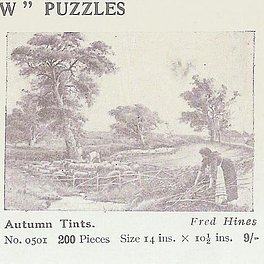
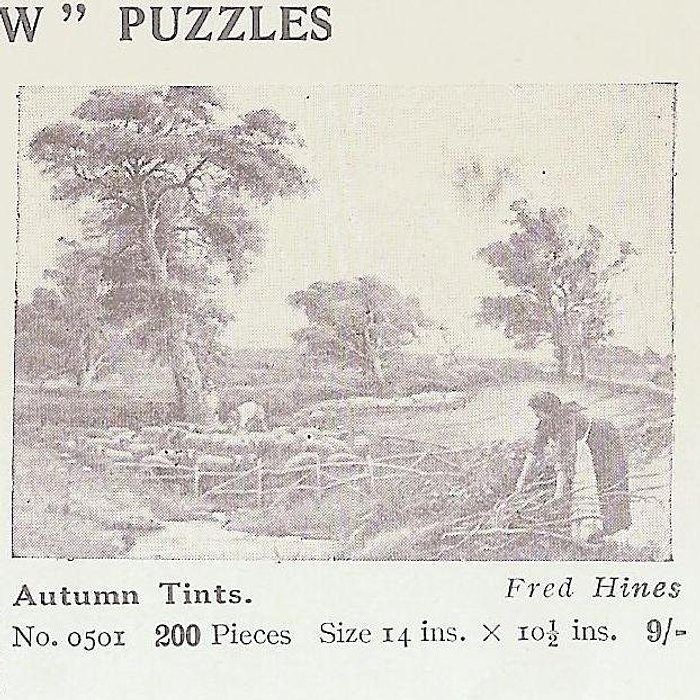
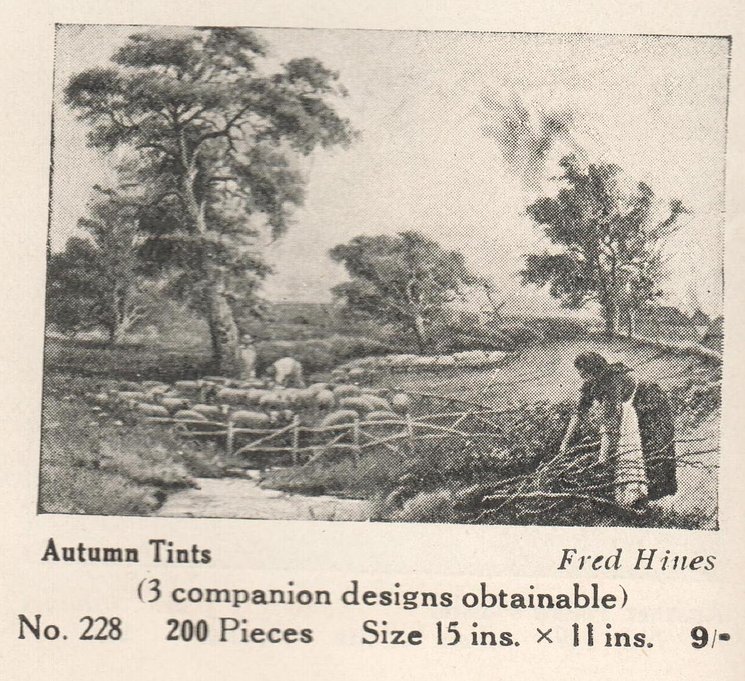
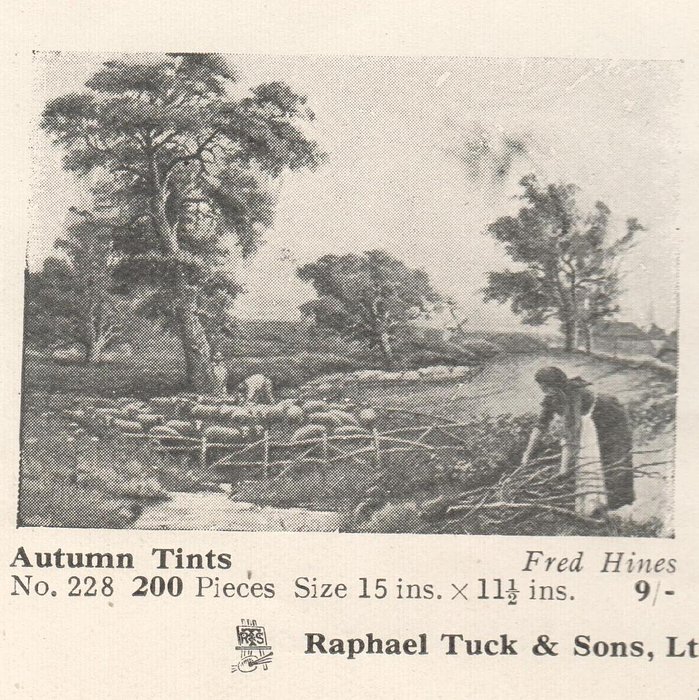
200 pieces, wooden, figurals, complete, no Tuck box, title from another puzzle with the same image as this puzzle came in a J. P. Coats sewing box, listed and described in the catalogs as number 228 and 0501
|
|
|
|
Zag-Zaw line of puzzles was first produced in 1909, most incorporate figurals or whimsies, sold in red, orange, or occasionally green boxes with labels on the side or bottom of the box, most without guide pictures. Initially cut non-interlocking but by 1930's became more so. Puzzles have a different cuts so that the same image will come in several versions which means that missing pieces can not be taken from other puzzles with the same image. The puzzle labels are often hand written and come with minor variations in titles and details. Some have a DESIGN category on the label. From my readings this refers to the style of cut, wavy lines, figurals, etc. See also Bob Armstrong's website on old jigsaw puzzles
|
FRED HINES
|
|
14 1/2 x 10 3/4 in.
|
|
| ||||
| 25426 |








|
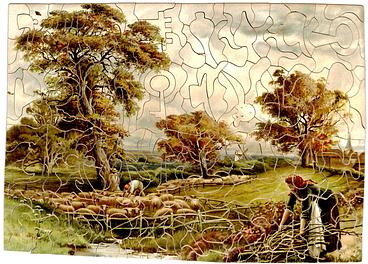
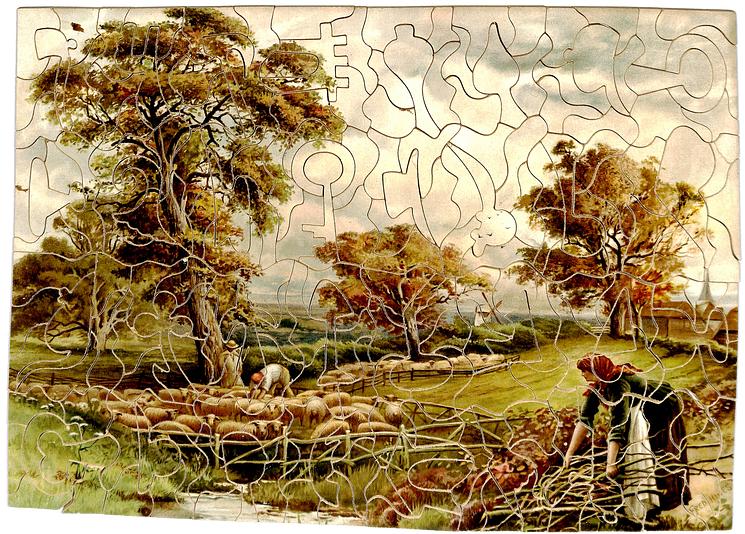
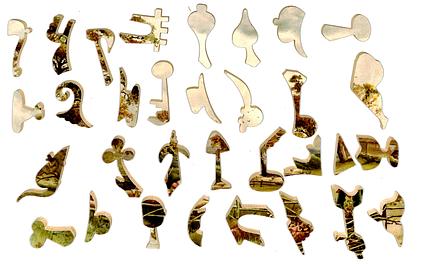
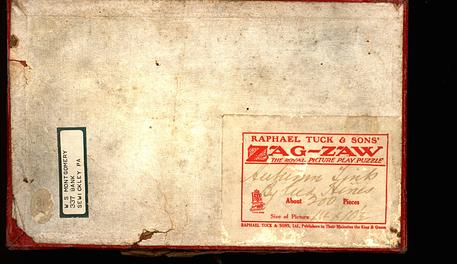
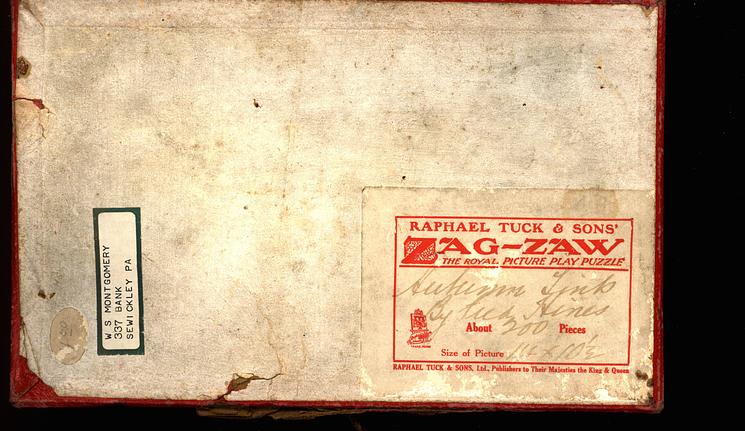
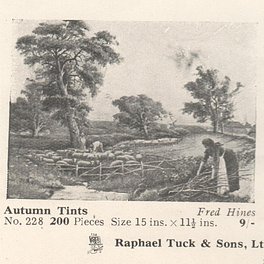
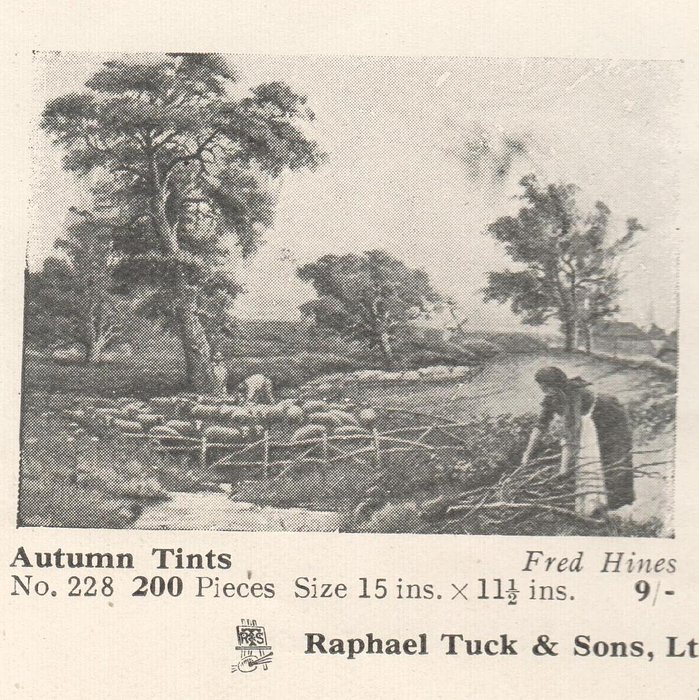
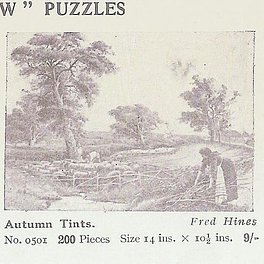
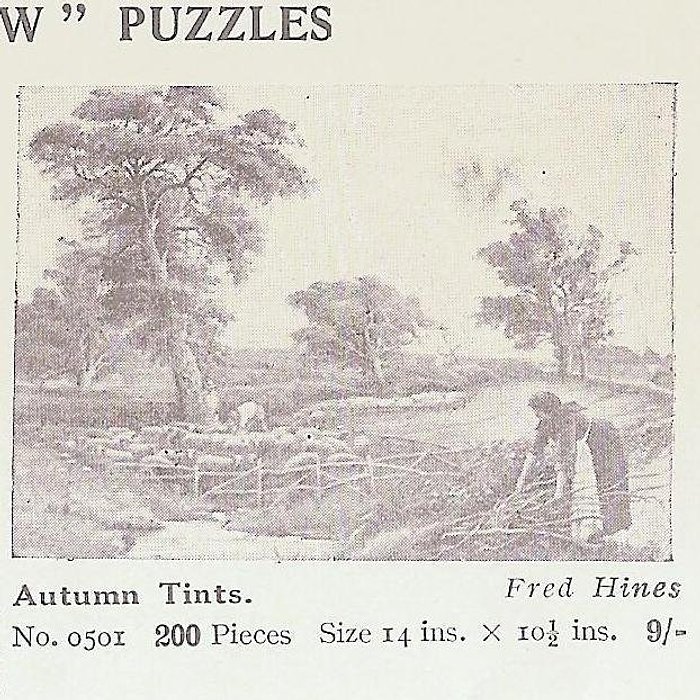
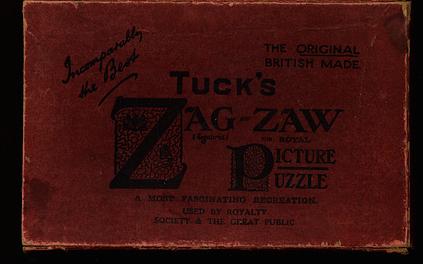
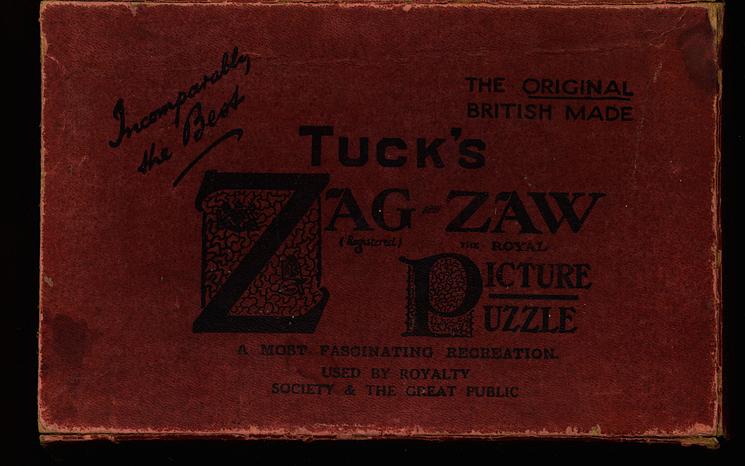
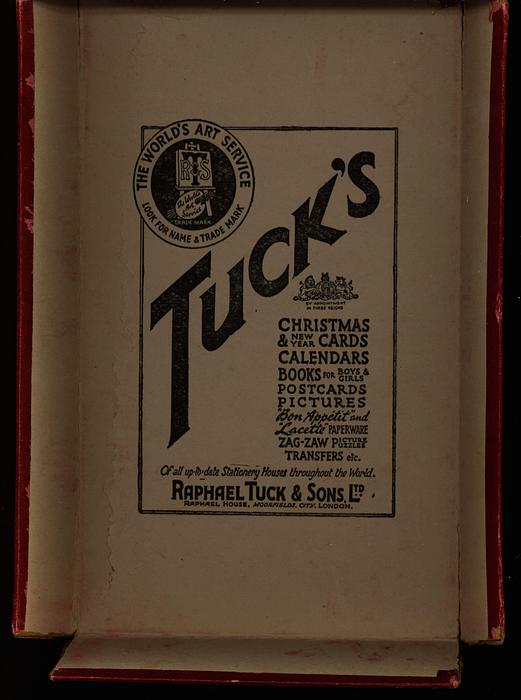
about 200 pieces, wooden, figurals, complete with box, push fit style, listed and described in the catalogs as number 228 and 0501
|
|
|
|
Zag-Zaw line of puzzles was first produced in 1909, most incorporate figurals or whimsies, sold in red, orange, or occasionally green boxes with labels on the side or bottom of the box, most without guide pictures. Initially cut non-interlocking but by 1930's became more so. Puzzles have a different cuts so that the same image will come in several versions which means that missing pieces can not be taken from other puzzles with the same image. The puzzle labels are often hand written and come with minor variations in titles and details. Some have a DESIGN category on the label. From my readings this refers to the style of cut, wavy lines, figurals, etc. See also Bob Armstrong's website on old jigsaw puzzles
|
FRED HINES
|
|
15 x 10 3/4 inches
|
|
|
| |||
| 25427 |

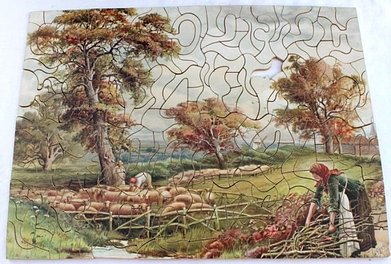


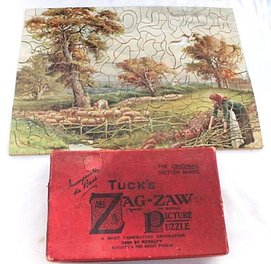


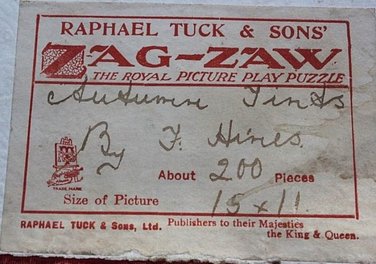



|
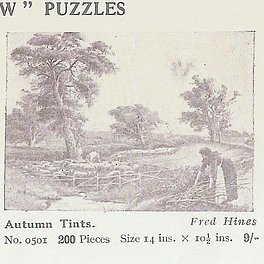
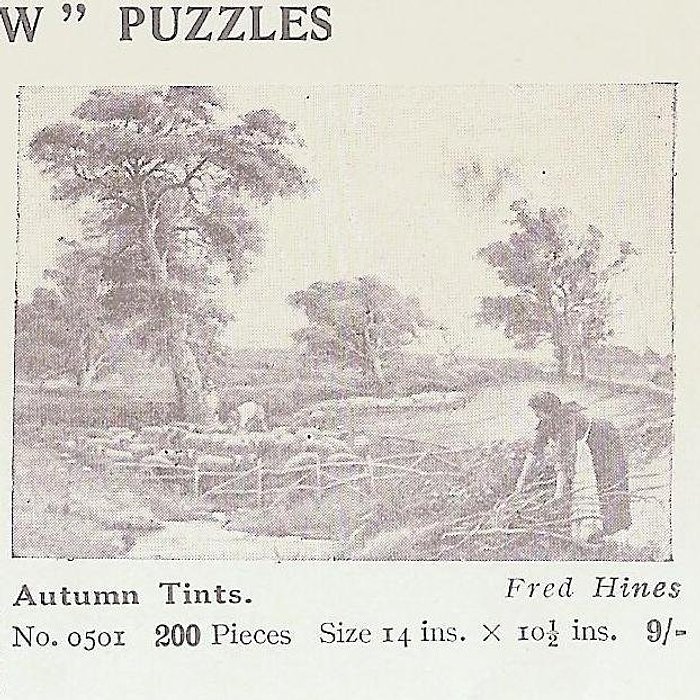
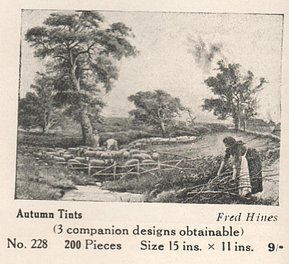
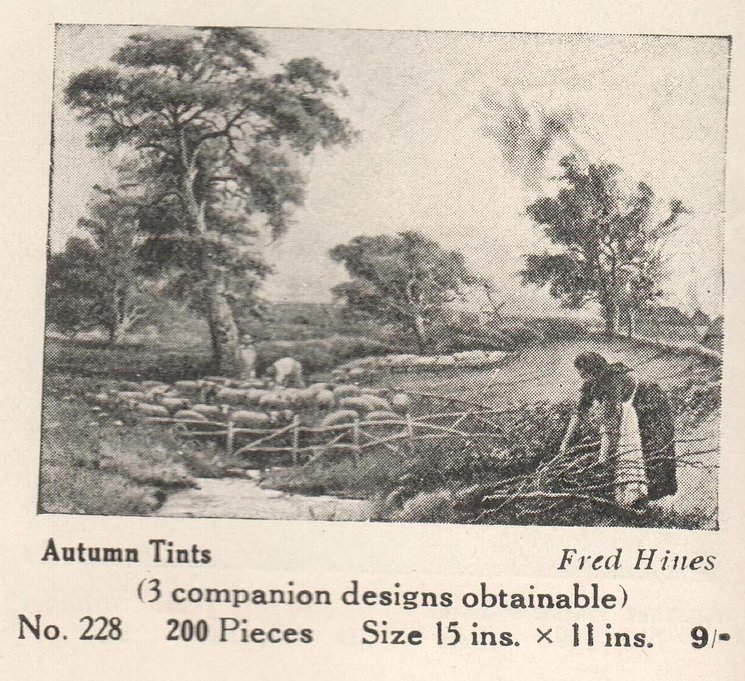
200 pieces, wooden, figurals, missing one piece, push fit style, listed and described in the catalogs as number 228 and 0501
|
|
|
|
Zag-Zaw line of puzzles was first produced in 1909, most incorporate figurals or whimsies, sold in red, orange, or occasionally green boxes with labels on the side or bottom of the box, most without guide pictures. Initially cut non-interlocking but by 1930's became more so. Puzzles have a different cuts so that the same image will come in several versions which means that missing pieces can not be taken from other puzzles with the same image. The puzzle labels are often hand written and come with minor variations in titles and details. Some have a DESIGN category on the label. From my readings this refers to the style of cut, wavy lines, figurals, etc. See also Bob Armstrong's website on old jigsaw puzzles
|
F. HINES
|
|
15 x 11 in.
|
|
|
| |||
| 25428 |










|
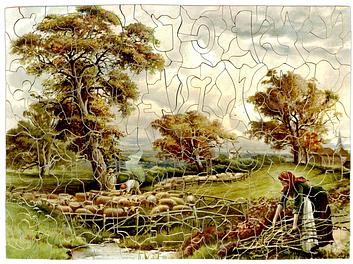
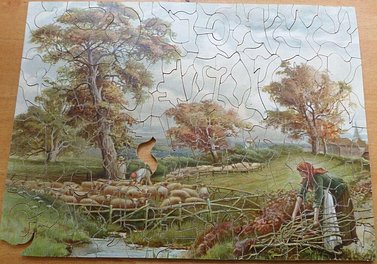
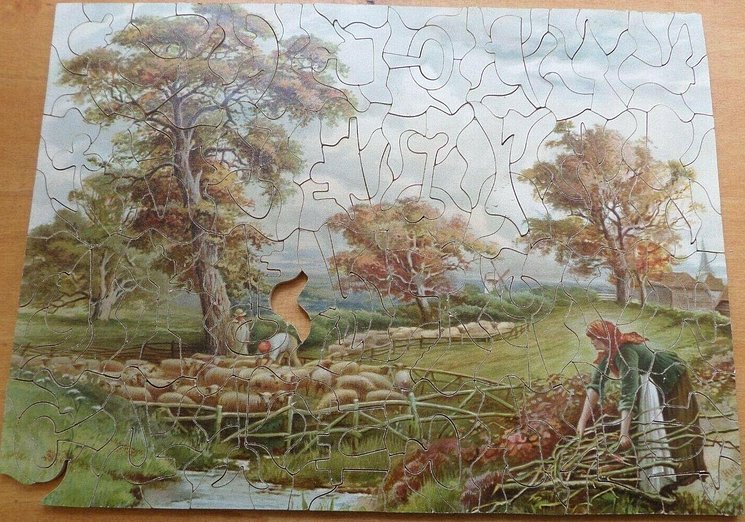
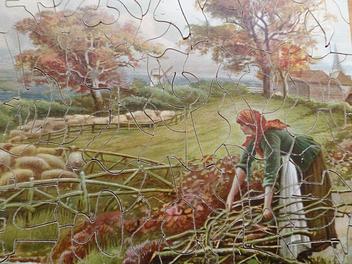
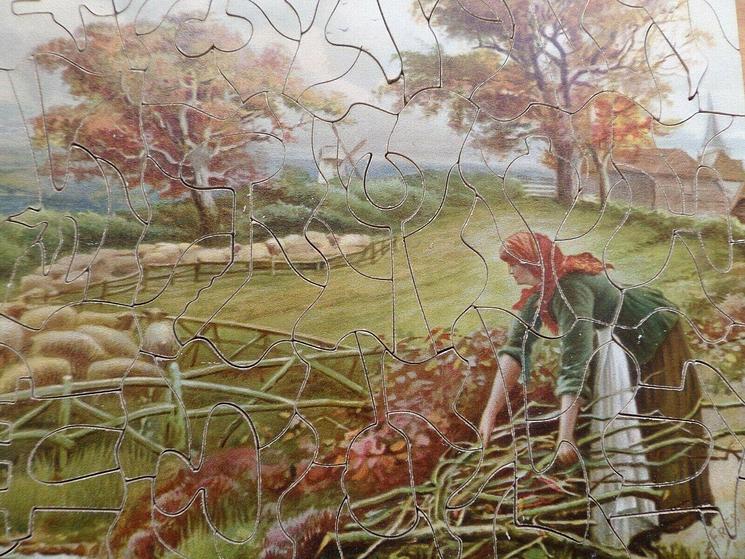
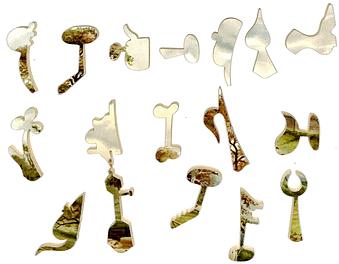
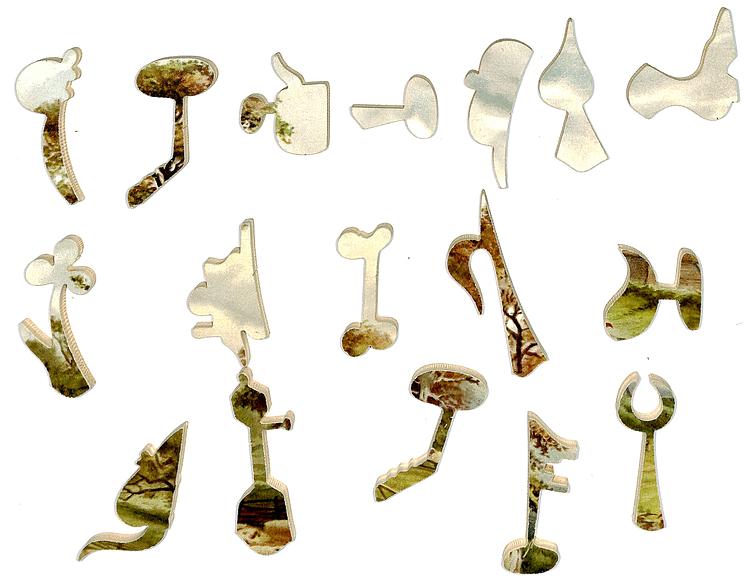
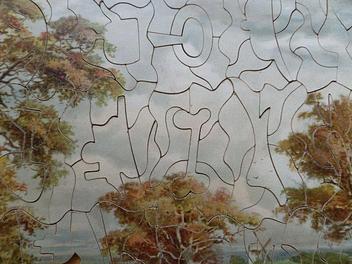
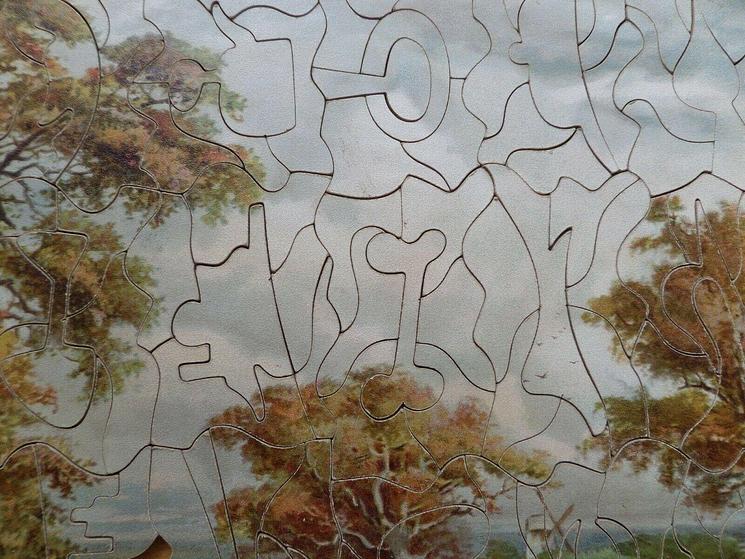
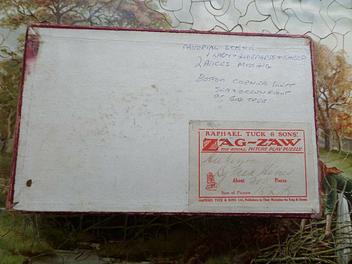
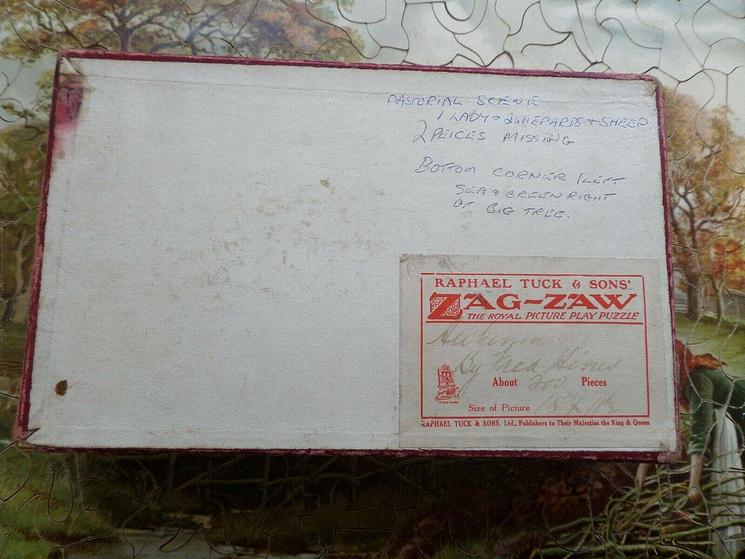
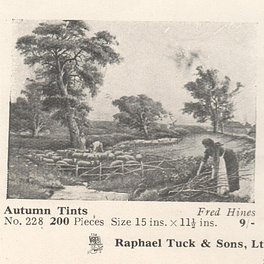
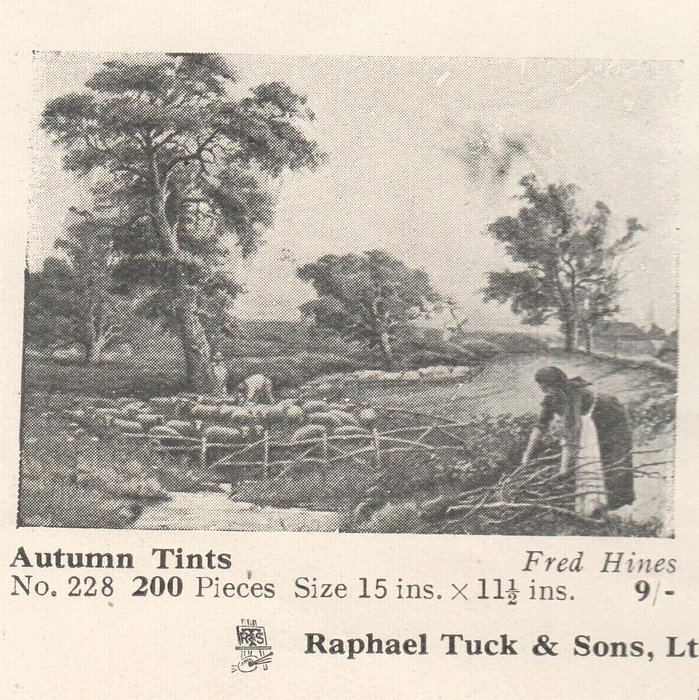
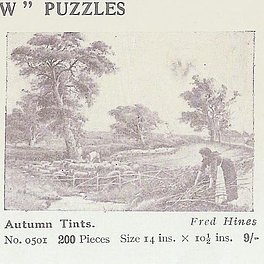
200 pieces, wooden, figurals, complete with two replacement pieces, with box, listed and described in the catalogs as number 228 and 0501
|
|
|
|
Zag-Zaw line of puzzles was first produced in 1909, most incorporate figurals or whimsies, sold in red, orange, or occasionally green boxes with labels on the side or bottom of the box, most without guide pictures. Initially cut non-interlocking but by 1930's became more so. Puzzles have a different cuts so that the same image will come in several versions which means that missing pieces can not be taken from other puzzles with the same image. The puzzle labels are often hand written and come with minor variations in titles and details. Some have a DESIGN category on the label. From my readings this refers to the style of cut, wavy lines, figurals, etc. See also Bob Armstrong's website on old jigsaw puzzles
|
FRED HINES
|
|
15 x 11 1/2 in.
|
|
|
| |||
| 25429 |


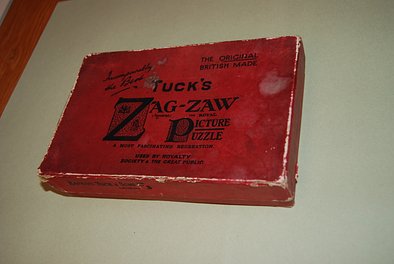
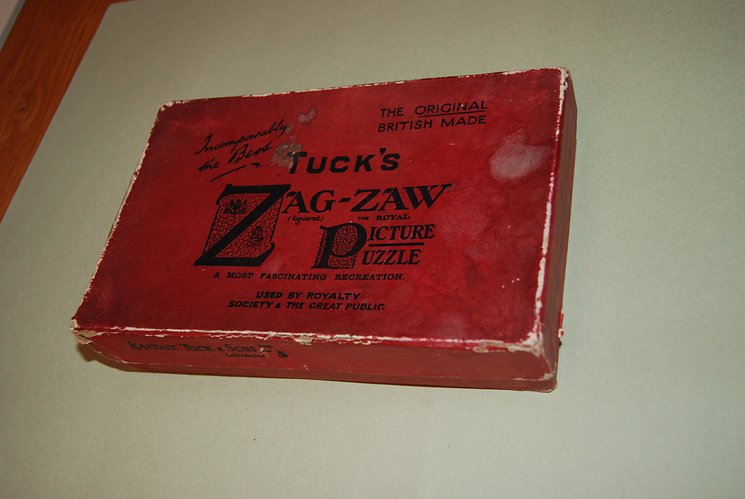

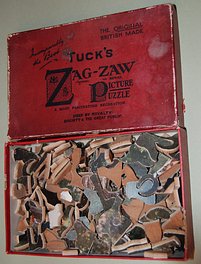


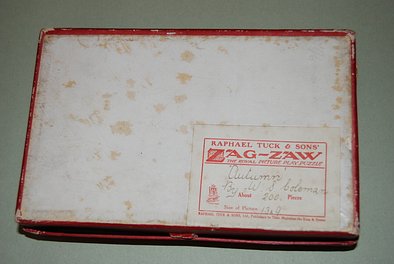
|
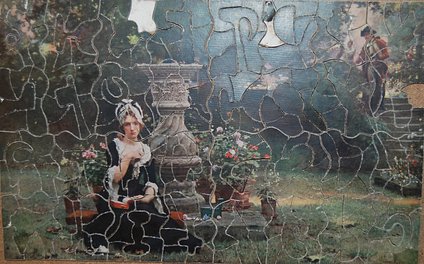
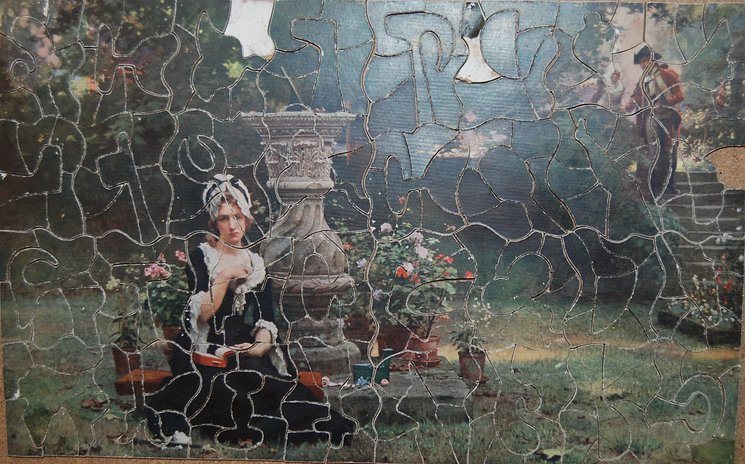
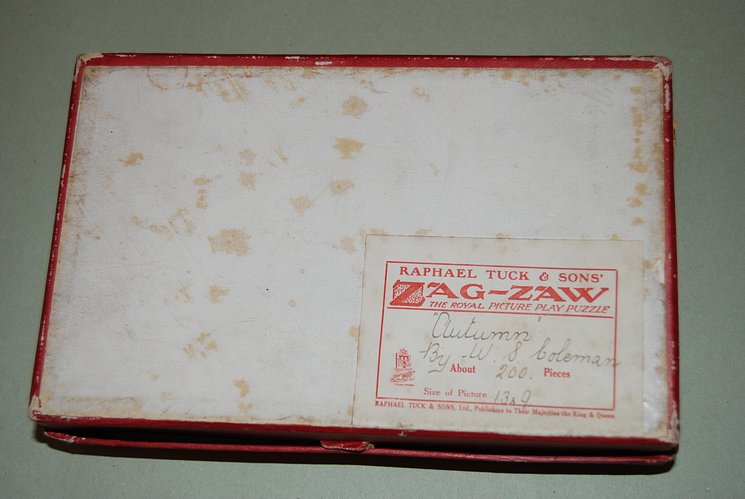
200 pieces, including 32 whimsies. Cut in wood in a pushfit style. one piece missing and one with some paper missing, boxed and labelled.
Puzzle information and photos from his collection posted by Grenville Oliver.
|
|
|
|
Zag-Zaw line of puzzles was first produced in 1909, most incorporate figurals or whimsies, sold in red, orange, or occasionally green boxes with labels on the side or bottom of the box, most without guide pictures. Initially cut non-interlocking but by 1930's became more so. Puzzles have a different cuts so that the same image will come in several versions which means that missing pieces can not be taken from other puzzles with the same image. The puzzle labels are often hand written and come with minor variations in titles and details. Some have a DESIGN category on the label. From my readings this refers to the style of cut, wavy lines, figurals, etc. See also Bob Armstrong's website on old jigsaw puzzles
|
W S Coleman
|
|
13" x 9"
|
|
|
| |||
| 25430 |





|
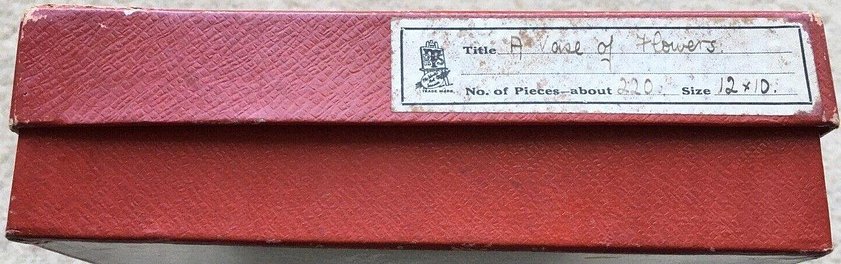
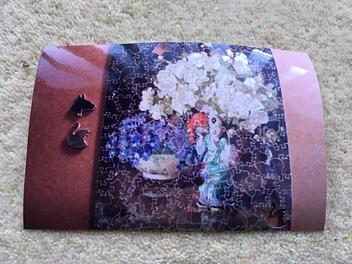
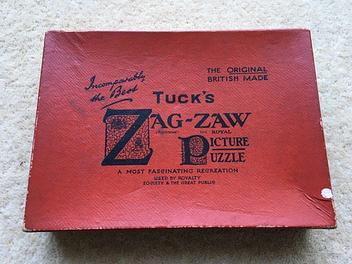
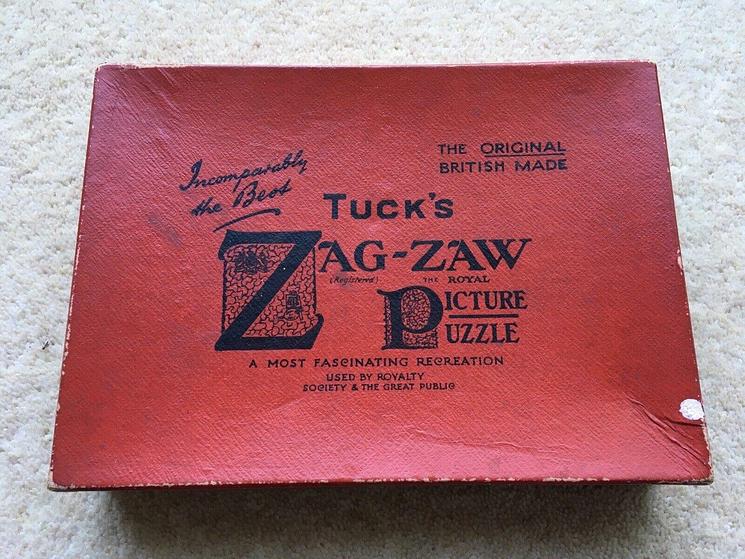
220 pieces, wooden, figurals, with box, interlocking style
|
|
|
|
Zag-Zaw line of puzzles was first produced in 1909, most incorporate figurals or whimsies, sold in red, orange, or occasionally green boxes with labels on the side or bottom of the box, most without guide pictures. Initially cut non-interlocking but by 1930's became more so. Puzzles have a different cuts so that the same image will come in several versions which means that missing pieces can not be taken from other puzzles with the same image. The puzzle labels are often hand written and come with minor variations in titles and details. Some have a DESIGN category on the label. From my readings this refers to the style of cut, wavy lines, figurals, etc. See also Bob Armstrong's website on old jigsaw puzzles
|
|
|
12 x 10 in.
|
|
|
| |||
| 25431 |






|
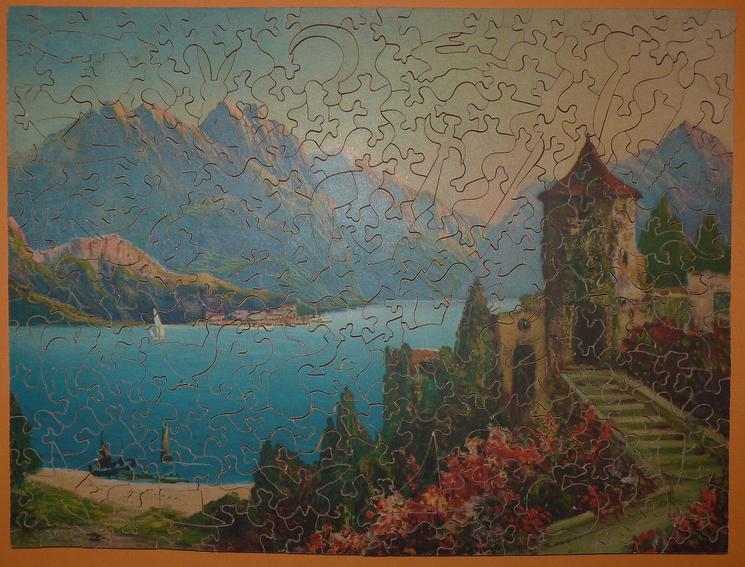
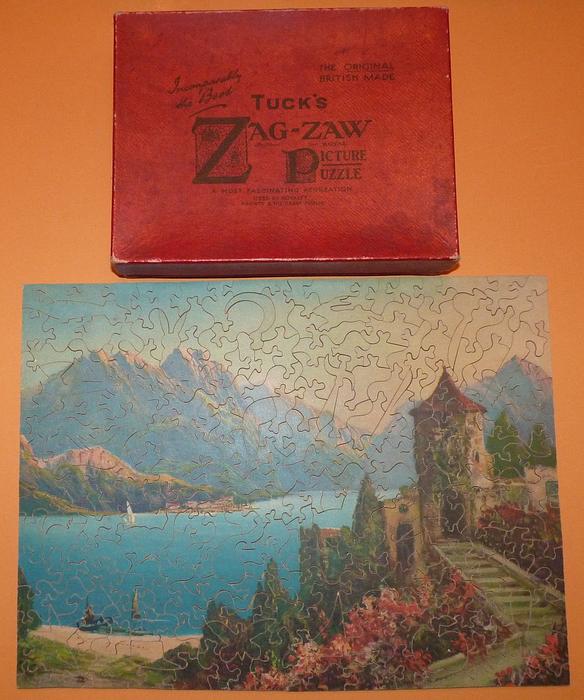
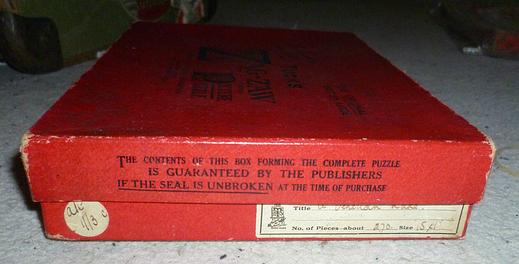
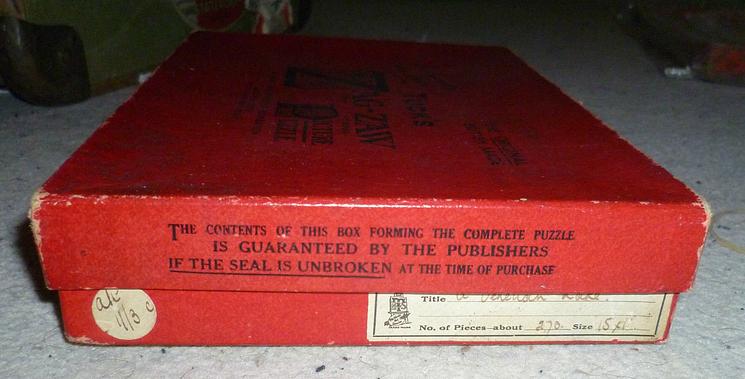
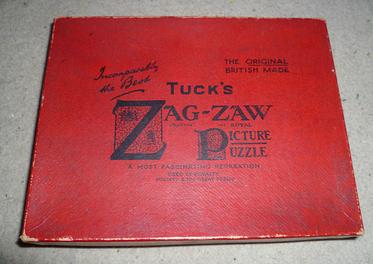
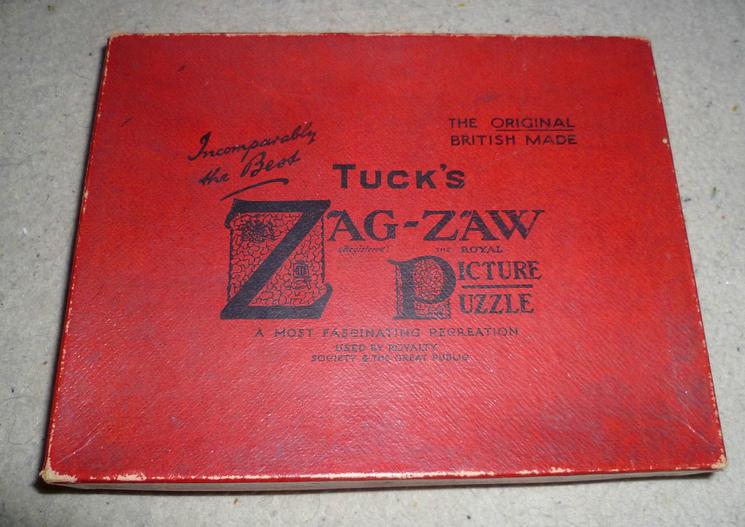
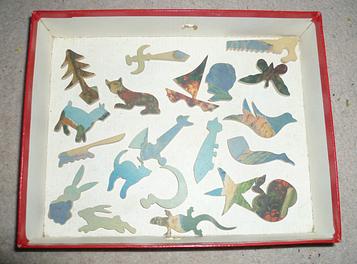
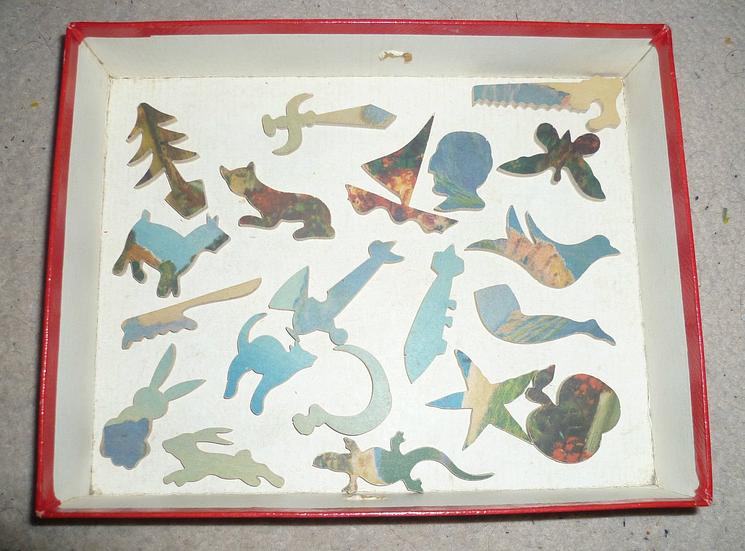
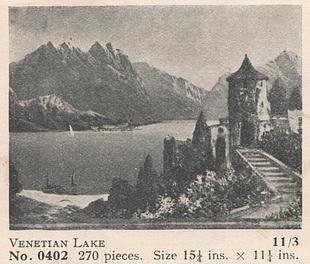
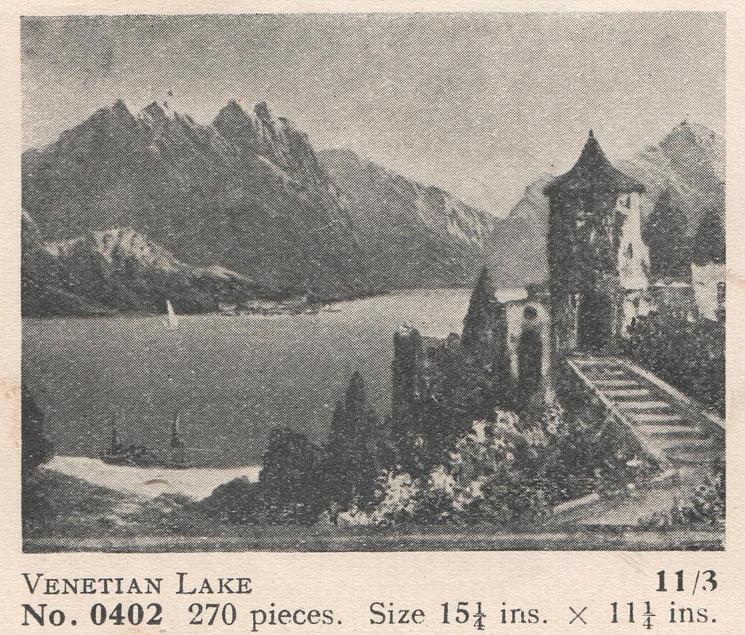
270 pieces, wooden, interlocking style, listed and described in the catalogs titled VENETIAN LAKE and as number 0402, also comes titled as BY LAKE AND MOUNTAIN
|
|
|
|
Zag-Zaw line of puzzles was first produced in 1909, most incorporate figurals or whimsies, sold in red, orange, or occasionally green boxes with labels on the side or bottom of the box, most without guide pictures. Initially cut non-interlocking but by 1930's became more so. Puzzles have a different cuts so that the same image will come in several versions which means that missing pieces can not be taken from other puzzles with the same image. The puzzle labels are often hand written and come with minor variations in titles and details. Some have a DESIGN category on the label. From my readings this refers to the style of cut, wavy lines, figurals, etc. See also Bob Armstrong's website on old jigsaw puzzles
|
|
|
15 x 11 in.
|
|
|
| |||
| 25432 |










|
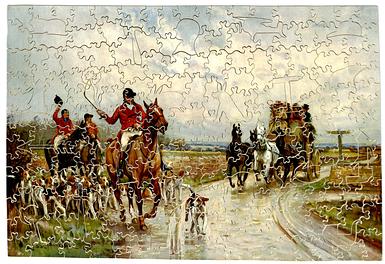
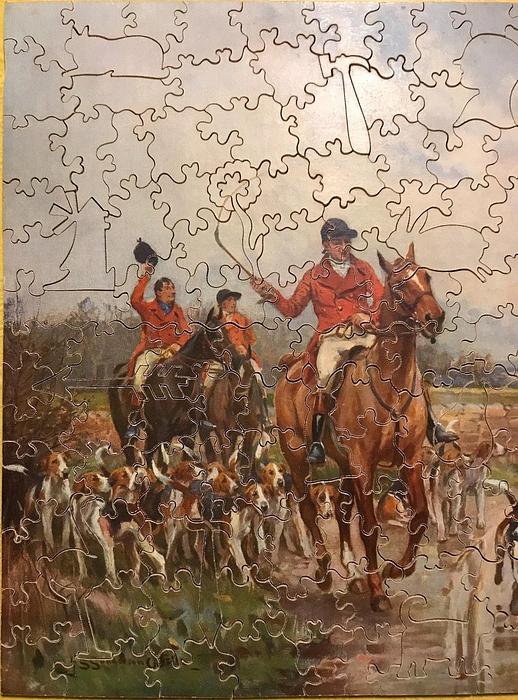
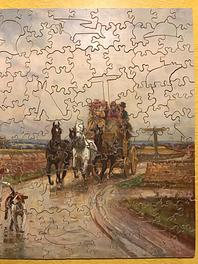
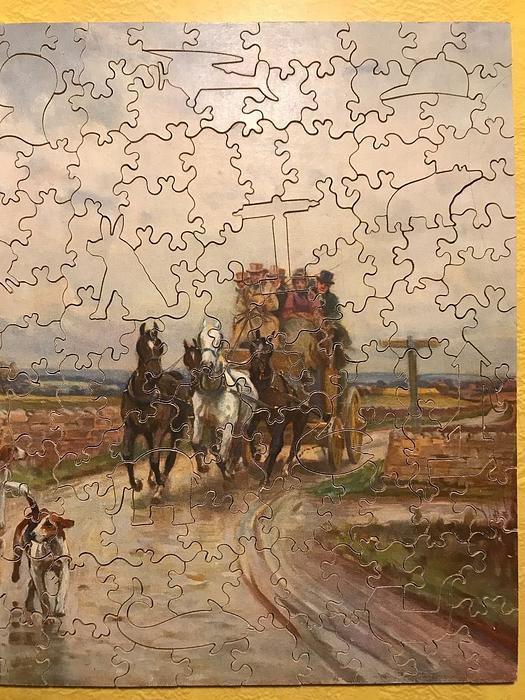
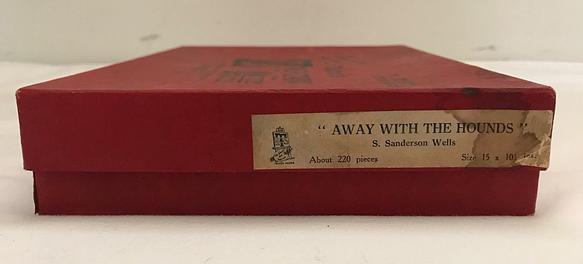
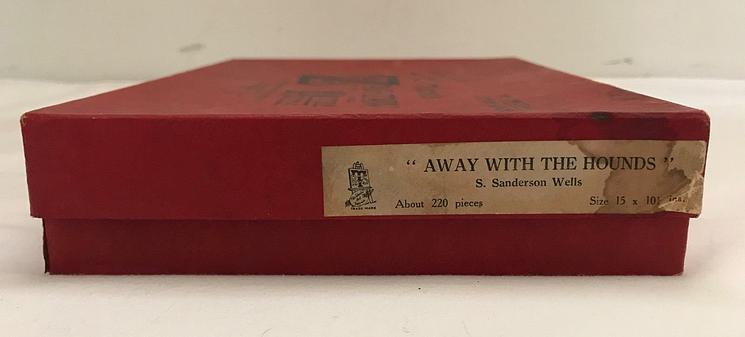
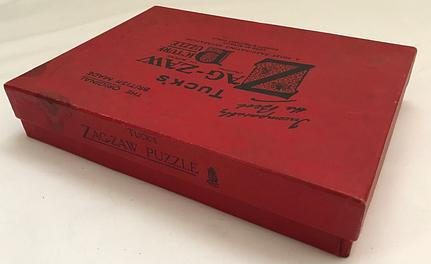
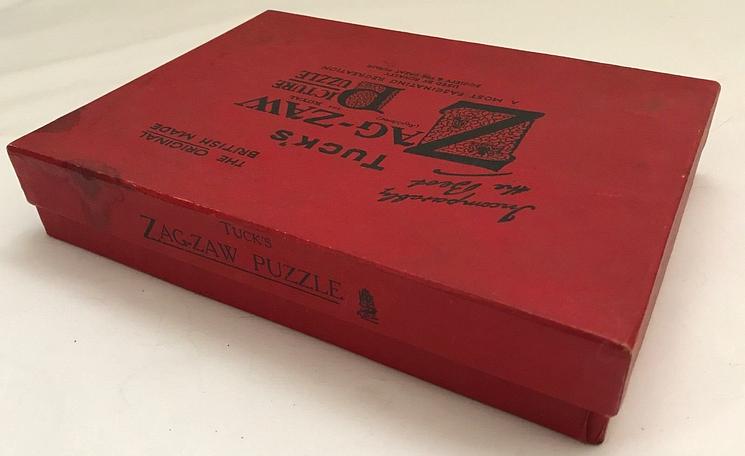
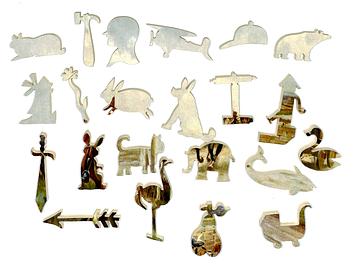
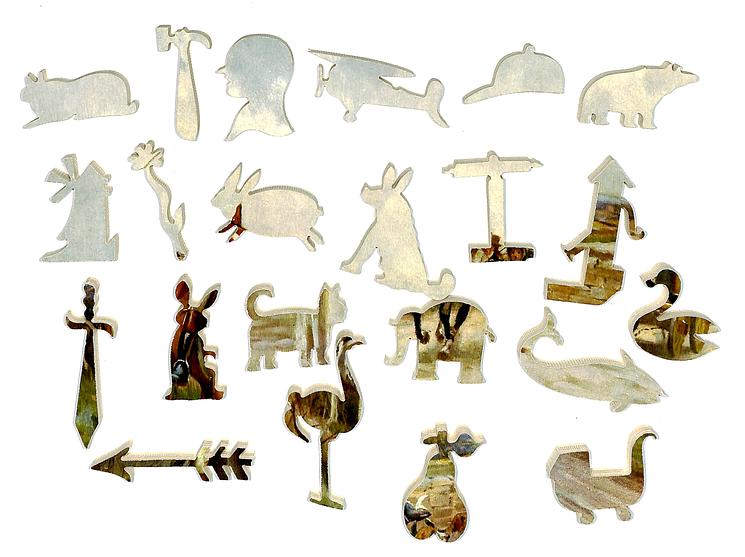
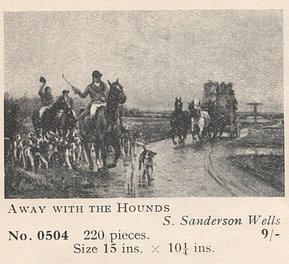
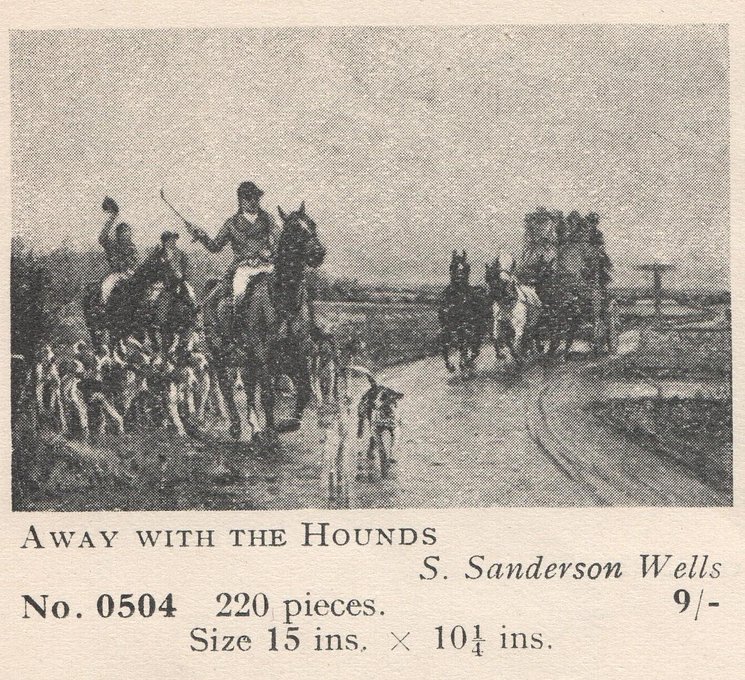
about 220 pieces, wooden, figurals, complete with box, interlocking style, listed and described in the catalogs as number 0504
|
|
|
|
Zag-Zaw line of puzzles was first produced in 1909, most incorporate figurals or whimsies, sold in red, orange, or occasionally green boxes with labels on the side or bottom of the box, most without guide pictures. Initially cut non-interlocking but by 1930's became more so. Puzzles have a different cuts so that the same image will come in several versions which means that missing pieces can not be taken from other puzzles with the same image. The puzzle labels are often hand written and come with minor variations in titles and details. Some have a DESIGN category on the label. From my readings this refers to the style of cut, wavy lines, figurals, etc. See also Bob Armstrong's website on old jigsaw puzzles
|
S. SANDERSON WELLS
|
|
15 x 10 1/2 in.
|
|
| ||||
| 25433 |








|
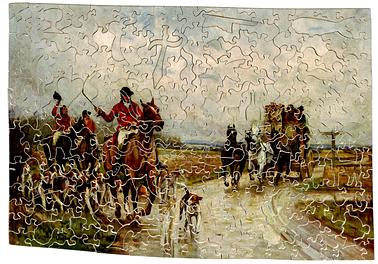
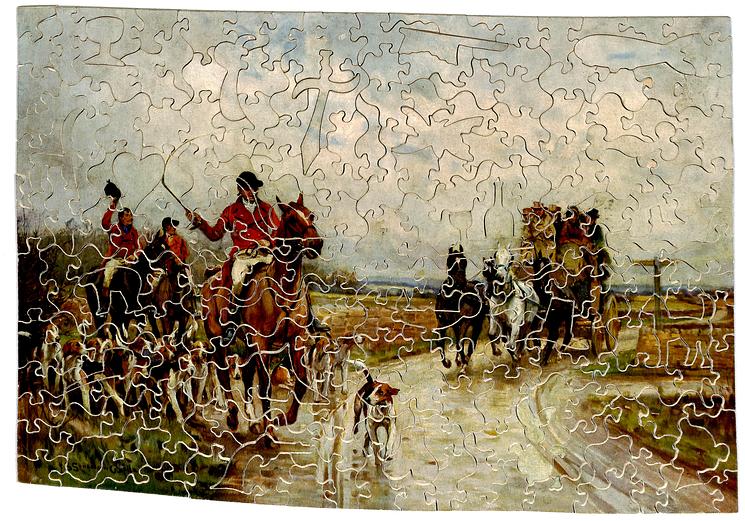
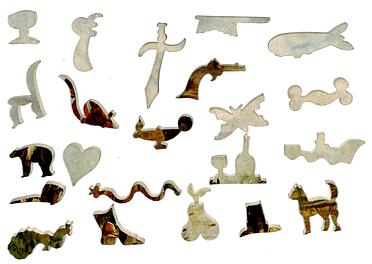
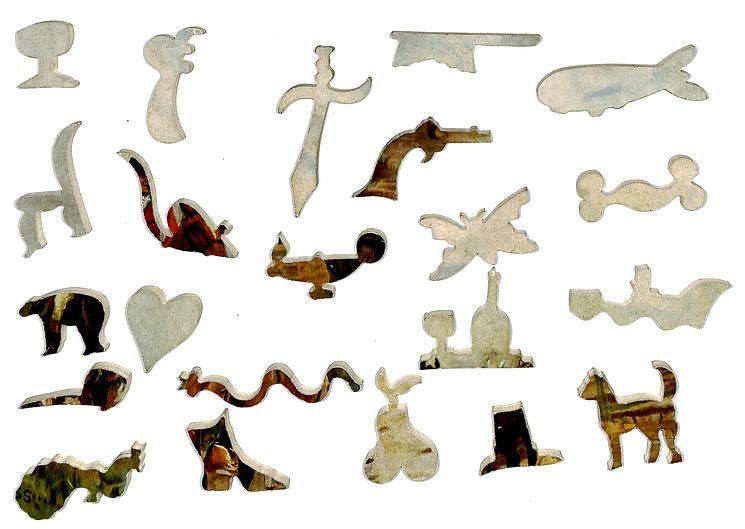
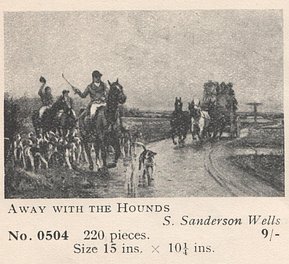
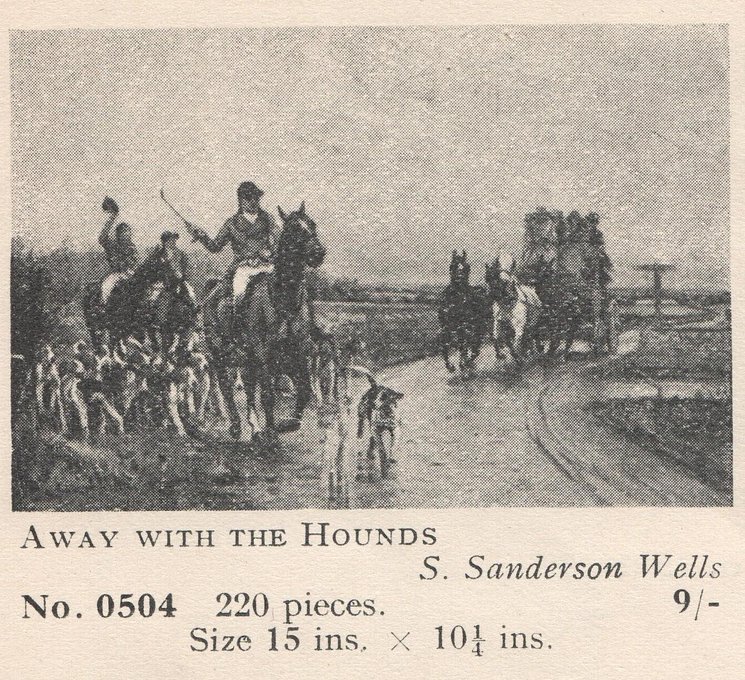
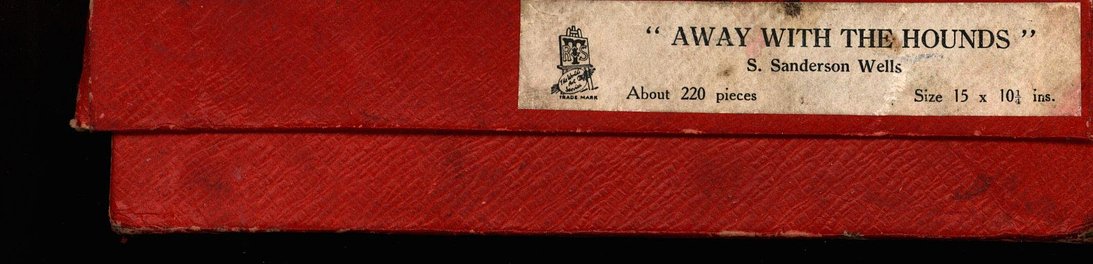
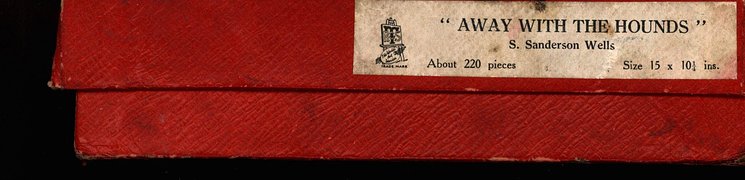
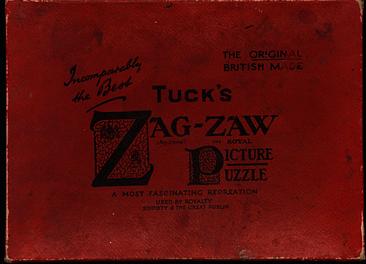
about 220 pieces, wooden, figurals, complete with box, one replacement piece and two pieced missing colour paper on nib, interlocking style, listed and described in the catalogs as number 0504
|
|
|
|
Zag-Zaw line of puzzles was first produced in 1909, most incorporate figurals or whimsies, sold in red, orange, or occasionally green boxes with labels on the side or bottom of the box, most without guide pictures. Initially cut non-interlocking but by 1930's became more so. Puzzles have a different cuts so that the same image will come in several versions which means that missing pieces can not be taken from other puzzles with the same image. The puzzle labels are often hand written and come with minor variations in titles and details. Some have a DESIGN category on the label. From my readings this refers to the style of cut, wavy lines, figurals, etc. See also Bob Armstrong's website on old jigsaw puzzles
|
S. SANDERSON WELLS
|
|
15 x 10 1/2 in.
|
|
|
| |||
| 25434 |








|
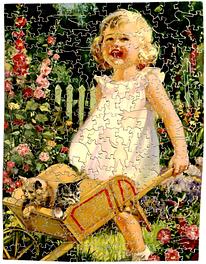
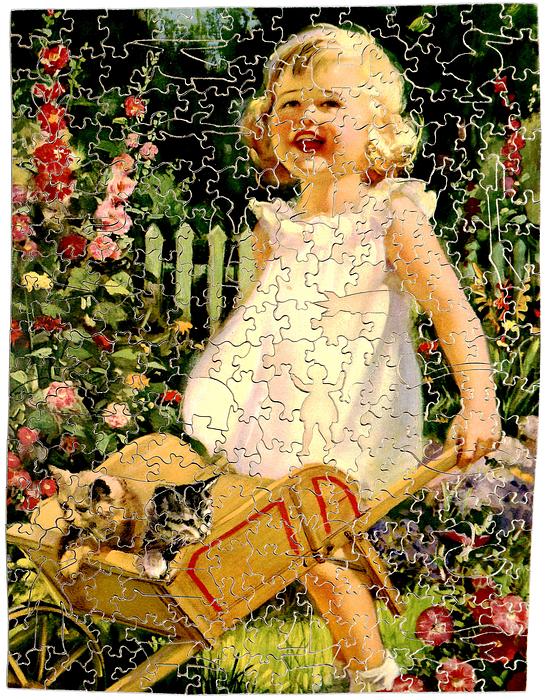
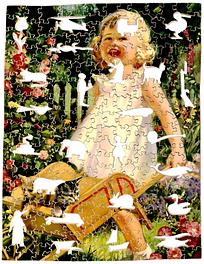
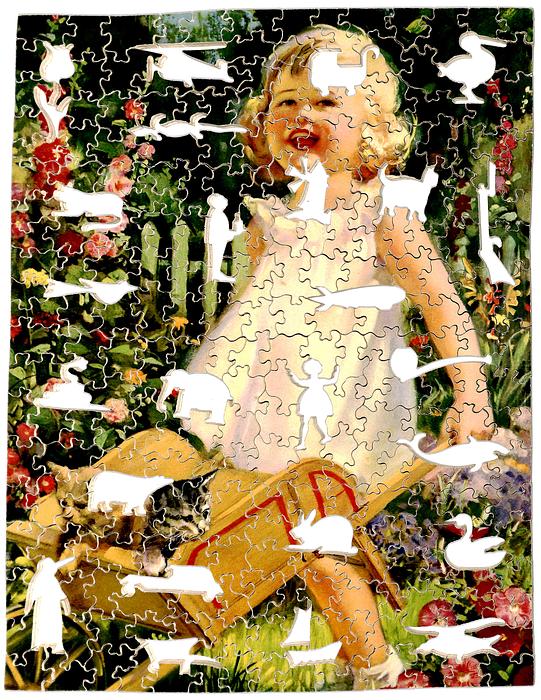
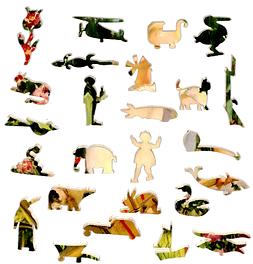
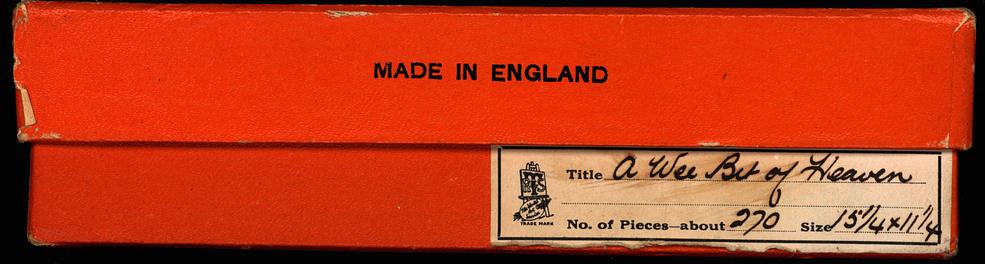
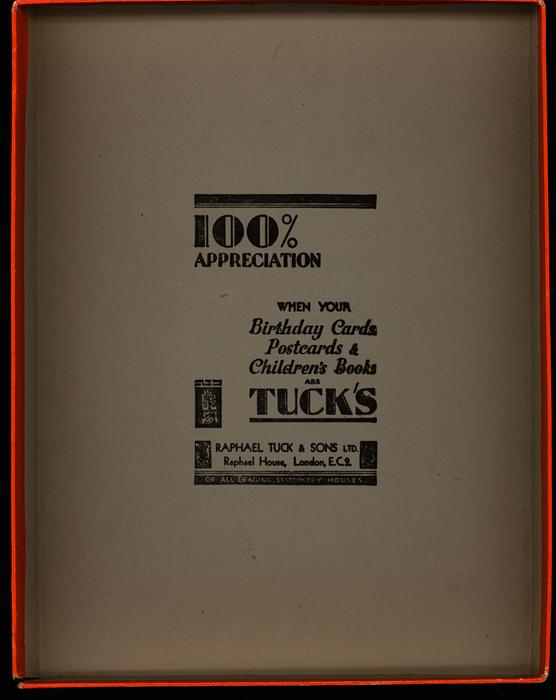
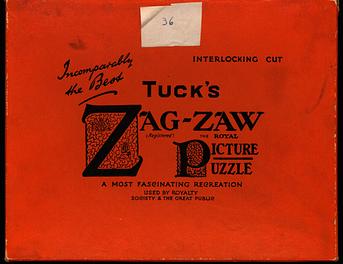
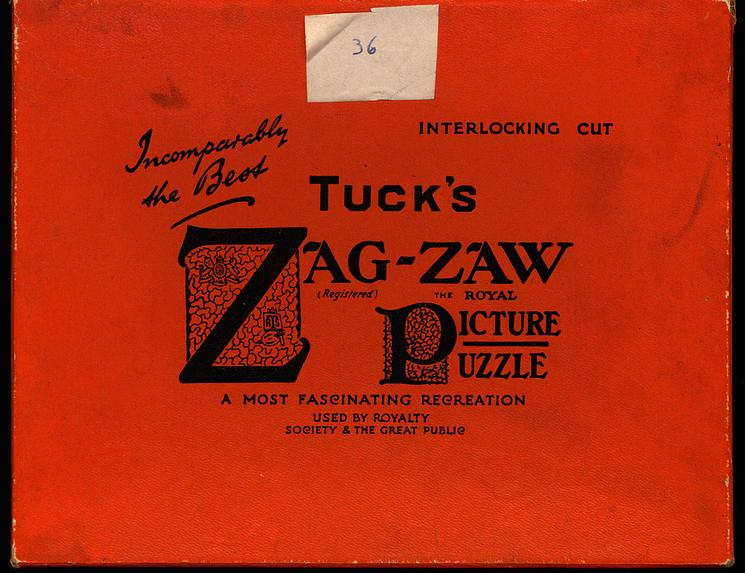
about 270 pieces, wooden, 26 figurals, complete with one missing nib, one piece broken but glued, boxed, interlocking style
|
|
|
|
Zag-Zaw line of puzzles was first produced in 1909, most incorporate figurals or whimsies, sold in red, orange, or occasionally green boxes with labels on the side or bottom of the box, most without guide pictures. Initially cut non-interlocking but by 1930's became more so. Puzzles have a different cuts so that the same image will come in several versions which means that missing pieces can not be taken from other puzzles with the same image. The puzzle labels are often hand written and come with minor variations in titles and details. Some have a DESIGN category on the label. From my readings this refers to the style of cut, wavy lines, figurals, etc. See also Bob Armstrong's website on old jigsaw puzzles
|
|
|
11 x 14 1/2 in.
|
|
|
| |||
| 25435 |






|
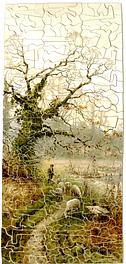
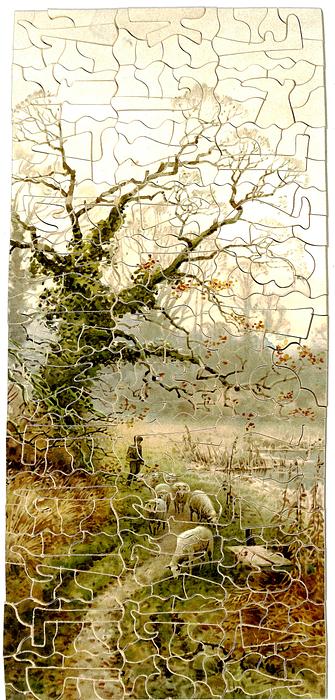
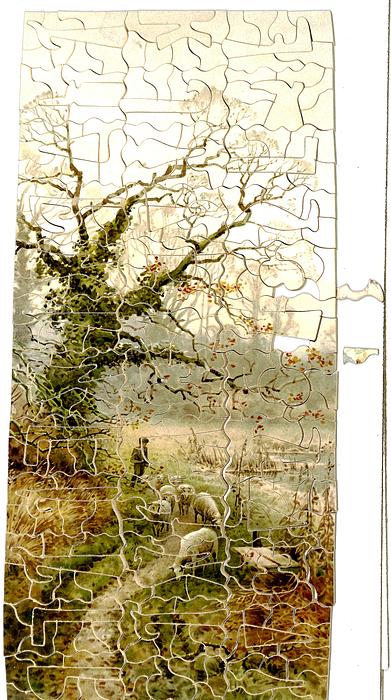
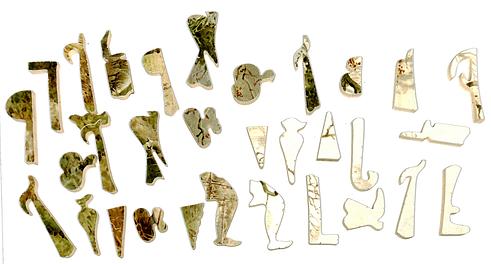
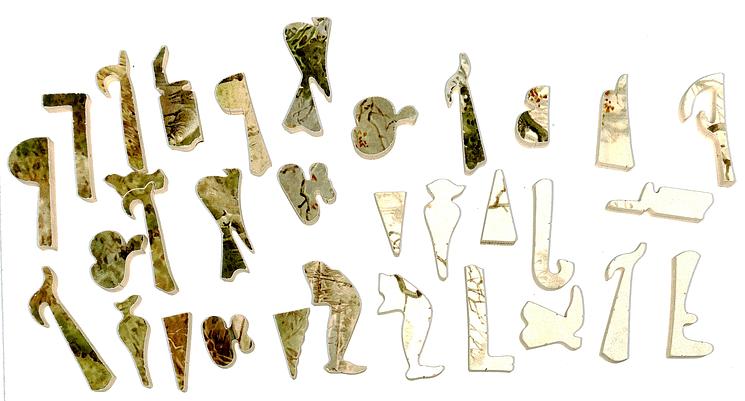
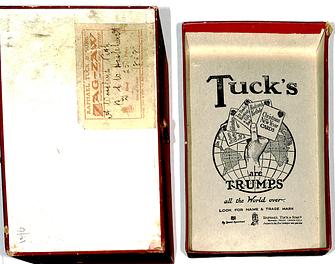
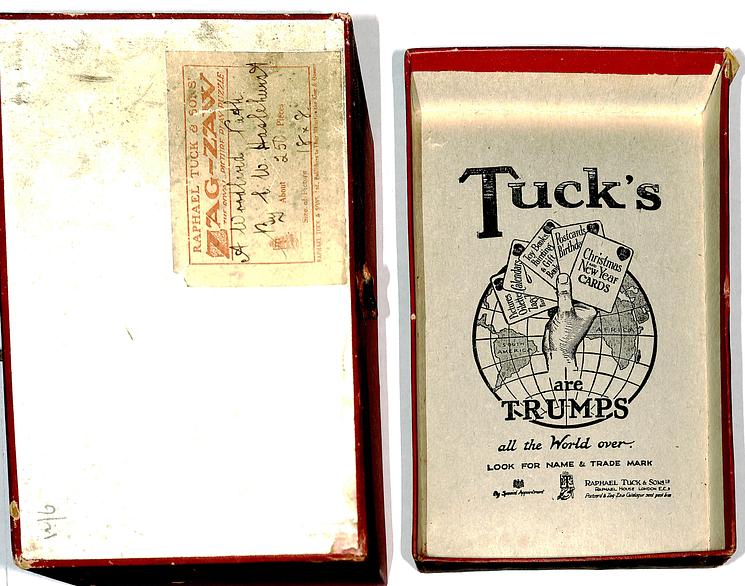
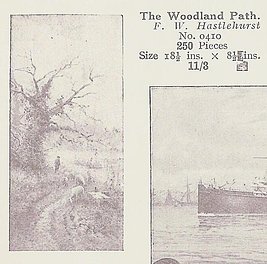
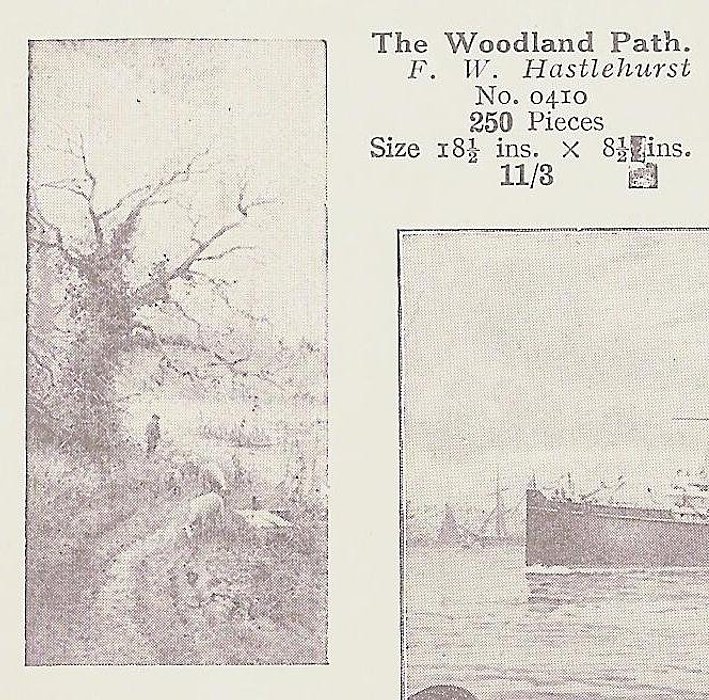
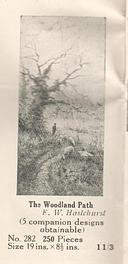
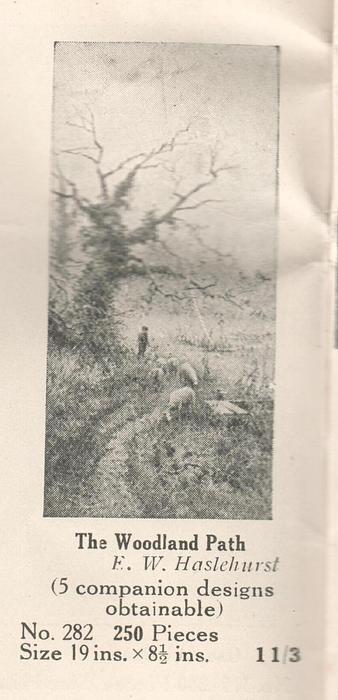
about 250 pieces, wooden, figurals, complete with two replacement pieces, with box, push fit style, listed and described in the catalogs as number 282 and 410
|
|
|
|
Zag-Zaw line of puzzles was first produced in 1909, most incorporate figurals or whimsies, sold in red, orange, or occasionally green boxes with labels on the side or bottom of the box, most without guide pictures. Initially cut non-interlocking but by 1930's became more so. Puzzles have a different cuts so that the same image will come in several versions which means that missing pieces can not be taken from other puzzles with the same image. The puzzle labels are often hand written and come with minor variations in titles and details. Some have a DESIGN category on the label. From my readings this refers to the style of cut, wavy lines, figurals, etc. See also Bob Armstrong's website on old jigsaw puzzles
|
E.W. HASLEHURST
|
|
18 1/2 x 8 1/2 in.
|
|
|
| |||
| 25436 |





|
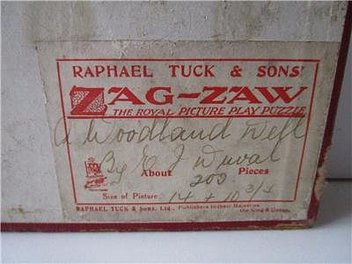
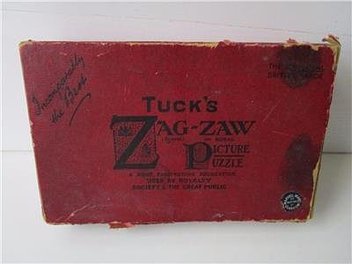
about 200 pieces
|
|
|
|
Zag-Zaw line of puzzles was first produced in 1909, most incorporate figurals or whimsies, sold in red, orange, or occasionally green boxes with labels on the side or bottom of the box, most without guide pictures. Initially cut non-interlocking but by 1930's became more so. Puzzles have a different cuts so that the same image will come in several versions which means that missing pieces can not be taken from other puzzles with the same image. The puzzle labels are often hand written and come with minor variations in titles and details. Some have a DESIGN category on the label. From my readings this refers to the style of cut, wavy lines, figurals, etc. See also Bob Armstrong's website on old jigsaw puzzles
|
DUVAL
|
|
|
|
|
| |||
| 25437 |


|
about 200 pieces, wooden, figurals, with box, one piece missing, push fit style, listed and described in the catalogs as number 247
|
|
|
|
Zag-Zaw line of puzzles was first produced in 1909, most incorporate figurals or whimsies, sold in red, orange, or occasionally green boxes with labels on the side or bottom of the box, most without guide pictures. Initially cut non-interlocking but by 1930's became more so. Puzzles have a different cuts so that the same image will come in several versions which means that missing pieces can not be taken from other puzzles with the same image. The puzzle labels are often hand written and come with minor variations in titles and details. Some have a DESIGN category on the label. From my readings this refers to the style of cut, wavy lines, figurals, etc. See also Bob Armstrong's website on old jigsaw puzzles
|
A. LUDOVICI
|
|
12 x 8 1/2 in.
|
|
| ||||
| 25438 |





|
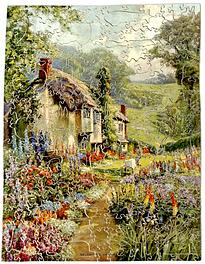
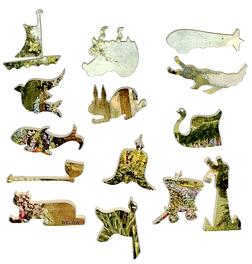
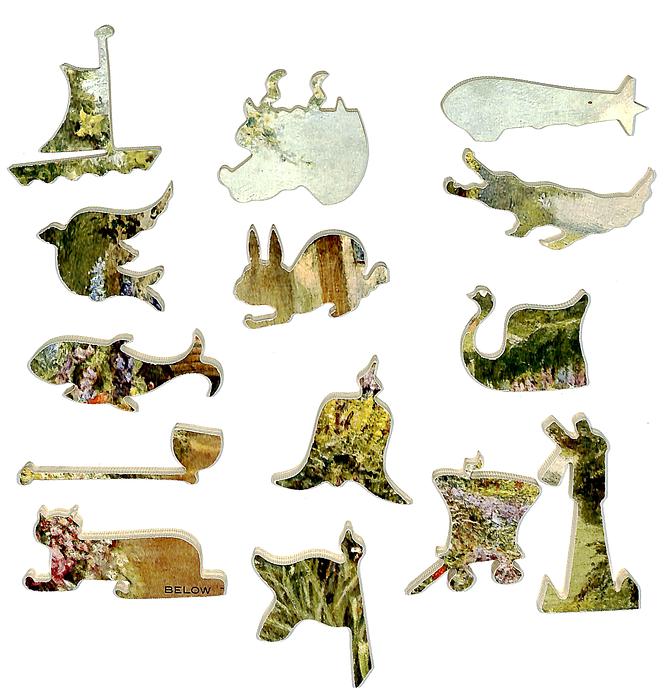
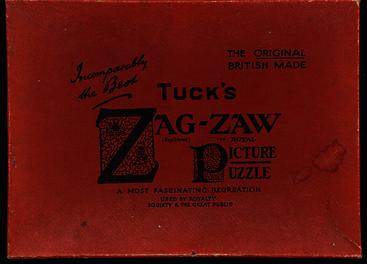
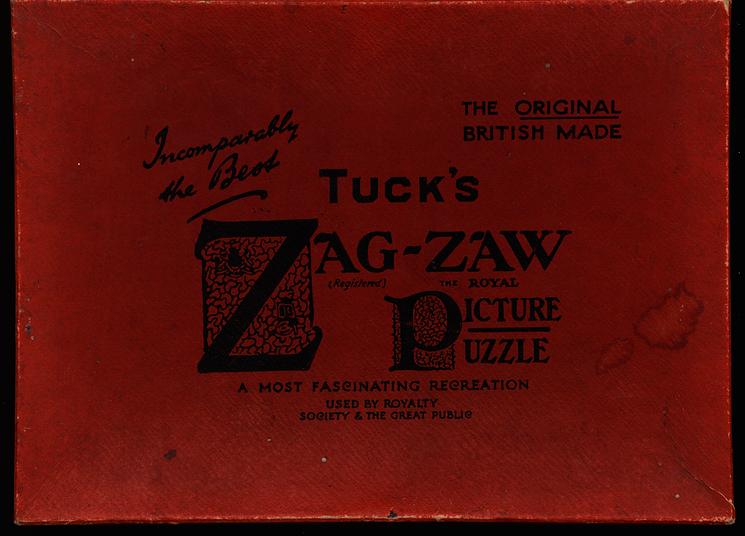
about 200 pieces, wooden, figurals, complete with box, three previously broken pieces which have been glued back together, interlocking style. The label is illegible but the puzzle itself is titled and signed.
|
|
|
|
Zag-Zaw line of puzzles was first produced in 1909, most incorporate figurals or whimsies, sold in red, orange, or occasionally green boxes with labels on the side or bottom of the box, most without guide pictures. Initially cut non-interlocking but by 1930's became more so. Puzzles have a different cuts so that the same image will come in several versions which means that missing pieces can not be taken from other puzzles with the same image. The puzzle labels are often hand written and come with minor variations in titles and details. Some have a DESIGN category on the label. From my readings this refers to the style of cut, wavy lines, figurals, etc. See also Bob Armstrong's website on old jigsaw puzzles
|
Jackson
|
|
9 3/4 x 13 inches.
|
|
|
| |||
| 25439 |



|
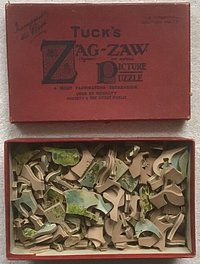
about 250 pieces, wooden, figurals, complete with box, pushfit style
|
|
|
|
Zag-Zaw line of puzzles was first produced in 1909, most incorporate figurals or whimsies, sold in red, orange, or occasionally green boxes with labels on the side or bottom of the box, most without guide pictures. Initially cut non-interlocking but by 1930's became more so. Puzzles have a different cuts so that the same image will come in several versions which means that missing pieces can not be taken from other puzzles with the same image. The puzzle labels are often hand written and come with minor variations in titles and details. Some have a DESIGN category on the label. From my readings this refers to the style of cut, wavy lines, figurals, etc. See also Bob Armstrong's website on old jigsaw puzzles
|
|
|
11 1/2 x 8 1/2 in.
|
|
| ||||
| 25440 |





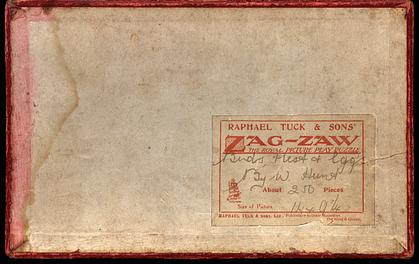

|
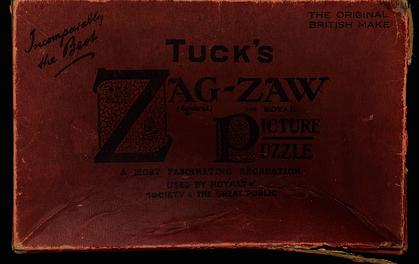
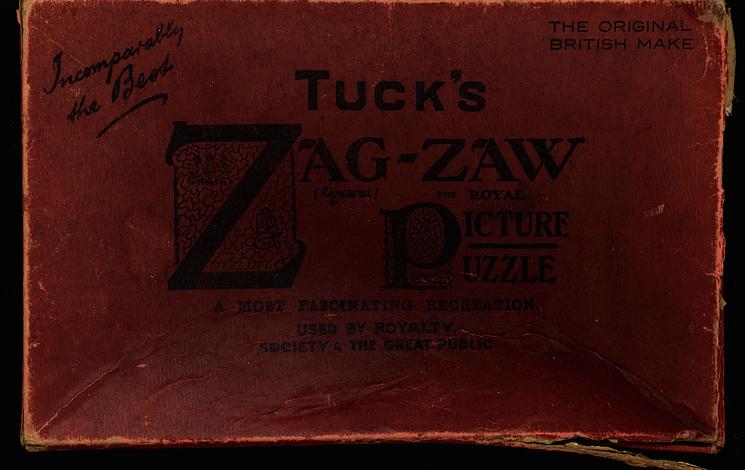
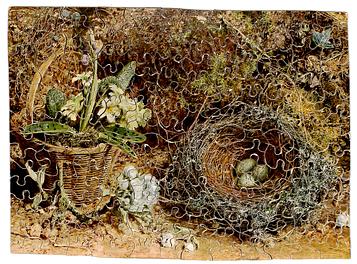
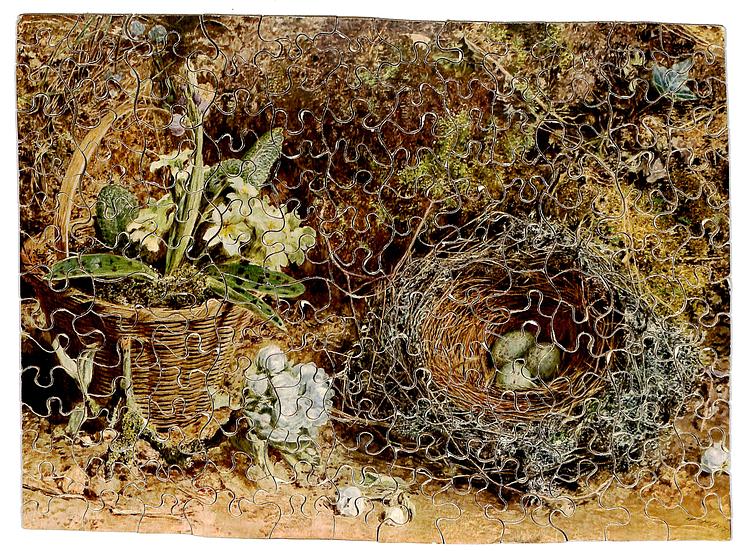
about 250 pieces, wooden, complete with box, interlocking style
|
|
|
|
Zag-Zaw line of puzzles was first produced in 1909, most incorporate figurals or whimsies, sold in red, orange, or occasionally green boxes with labels on the side or bottom of the box, most without guide pictures. Initially cut non-interlocking but by 1930's became more so. Puzzles have a different cuts so that the same image will come in several versions which means that missing pieces can not be taken from other puzzles with the same image. The puzzle labels are often hand written and come with minor variations in titles and details. Some have a DESIGN category on the label. From my readings this refers to the style of cut, wavy lines, figurals, etc. See also Bob Armstrong's website on old jigsaw puzzles
|
W. HUNT
|
|
11 1/2 x 8 1/2 in.
|
|
|