All Items
27,432 items
|
Title
|
Images
|
Item Comment
|
Prefix
|
Number
|
In set
|
Set
|
Set Comment
|
Type
|
Artist
|
Author
|
Size
|
Topics
|
Set Covers
|
Reference
| |
|---|---|---|---|---|---|---|---|---|---|---|---|---|---|---|---|
| 25461 |





|
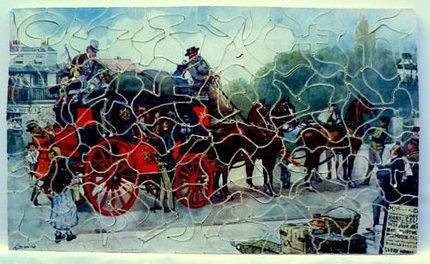
200 pieces, several whimsies, circa 1920, one of the 16 Tuck Dickens coaching puzzles with the famous Ludovici illustrations.
|
|
|
|
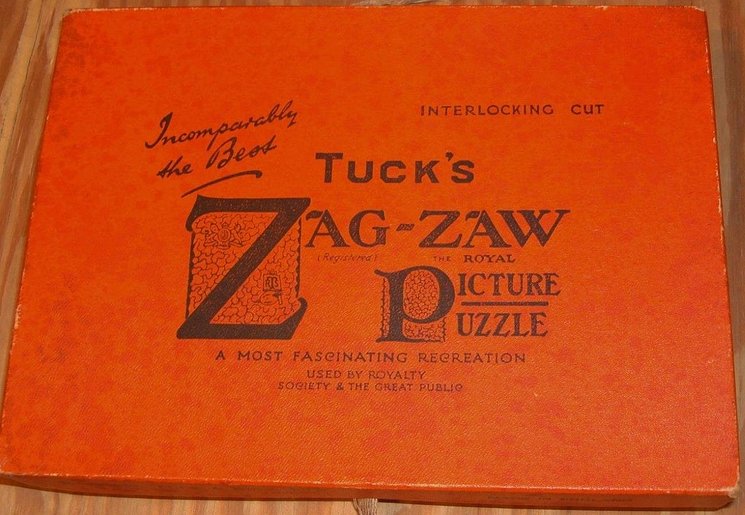
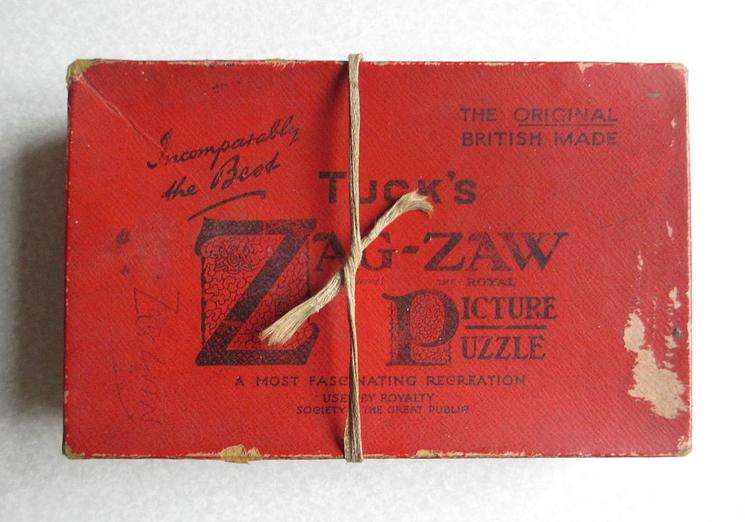
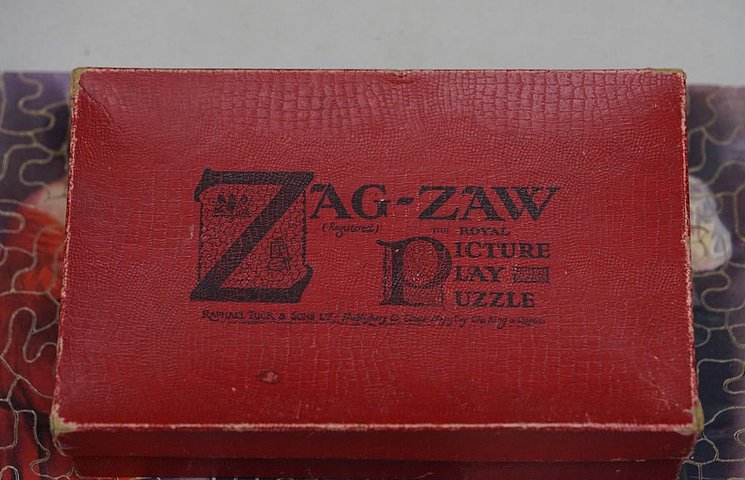
Zag-Zaw line of puzzles was first produced in 1909, most incorporate figurals or whimsies, sold in red, orange, or occasionally green boxes with labels on the side or bottom of the box, most without guide pictures. Initially cut non-interlocking but by 1930's became more so. Puzzles have a different cuts so that the same image will come in several versions which means that missing pieces can not be taken from other puzzles with the same image. The puzzle labels are often hand written and come with minor variations in titles and details. Some have a DESIGN category on the label. From my readings this refers to the style of cut, wavy lines, figurals, etc. See also Bob Armstrong's website on old jigsaw puzzles
|
LUDOVICI
|
|
12 x 7 in.
|
|
|
| |||
| 25462 |








|
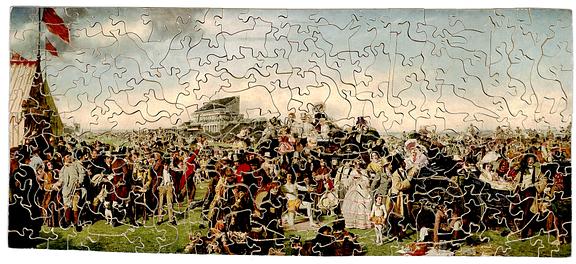
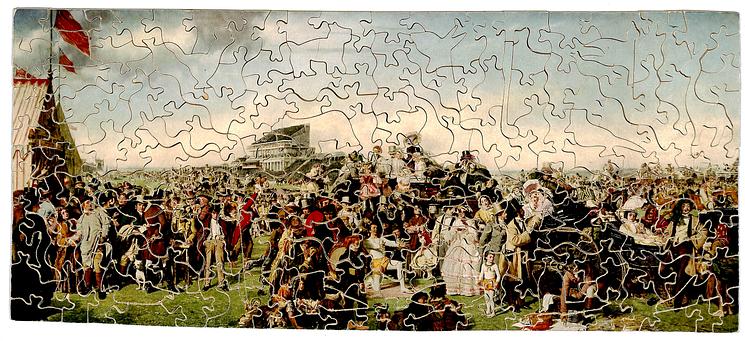
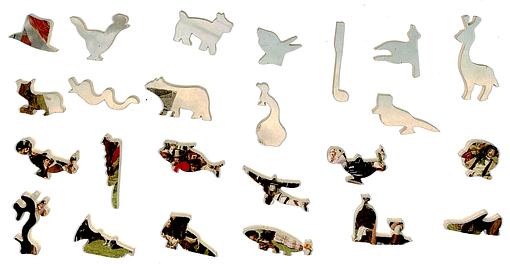
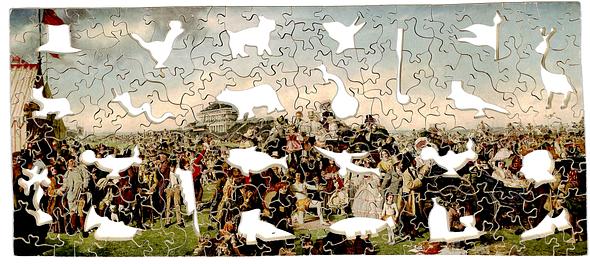
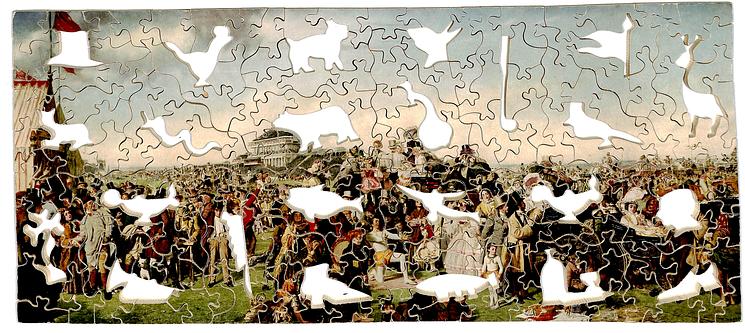
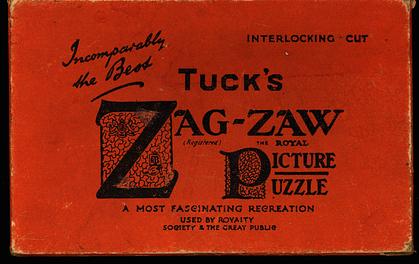
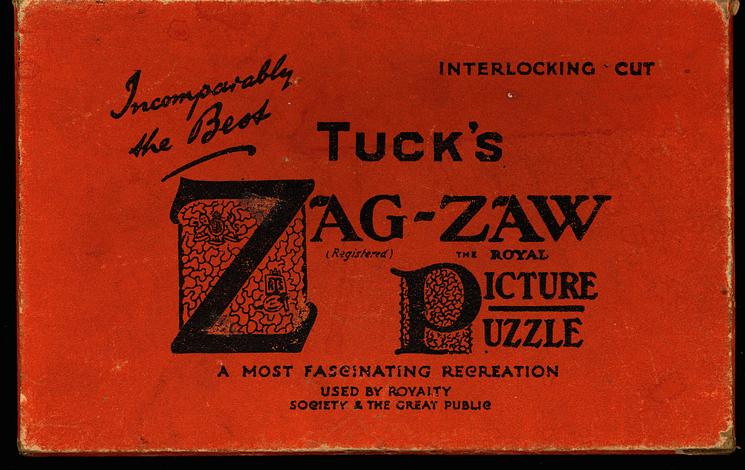
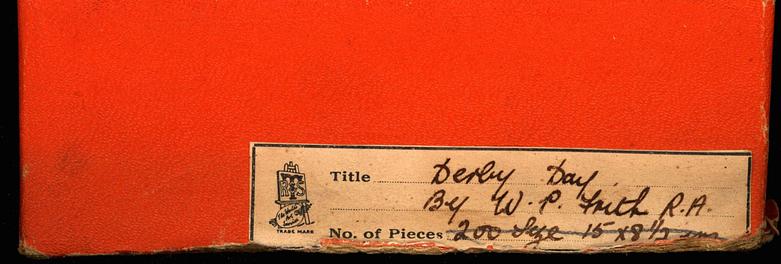
about 200 pieces, wooden, figurals, complete with box, interlocking style, the same image comes as a 165 piece puzzle.-as per Wikipedia--It includes three main scenes, during the annual spectacle of the Derby, when large numbers of Londoners left town for the day to visit the races on Epsom Downs, presenting a cross-section of society in a contemporary saturnalian revel.
|
|
|
|
Zag-Zaw line of puzzles was first produced in 1909, most incorporate figurals or whimsies, sold in red, orange, or occasionally green boxes with labels on the side or bottom of the box, most without guide pictures. Initially cut non-interlocking but by 1930's became more so. Puzzles have a different cuts so that the same image will come in several versions which means that missing pieces can not be taken from other puzzles with the same image. The puzzle labels are often hand written and come with minor variations in titles and details. Some have a DESIGN category on the label. From my readings this refers to the style of cut, wavy lines, figurals, etc. See also Bob Armstrong's website on old jigsaw puzzles
|
W. P. FRITH( William Powell Frith)
|
|
15 x 6 1/2 in.
|
|
|
| |||
| 25463 |







|
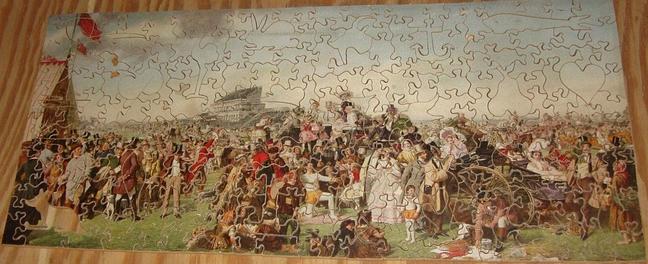
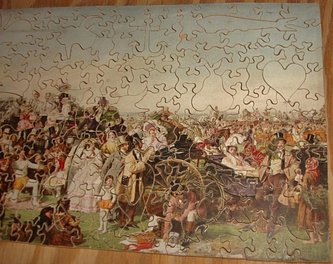
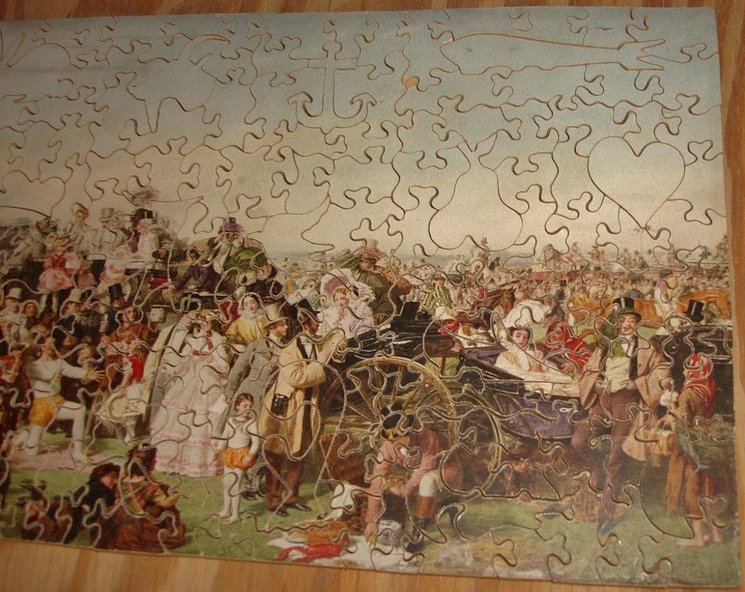
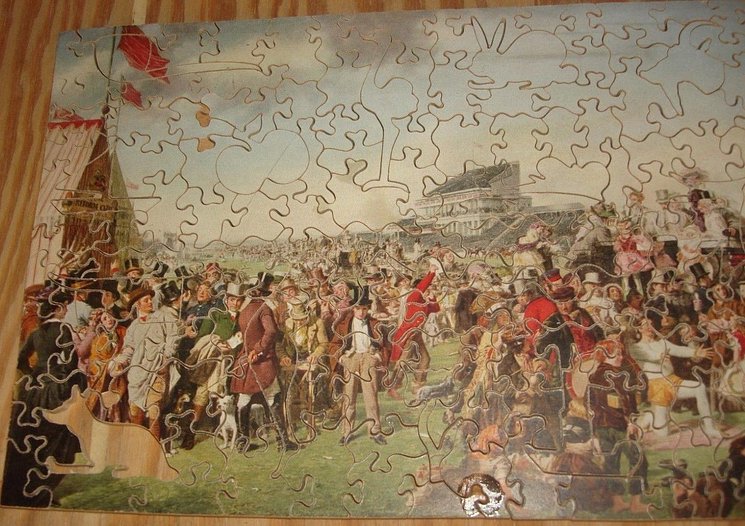
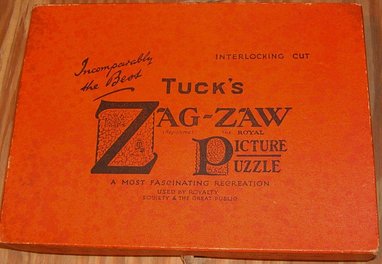
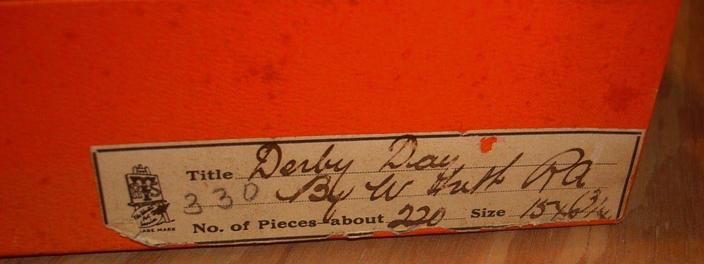
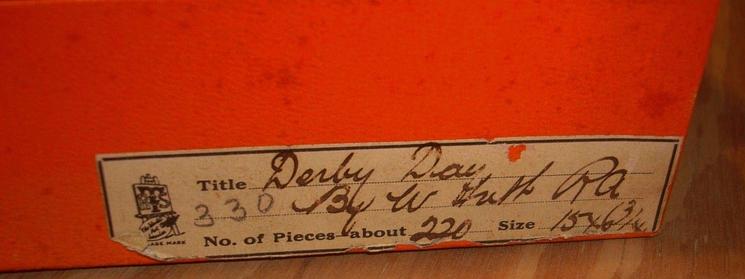
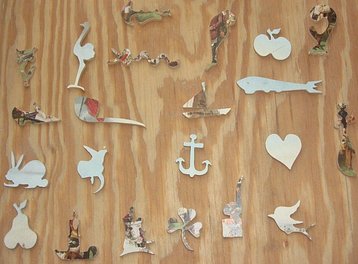
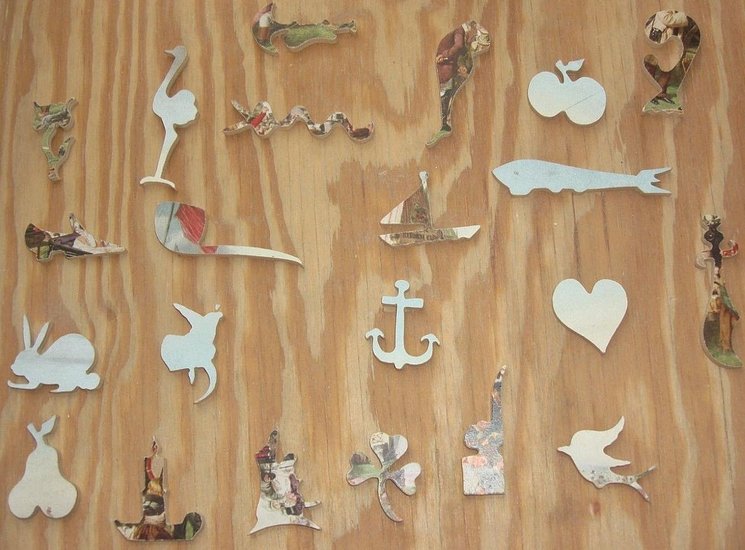
220 pieces, 22 whimsies, also comes listed as a 165 piece puzzle, -as per Wikipedia--It includes three main scenes, during the annual spectacle of the Derby, when large numbers of Londoners left town for the day to visit the races on Epsom Downs, presenting a cross-section of society in a contemporary saturnalian revel.
|
|
|
|
Zag-Zaw line of puzzles was first produced in 1909, most incorporate figurals or whimsies, sold in red, orange, or occasionally green boxes with labels on the side or bottom of the box, most without guide pictures. Initially cut non-interlocking but by 1930's became more so. Puzzles have a different cuts so that the same image will come in several versions which means that missing pieces can not be taken from other puzzles with the same image. The puzzle labels are often hand written and come with minor variations in titles and details. Some have a DESIGN category on the label. From my readings this refers to the style of cut, wavy lines, figurals, etc. See also Bob Armstrong's website on old jigsaw puzzles
|
W.P. FRITH.R.A.
|
|
15 x 6 3/4 in.
|
|
|
| |||
| 25464 |








|
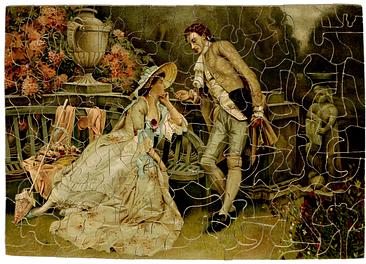
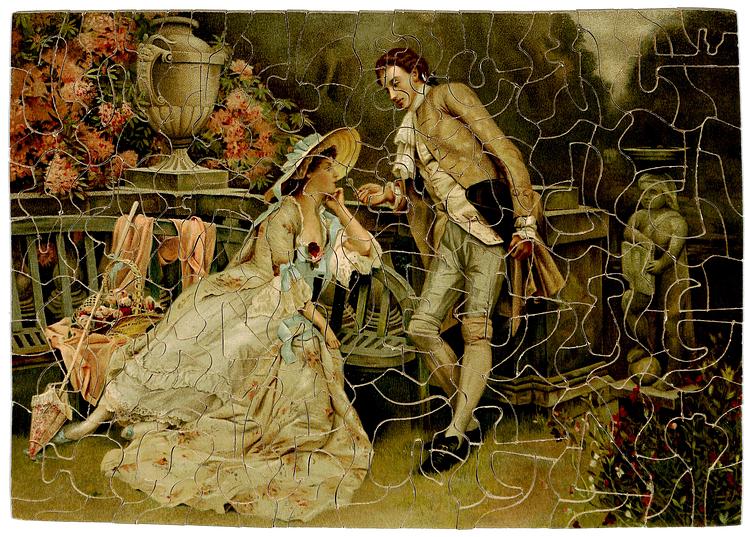
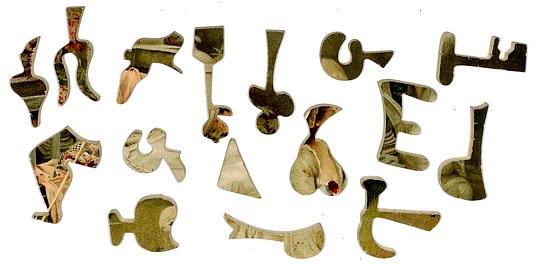
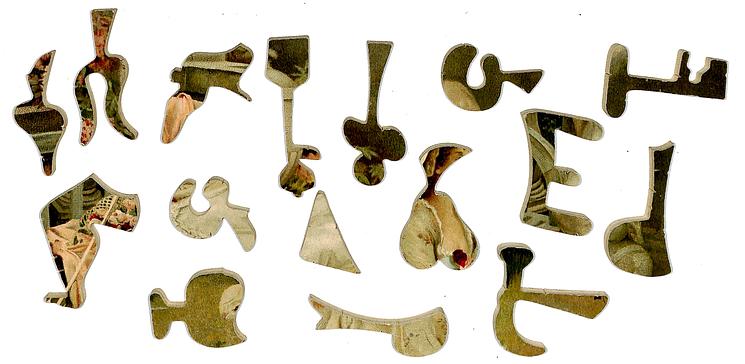
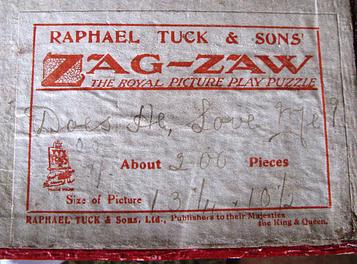
200 pieces, wooden, figurals, complete with box, push fit style
|
|
|
|
Zag-Zaw line of puzzles was first produced in 1909, most incorporate figurals or whimsies, sold in red, orange, or occasionally green boxes with labels on the side or bottom of the box, most without guide pictures. Initially cut non-interlocking but by 1930's became more so. Puzzles have a different cuts so that the same image will come in several versions which means that missing pieces can not be taken from other puzzles with the same image. The puzzle labels are often hand written and come with minor variations in titles and details. Some have a DESIGN category on the label. From my readings this refers to the style of cut, wavy lines, figurals, etc. See also Bob Armstrong's website on old jigsaw puzzles
|
|
|
13 1/4 x 10 1/2 in.
|
|
|
| |||
| 25465 |











|
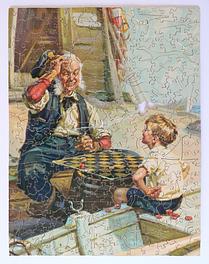
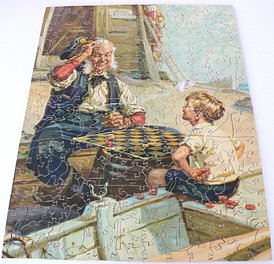
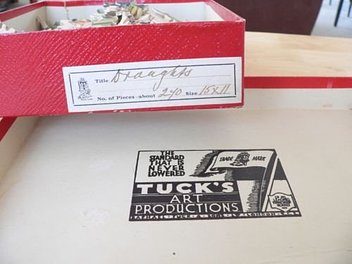
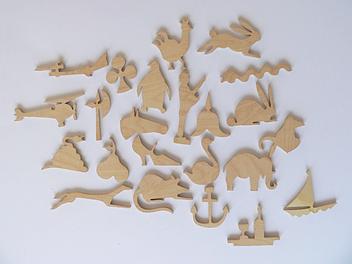
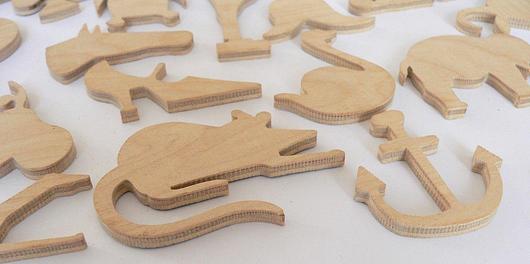
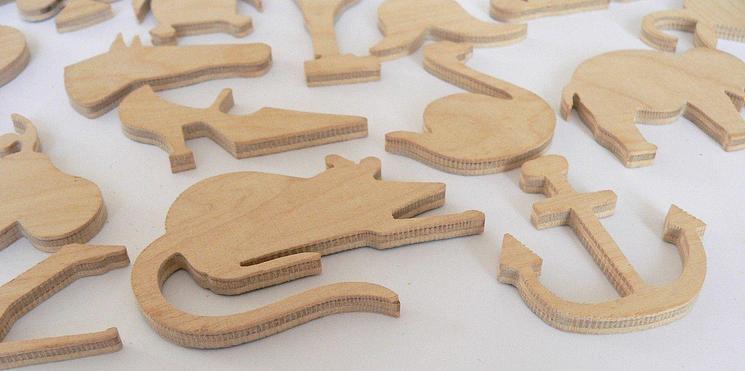
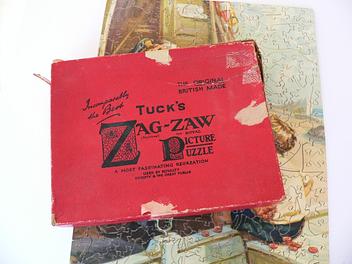
about 270 pieces, wooden, figurals, with box, complete, image comes as an oil painting titled CHECKERS
|
|
|
|
Zag-Zaw line of puzzles was first produced in 1909, most incorporate figurals or whimsies, sold in red, orange, or occasionally green boxes with labels on the side or bottom of the box, most without guide pictures. Initially cut non-interlocking but by 1930's became more so. Puzzles have a different cuts so that the same image will come in several versions which means that missing pieces can not be taken from other puzzles with the same image. The puzzle labels are often hand written and come with minor variations in titles and details. Some have a DESIGN category on the label. From my readings this refers to the style of cut, wavy lines, figurals, etc. See also Bob Armstrong's website on old jigsaw puzzles
|
Henry Hy Hintermeister (American, 1897–1972)
|
|
11 x 15 in.
|
|
|
| |||
| 25466 |







|
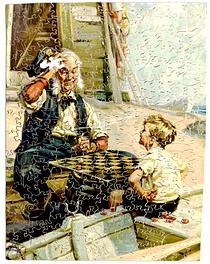
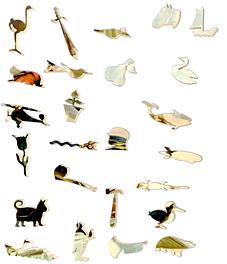
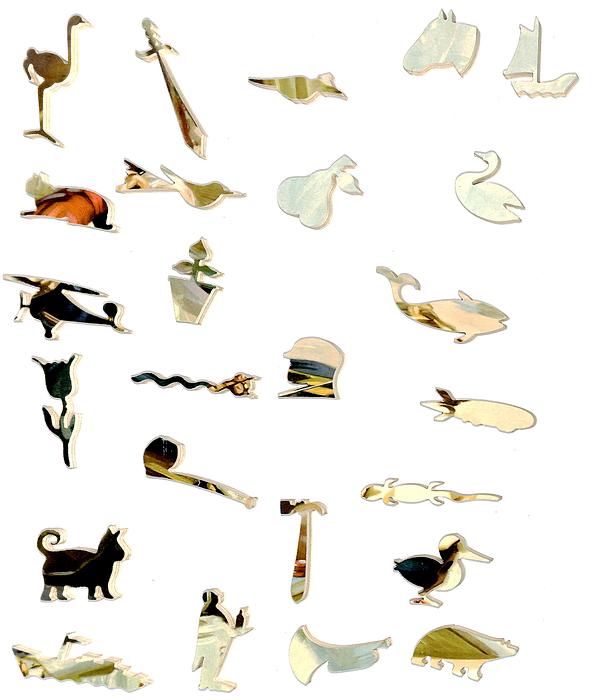
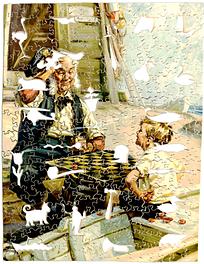
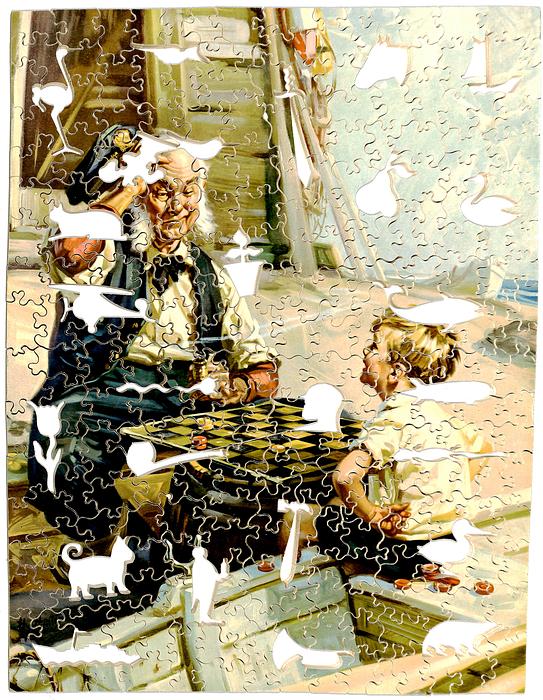
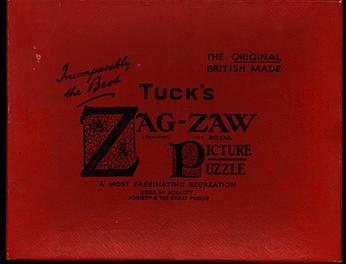
about 270 pieces, wooden, figurals, with box (no label), missing one piece, interlocking style, the same image comes as an oil painting titled CHECKERS
|
|
|
|
Zag-Zaw line of puzzles was first produced in 1909, most incorporate figurals or whimsies, sold in red, orange, or occasionally green boxes with labels on the side or bottom of the box, most without guide pictures. Initially cut non-interlocking but by 1930's became more so. Puzzles have a different cuts so that the same image will come in several versions which means that missing pieces can not be taken from other puzzles with the same image. The puzzle labels are often hand written and come with minor variations in titles and details. Some have a DESIGN category on the label. From my readings this refers to the style of cut, wavy lines, figurals, etc. See also Bob Armstrong's website on old jigsaw puzzles
|
Henry Hy Hintermeister (American, 1897–1972)
|
|
11 x 14 1/2 in.
|
|
|
| |||
| 25467 |












|
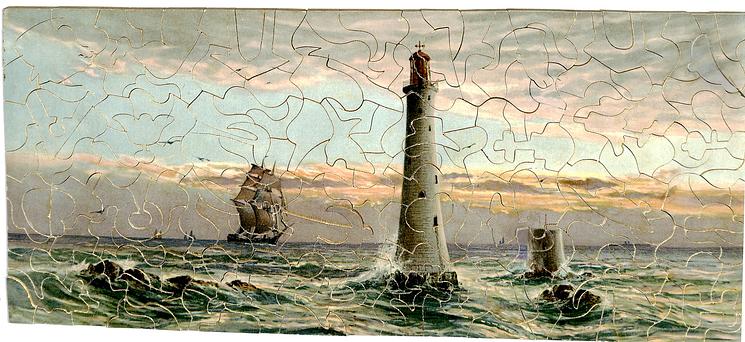
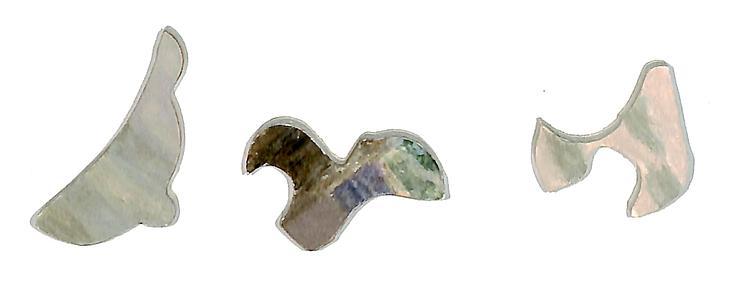
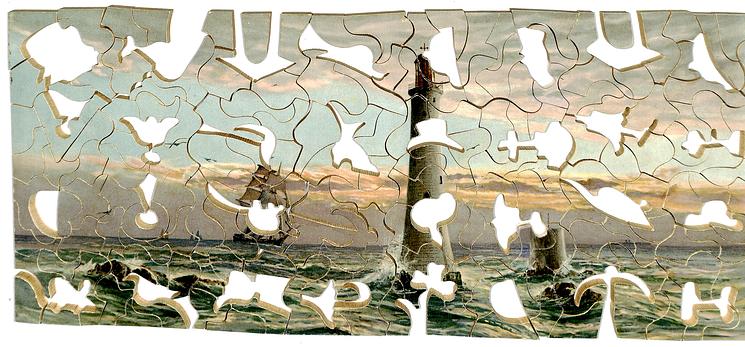
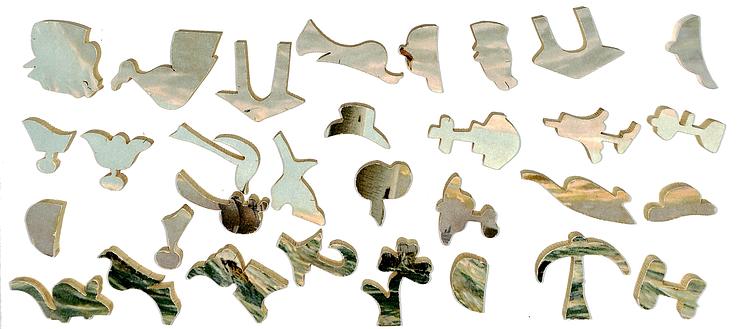
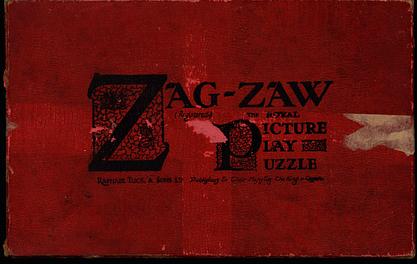
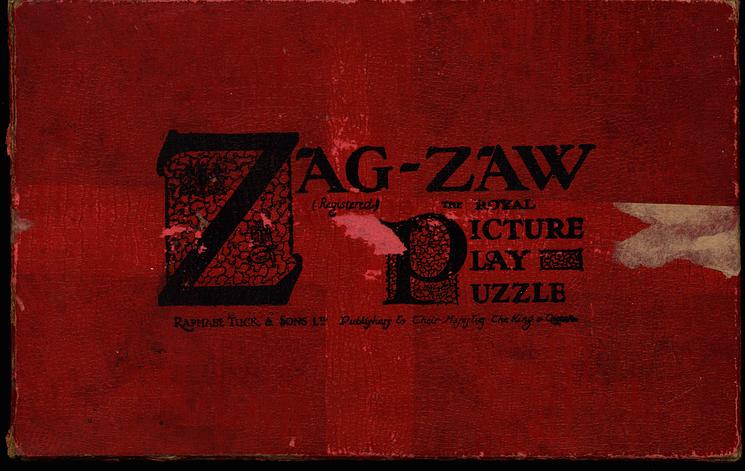
about 200 pieces, wooden, figurals, complete with three replacement pieces, with box, push fit style
|
|
|
|
Zag-Zaw line of puzzles was first produced in 1909, most incorporate figurals or whimsies, sold in red, orange, or occasionally green boxes with labels on the side or bottom of the box, most without guide pictures. Initially cut non-interlocking but by 1930's became more so. Puzzles have a different cuts so that the same image will come in several versions which means that missing pieces can not be taken from other puzzles with the same image. The puzzle labels are often hand written and come with minor variations in titles and details. Some have a DESIGN category on the label. From my readings this refers to the style of cut, wavy lines, figurals, etc. See also Bob Armstrong's website on old jigsaw puzzles
|
ERNEST STUART
|
|
18 1/2 x 8 in.
|
|
| ||||
| 25468 |

|
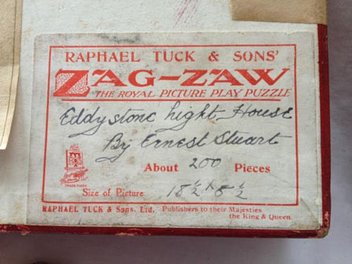
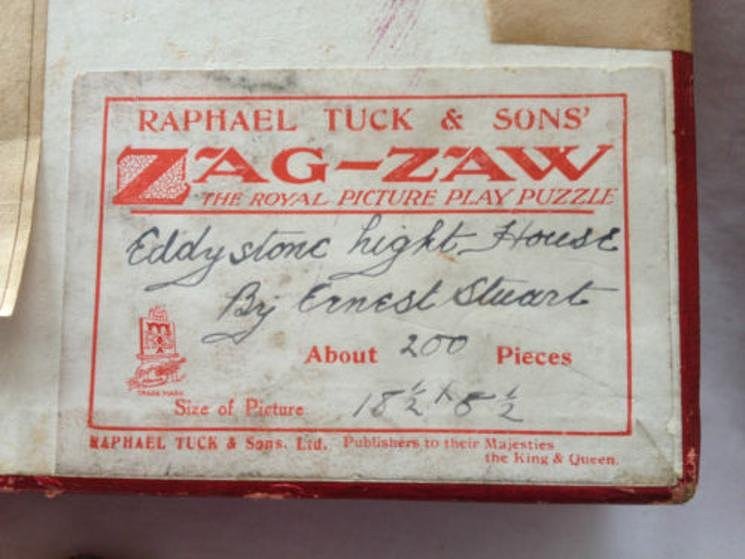
204 pieces
|
|
|
|
Zag-Zaw line of puzzles was first produced in 1909, most incorporate figurals or whimsies, sold in red, orange, or occasionally green boxes with labels on the side or bottom of the box, most without guide pictures. Initially cut non-interlocking but by 1930's became more so. Puzzles have a different cuts so that the same image will come in several versions which means that missing pieces can not be taken from other puzzles with the same image. The puzzle labels are often hand written and come with minor variations in titles and details. Some have a DESIGN category on the label. From my readings this refers to the style of cut, wavy lines, figurals, etc. See also Bob Armstrong's website on old jigsaw puzzles
|
ERNEST STUART
|
|
18.5 x 8.5 in.
|
|
|
| |||
| 25469 |









|
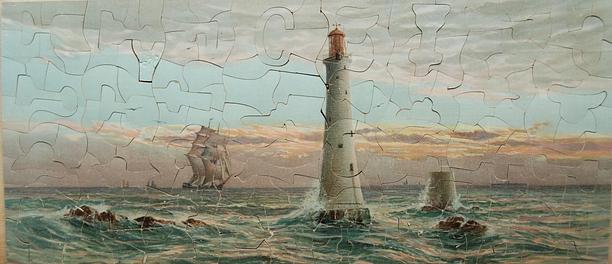
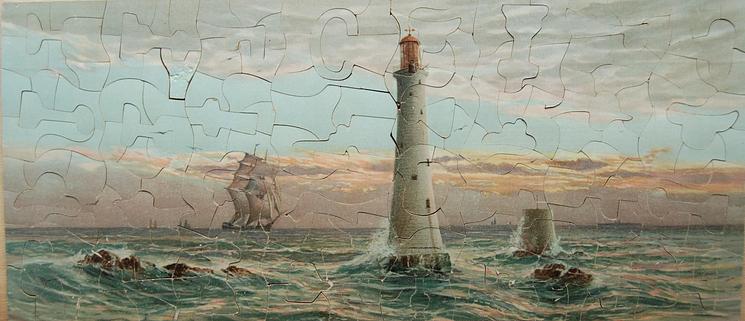
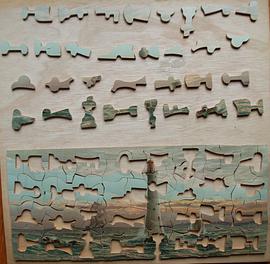
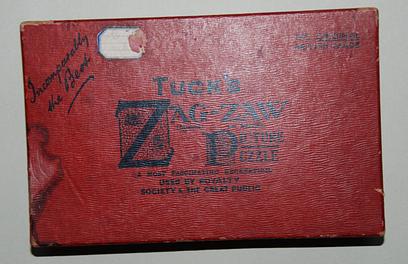
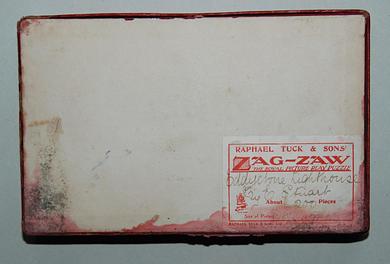
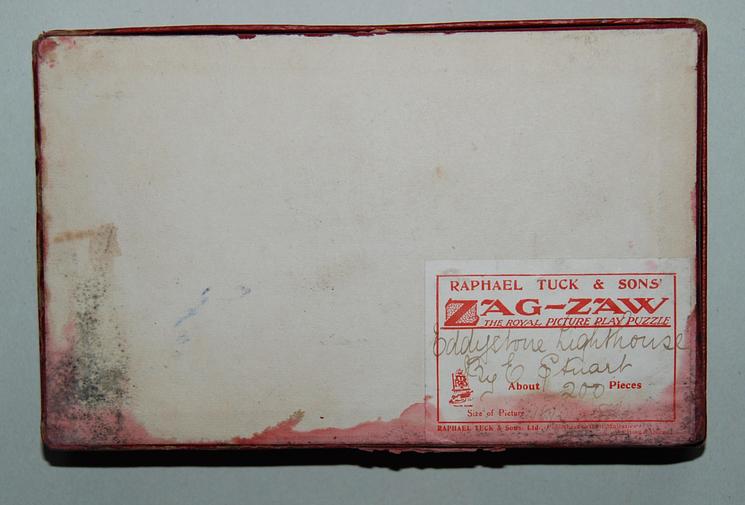
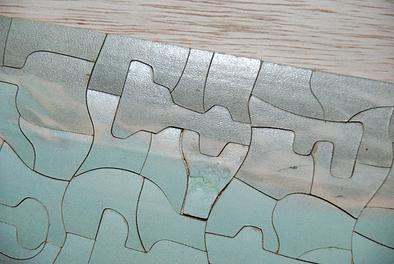
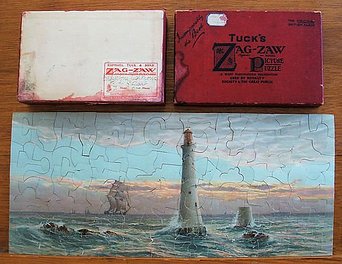
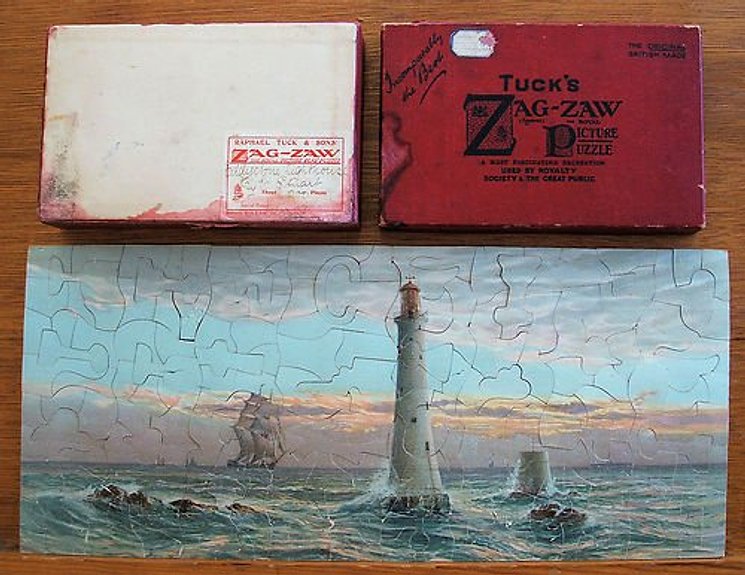
About 200 pieces, wooden, with figurals, push fit style. Complete with one slightly chewed piece, boxed and labelled. Also comes titled as THE EDDYSTONE LIGHTHOUSE and as a numbered puzzle 0513
|
|
|
|
Zag-Zaw line of puzzles was first produced in 1909, most incorporate figurals or whimsies, sold in red, orange, or occasionally green boxes with labels on the side or bottom of the box, most without guide pictures. Initially cut non-interlocking but by 1930's became more so. Puzzles have a different cuts so that the same image will come in several versions which means that missing pieces can not be taken from other puzzles with the same image. The puzzle labels are often hand written and come with minor variations in titles and details. Some have a DESIGN category on the label. From my readings this refers to the style of cut, wavy lines, figurals, etc. See also Bob Armstrong's website on old jigsaw puzzles
|
E. STUART
|
|
18½ x 8½ inches
|
|
|
| |||
| 25470 |




|
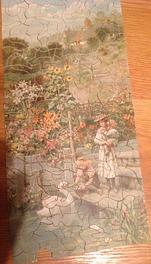
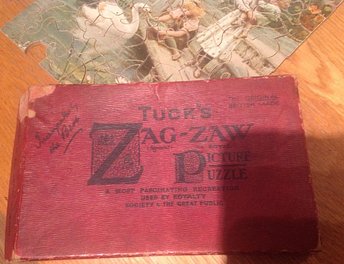
250 pieces
|
|
|
|
Zag-Zaw line of puzzles was first produced in 1909, most incorporate figurals or whimsies, sold in red, orange, or occasionally green boxes with labels on the side or bottom of the box, most without guide pictures. Initially cut non-interlocking but by 1930's became more so. Puzzles have a different cuts so that the same image will come in several versions which means that missing pieces can not be taken from other puzzles with the same image. The puzzle labels are often hand written and come with minor variations in titles and details. Some have a DESIGN category on the label. From my readings this refers to the style of cut, wavy lines, figurals, etc. See also Bob Armstrong's website on old jigsaw puzzles
|
W.S.COLEMAN
|
|
|
|
|
| |||
| 25471 |

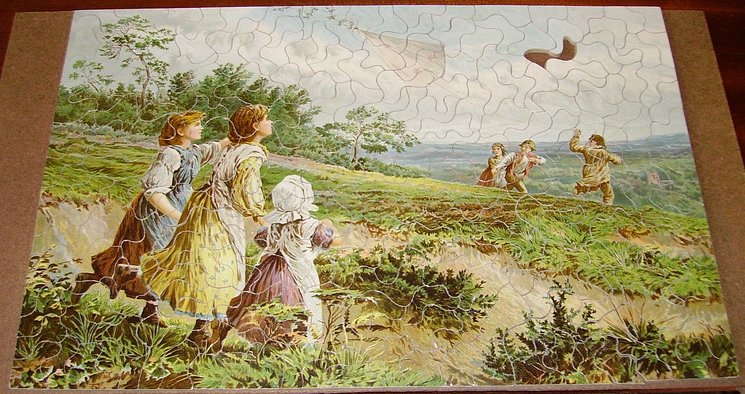

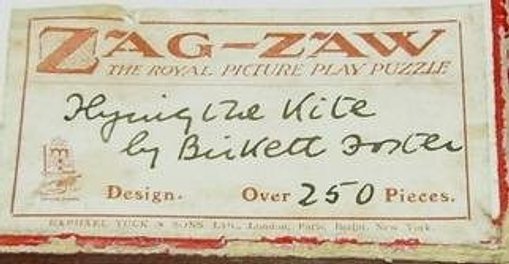
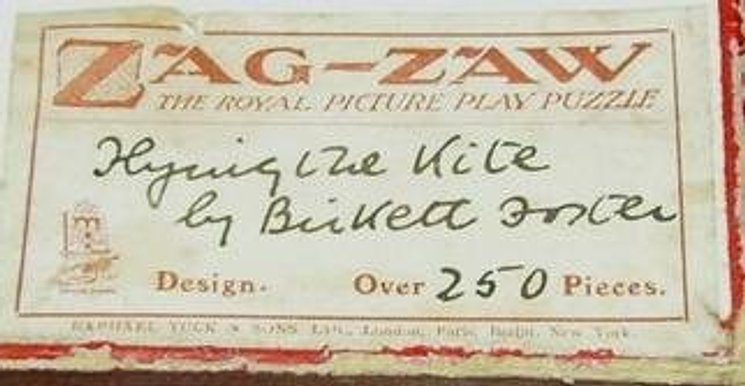

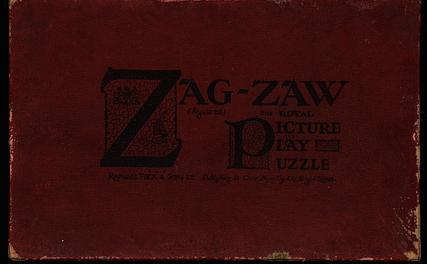


|
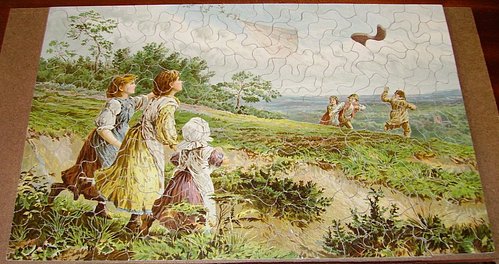
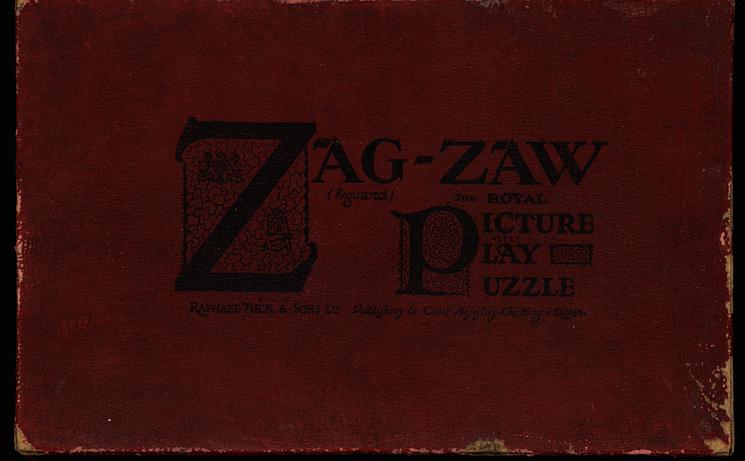
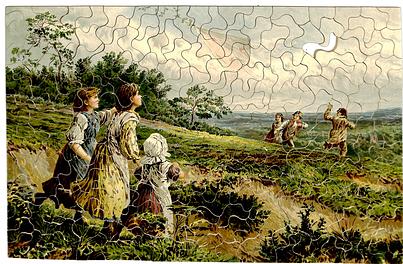
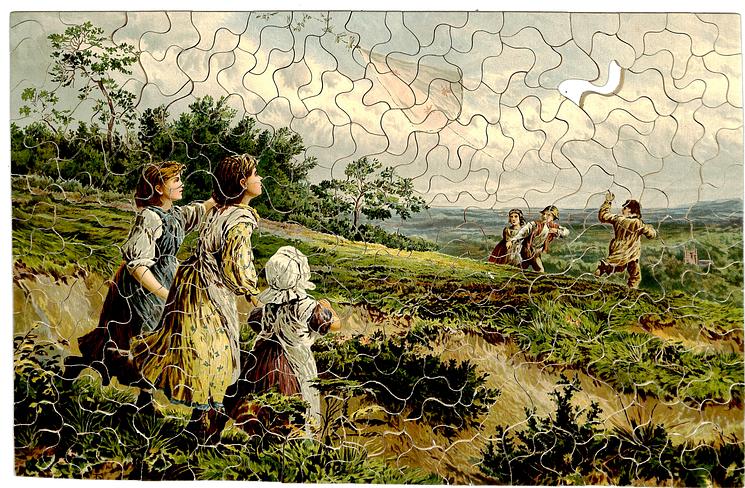
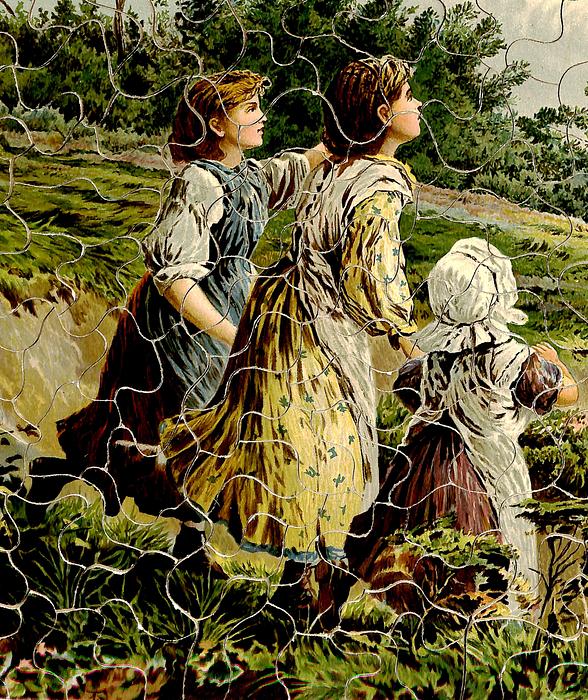
250 pieces, wooden, one piece missing, with box, push fit style
|
|
|
|
Zag-Zaw line of puzzles was first produced in 1909, most incorporate figurals or whimsies, sold in red, orange, or occasionally green boxes with labels on the side or bottom of the box, most without guide pictures. Initially cut non-interlocking but by 1930's became more so. Puzzles have a different cuts so that the same image will come in several versions which means that missing pieces can not be taken from other puzzles with the same image. The puzzle labels are often hand written and come with minor variations in titles and details. Some have a DESIGN category on the label. From my readings this refers to the style of cut, wavy lines, figurals, etc. See also Bob Armstrong's website on old jigsaw puzzles
|
BIRKETT FOSTER
|
|
17 1/2 x 11 1/4 in.
|
|
|
| |||
| 25472 |






|
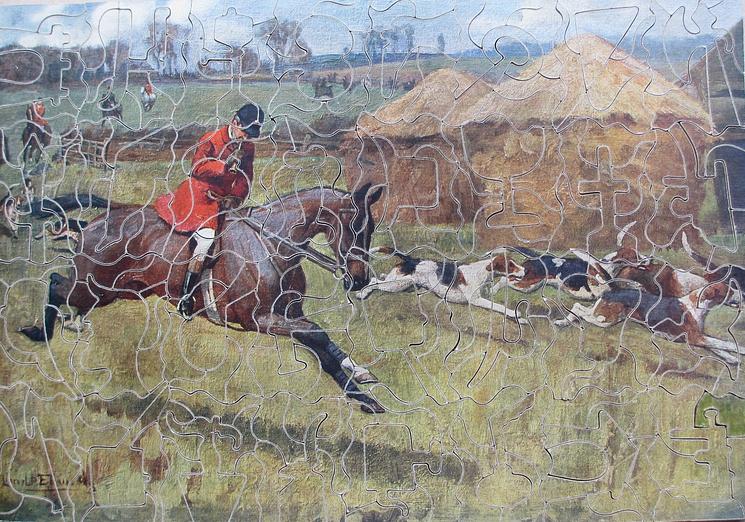
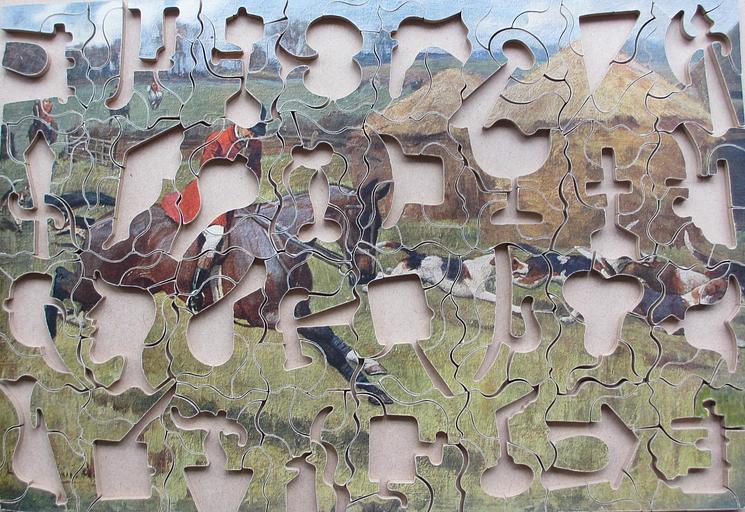
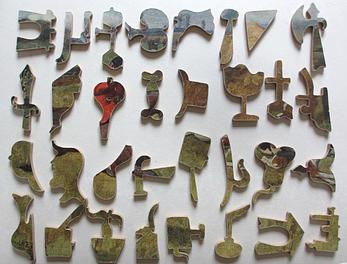
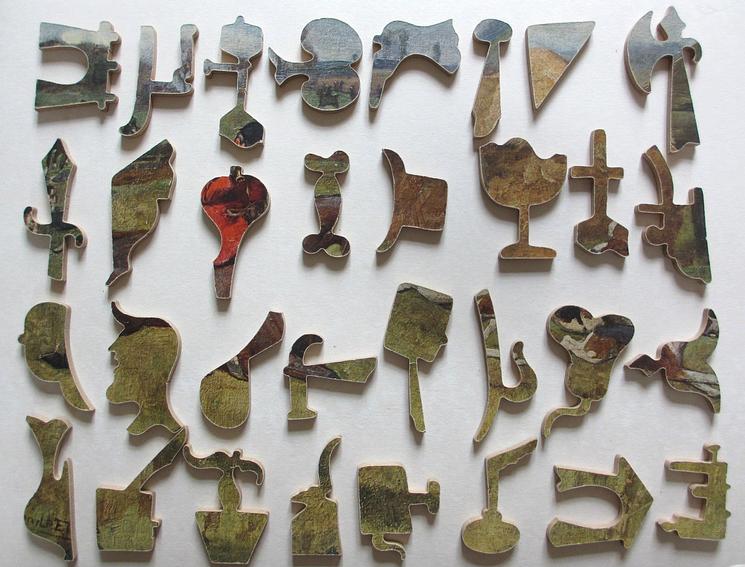
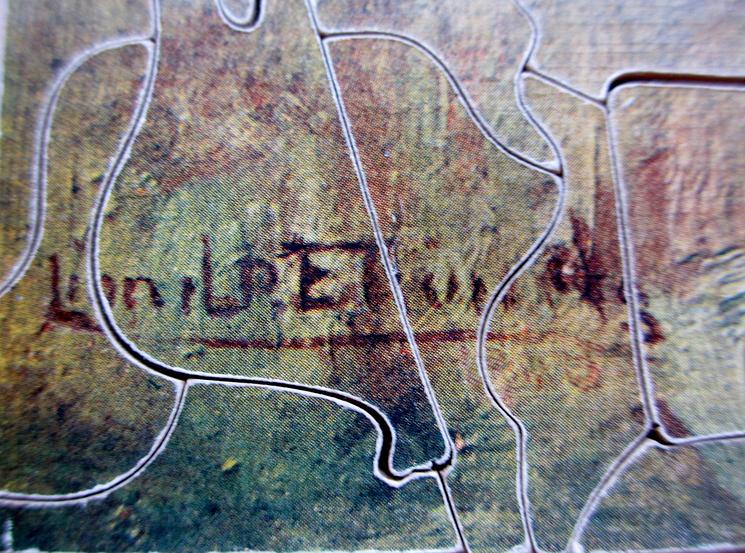
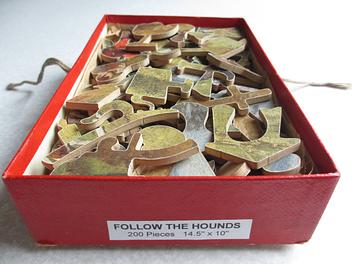
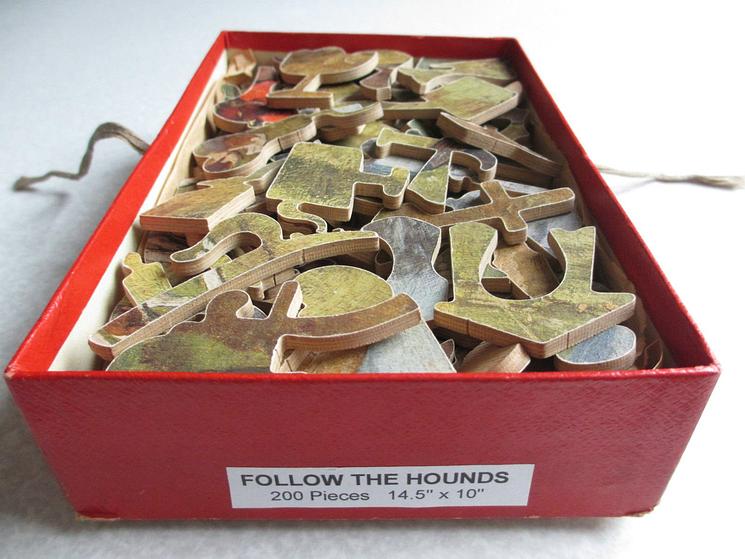
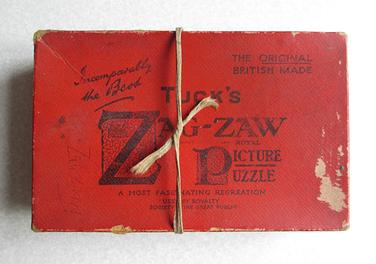
200 pieces, 32 whimsies, puch fit style, complete with one piece replaced, also comes titled FULL CRY
|
|
|
|
Zag-Zaw line of puzzles was first produced in 1909, most incorporate figurals or whimsies, sold in red, orange, or occasionally green boxes with labels on the side or bottom of the box, most without guide pictures. Initially cut non-interlocking but by 1930's became more so. Puzzles have a different cuts so that the same image will come in several versions which means that missing pieces can not be taken from other puzzles with the same image. The puzzle labels are often hand written and come with minor variations in titles and details. Some have a DESIGN category on the label. From my readings this refers to the style of cut, wavy lines, figurals, etc. See also Bob Armstrong's website on old jigsaw puzzles
|
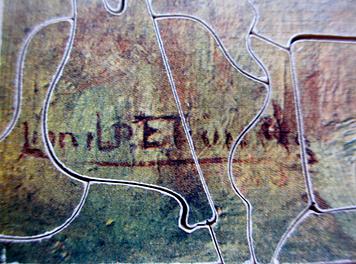
LIONEL EDWARDS (1878 – 1966)
|
|
14.5 x 10 in.
|
|
|
| |||
| 25473 |







|
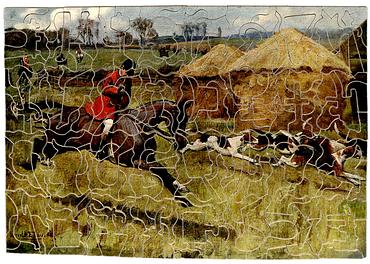
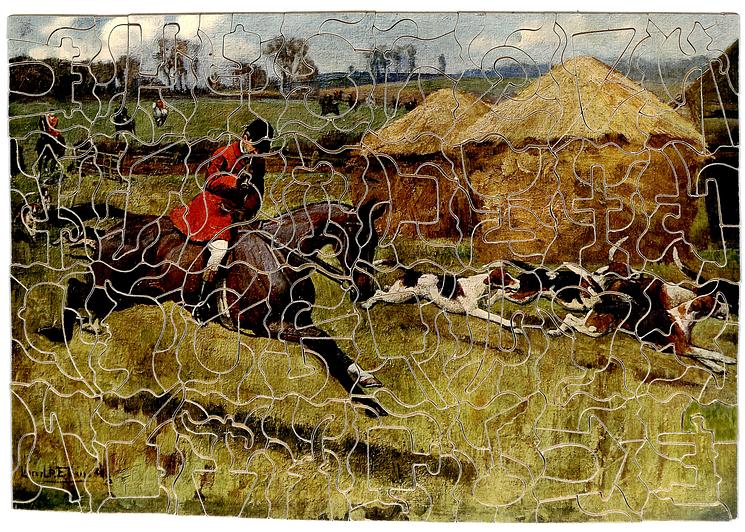
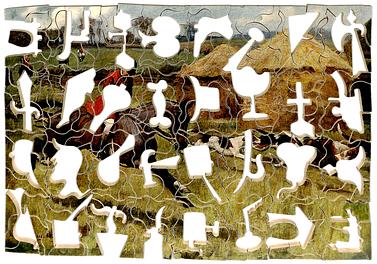
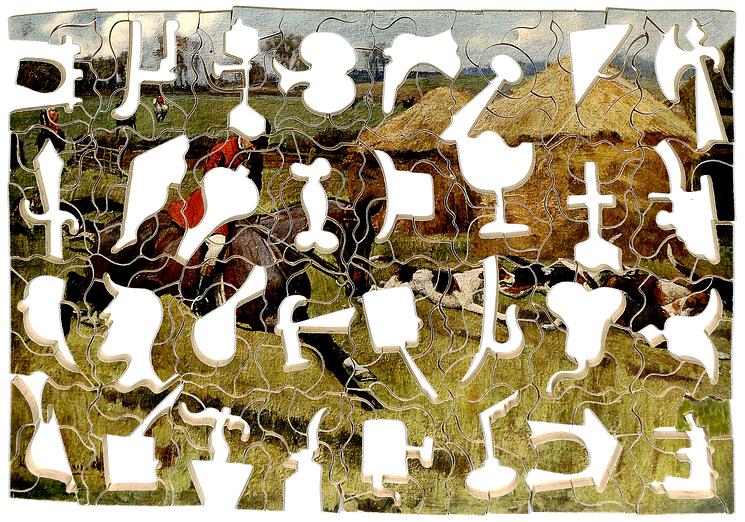
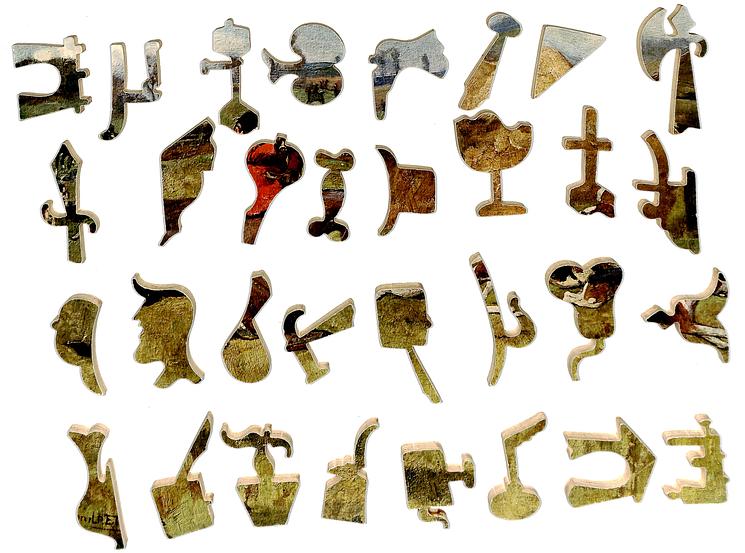
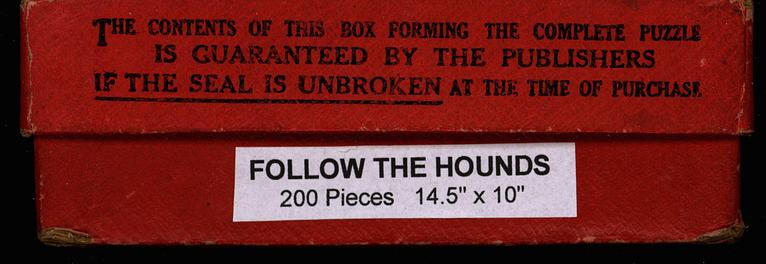
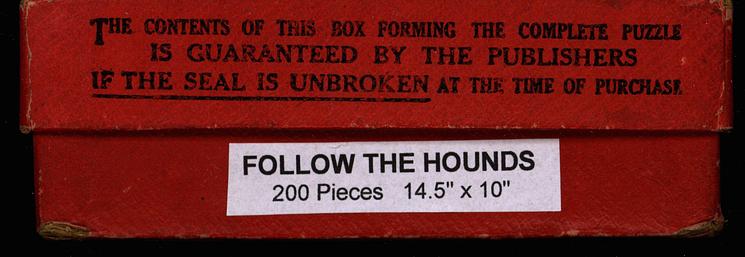
about 200 pieces, wooden, figurals, complete with box, one piece repaired, push fit style, also comes titled FULL CRY
|
|
|
|
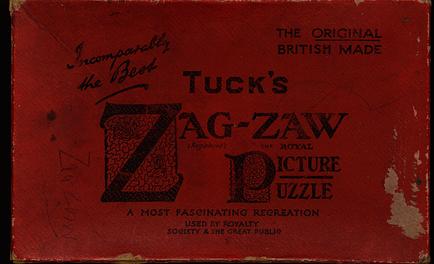
Zag-Zaw line of puzzles was first produced in 1909, most incorporate figurals or whimsies, sold in red, orange, or occasionally green boxes with labels on the side or bottom of the box, most without guide pictures. Initially cut non-interlocking but by 1930's became more so. Puzzles have a different cuts so that the same image will come in several versions which means that missing pieces can not be taken from other puzzles with the same image. The puzzle labels are often hand written and come with minor variations in titles and details. Some have a DESIGN category on the label. From my readings this refers to the style of cut, wavy lines, figurals, etc. See also Bob Armstrong's website on old jigsaw puzzles
|
LIONEL EDWARDS (1878 – 1966)
|
|
14 1/2 x 10 in.
|
|
| ||||
| 25474 |




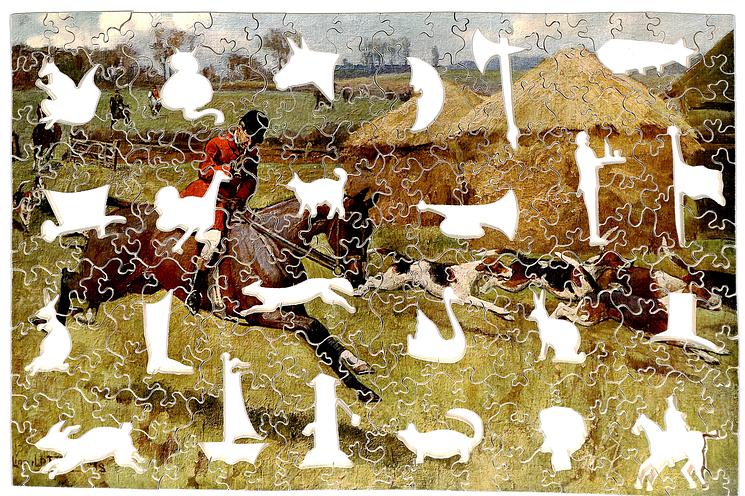



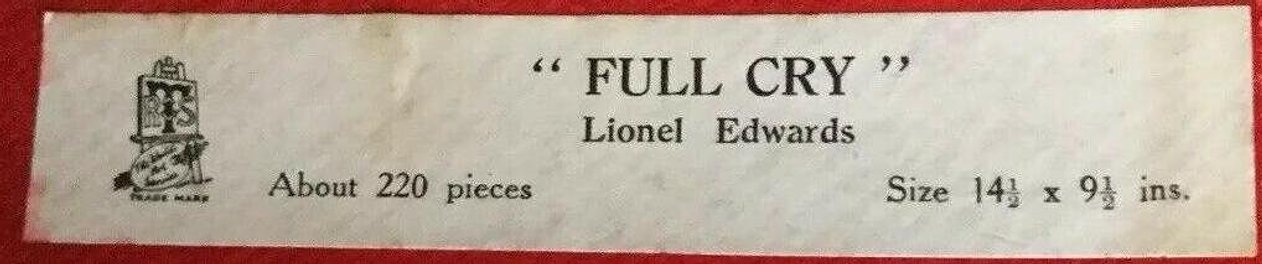



|
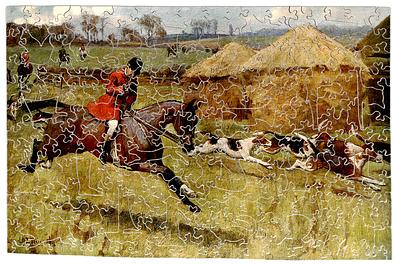
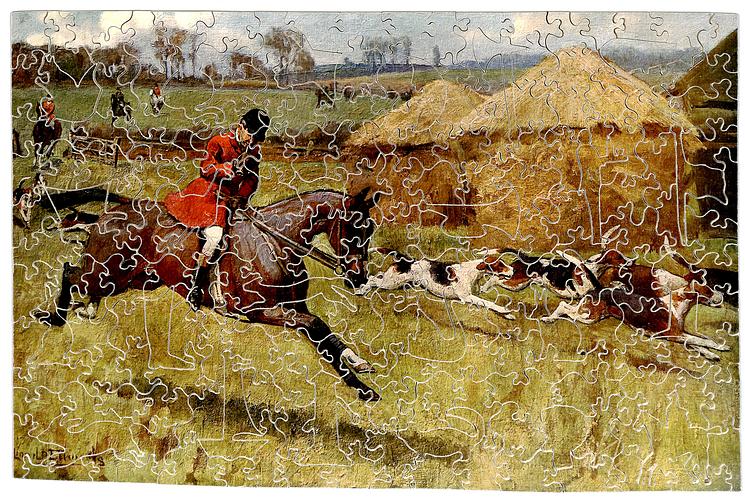
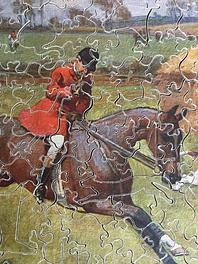
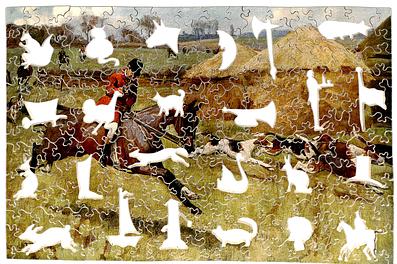
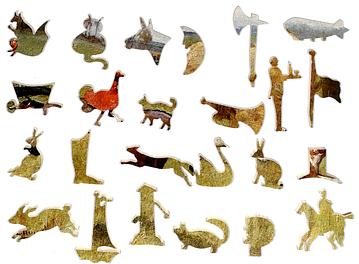
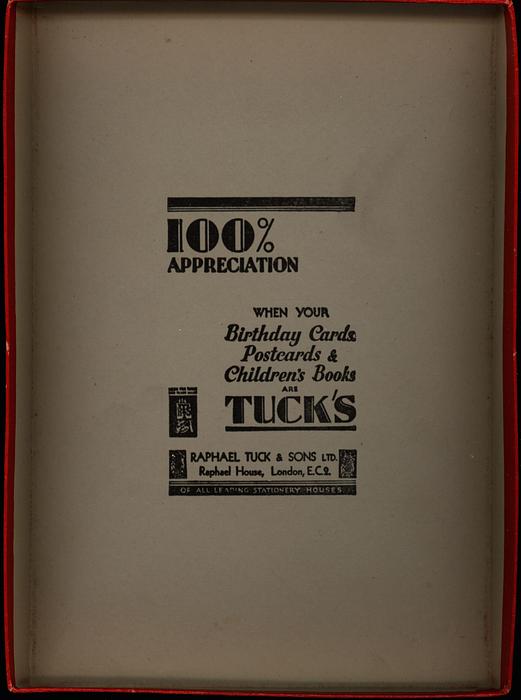
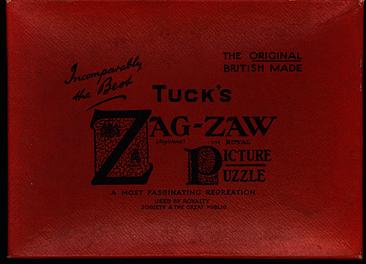
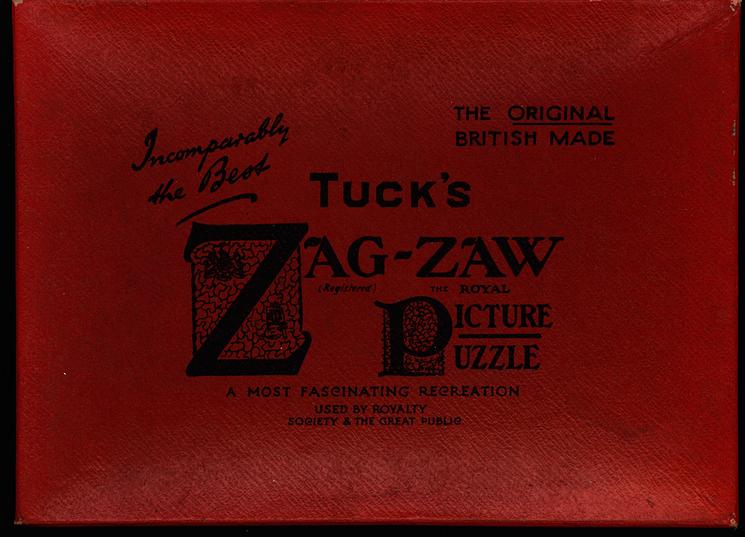
ABOUT 220 PIECES, wooden, figurals, complete with box, one nib missing, interlocking style, also comes titled FOLLOW THE HOUNDS
|
|
|
|
Zag-Zaw line of puzzles was first produced in 1909, most incorporate figurals or whimsies, sold in red, orange, or occasionally green boxes with labels on the side or bottom of the box, most without guide pictures. Initially cut non-interlocking but by 1930's became more so. Puzzles have a different cuts so that the same image will come in several versions which means that missing pieces can not be taken from other puzzles with the same image. The puzzle labels are often hand written and come with minor variations in titles and details. Some have a DESIGN category on the label. From my readings this refers to the style of cut, wavy lines, figurals, etc. See also Bob Armstrong's website on old jigsaw puzzles
|
LIONEL EDWARDS
|
|
14 1/2 x 9 1/2 in.
|
|
|
| |||
| 25475 |










|
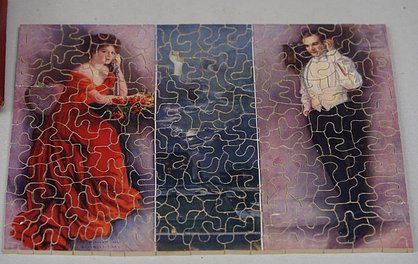
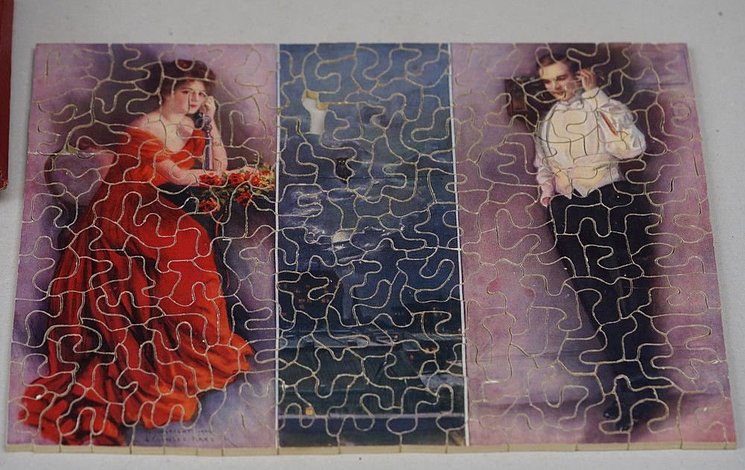
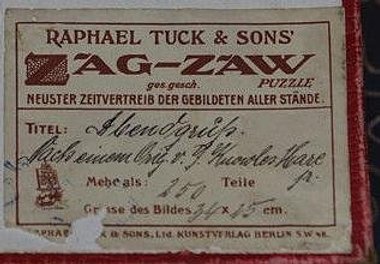
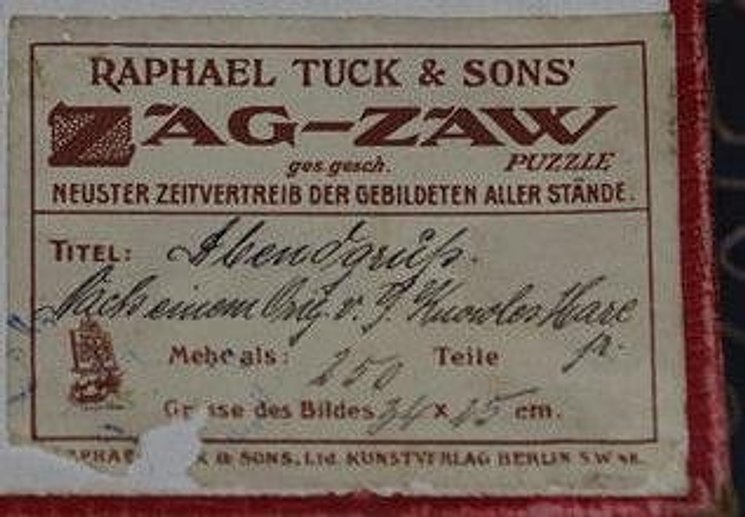
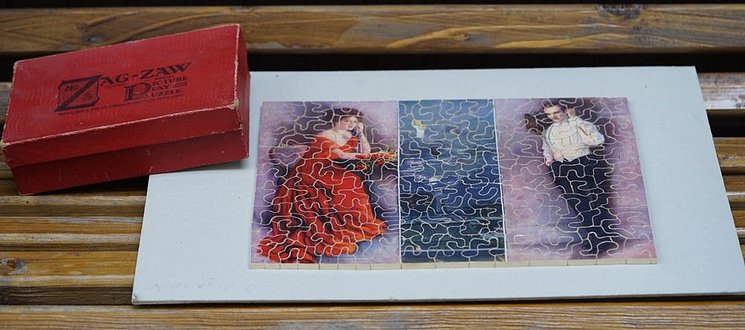
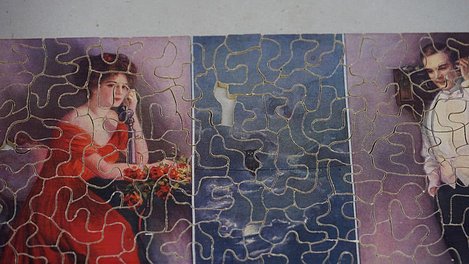
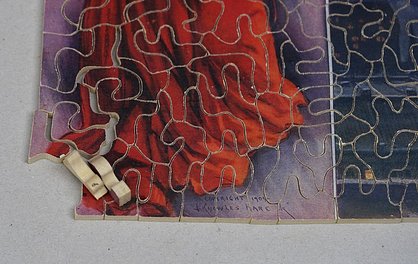
COPYRIGHT 1904-J. KNOWLES HARE
|
|
|
|
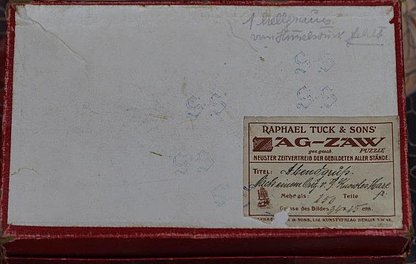
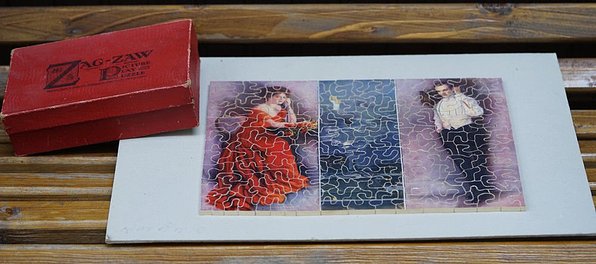
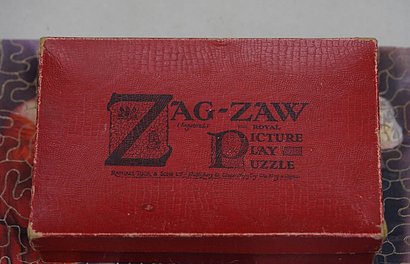
Zag-Zaw line of puzzles was first produced in 1909, most incorporate figurals or whimsies, sold in red, orange, or occasionally green boxes with labels on the side or bottom of the box, most without guide pictures. Initially cut non-interlocking but by 1930's became more so. Puzzles have a different cuts so that the same image will come in several versions which means that missing pieces can not be taken from other puzzles with the same image. The puzzle labels are often hand written and come with minor variations in titles and details. Some have a DESIGN category on the label. From my readings this refers to the style of cut, wavy lines, figurals, etc. See also Bob Armstrong's website on old jigsaw puzzles
|
J. KNOWLES HARE
|
|
34 x 25 cm or 13.4 x 10 in.
|
|
|
| |||
| 25476 |







|
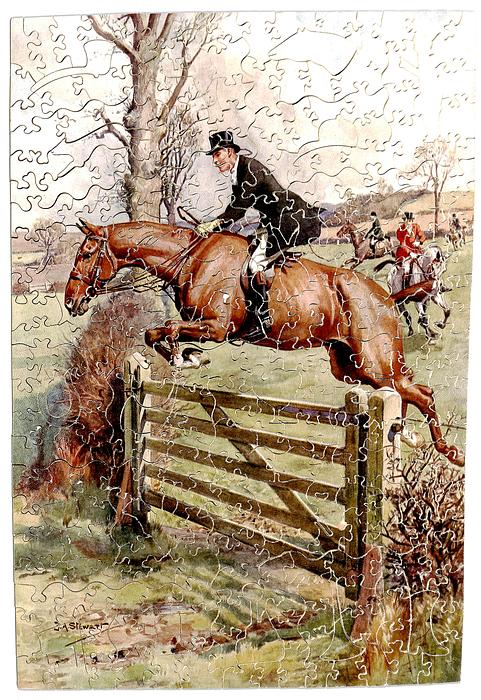
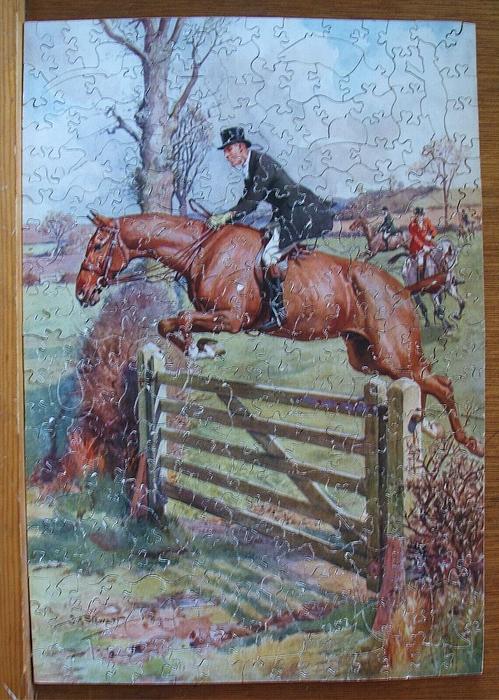
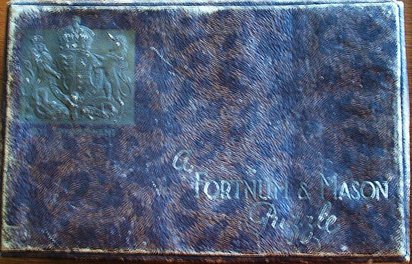
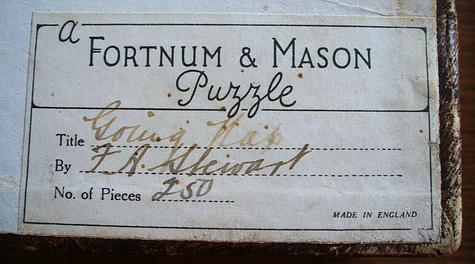
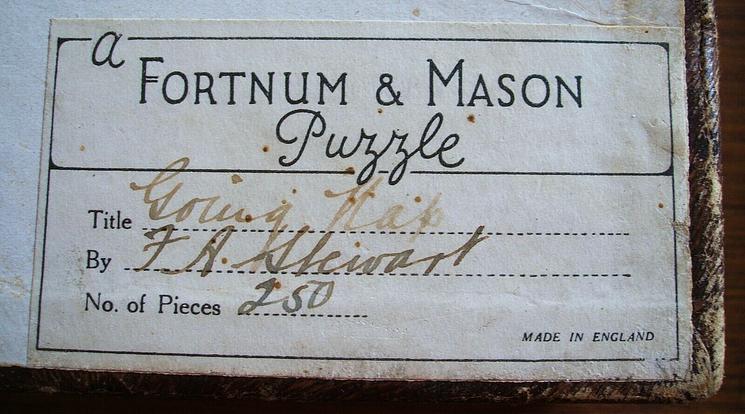
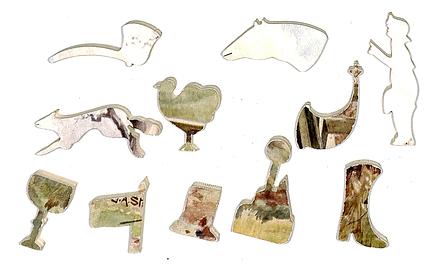
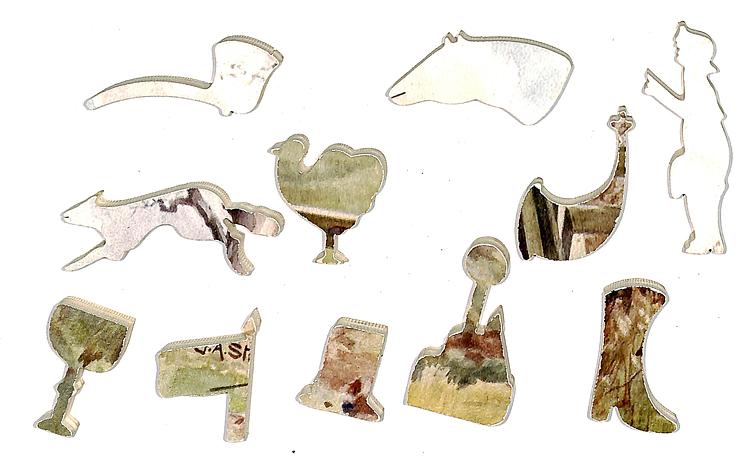
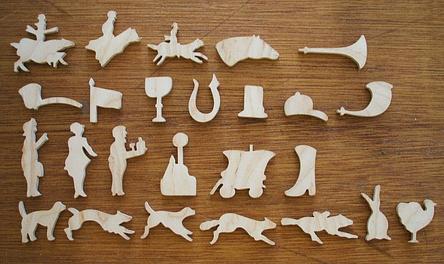
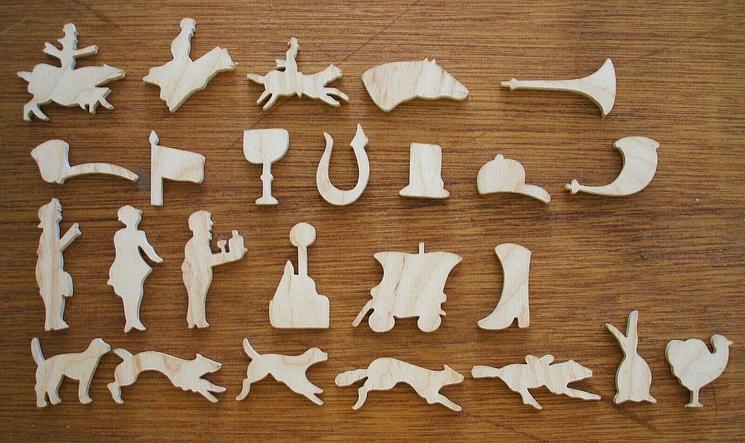
Manufactured by Raphael Tuck & Sons (not stated) but sold by Fortnum and Mason, 250 pieces as sated on box, wooden, with box, interlocking style with many figurals, Might not belong in the zag-zaw set and might not be Tuck as the figurals are not their style
|
|
|
|
Zag-Zaw line of puzzles was first produced in 1909, most incorporate figurals or whimsies, sold in red, orange, or occasionally green boxes with labels on the side or bottom of the box, most without guide pictures. Initially cut non-interlocking but by 1930's became more so. Puzzles have a different cuts so that the same image will come in several versions which means that missing pieces can not be taken from other puzzles with the same image. The puzzle labels are often hand written and come with minor variations in titles and details. Some have a DESIGN category on the label. From my readings this refers to the style of cut, wavy lines, figurals, etc. See also Bob Armstrong's website on old jigsaw puzzles
|
F. A. STEWART
|
|
9 1/2 x 14 in.
|
|
| ||||
| 25477 |






|
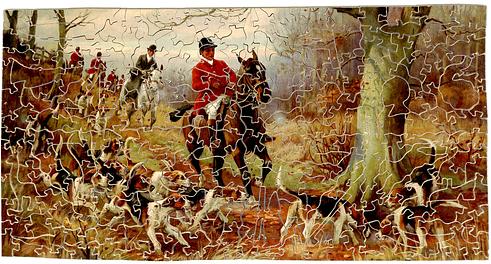
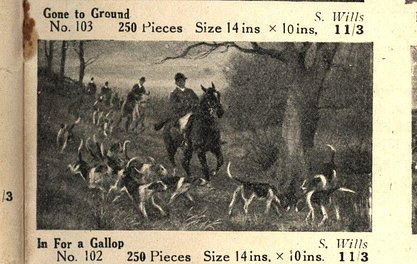
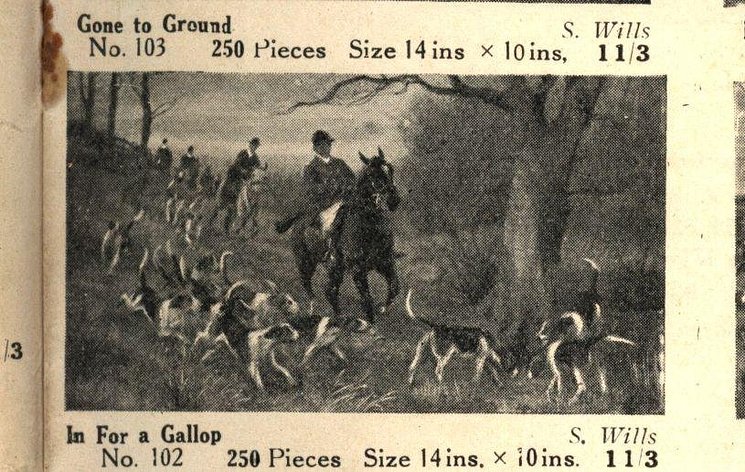
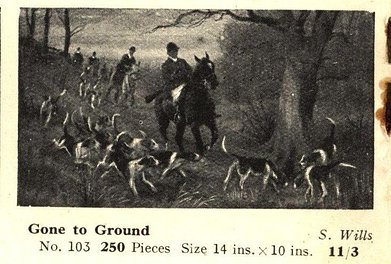
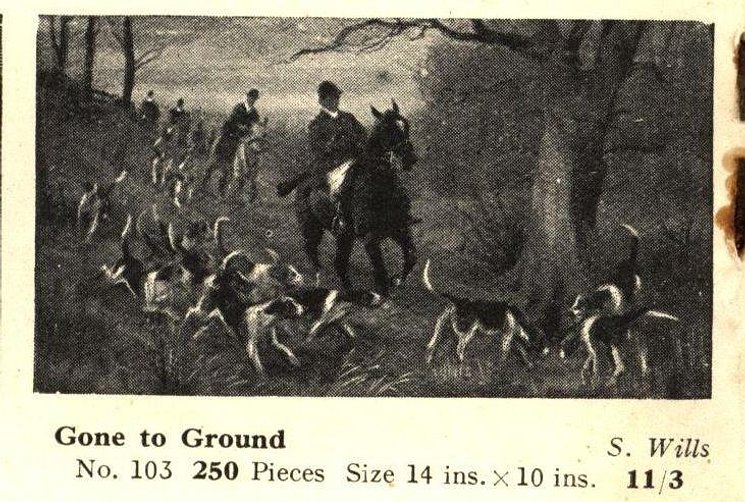
about 250 pieces, wooden, figurals, complete with box, interlocking style, listed and described in the catalogs as being number 103, also comes titled as IN FOR A GALLOP and numbered 102 in the catalogs, no label on box
|
|
|
|
Zag-Zaw line of puzzles was first produced in 1909, most incorporate figurals or whimsies, sold in red, orange, or occasionally green boxes with labels on the side or bottom of the box, most without guide pictures. Initially cut non-interlocking but by 1930's became more so. Puzzles have a different cuts so that the same image will come in several versions which means that missing pieces can not be taken from other puzzles with the same image. The puzzle labels are often hand written and come with minor variations in titles and details. Some have a DESIGN category on the label. From my readings this refers to the style of cut, wavy lines, figurals, etc. See also Bob Armstrong's website on old jigsaw puzzles
|
S. WILLS probably a pseudonym for John Sanderson-Wells (1872-1955)
|
|
17 1/2 x 9 1/4 in.
|
|
| ||||
| 25478 |













|
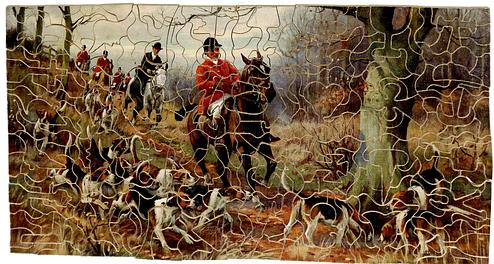
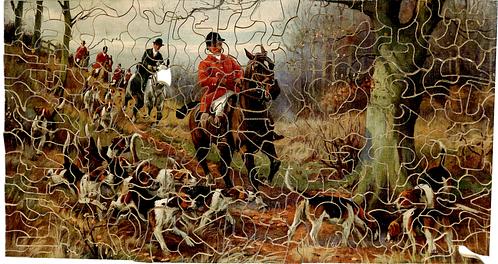
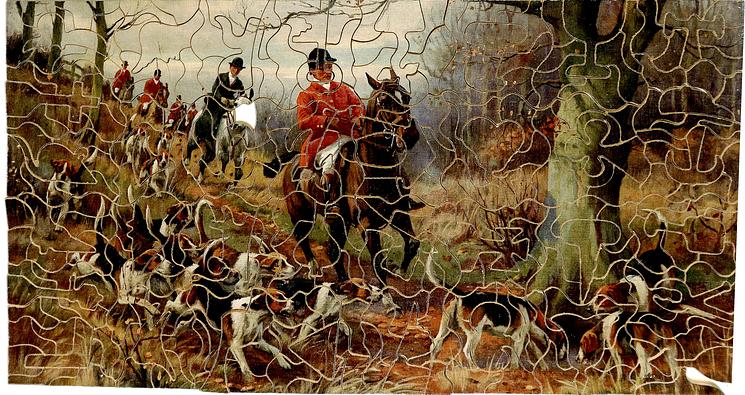
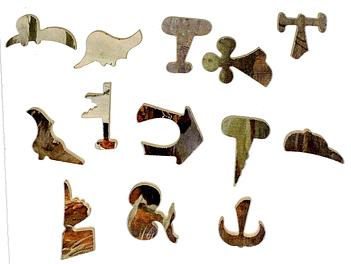
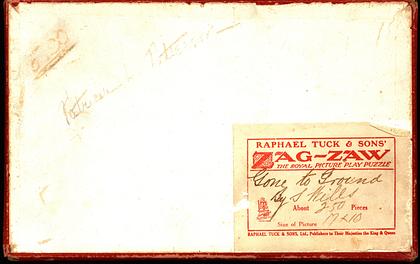
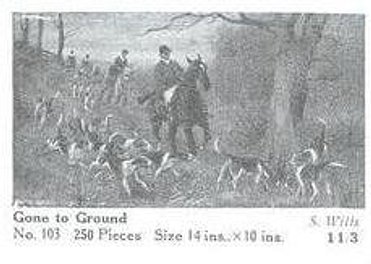
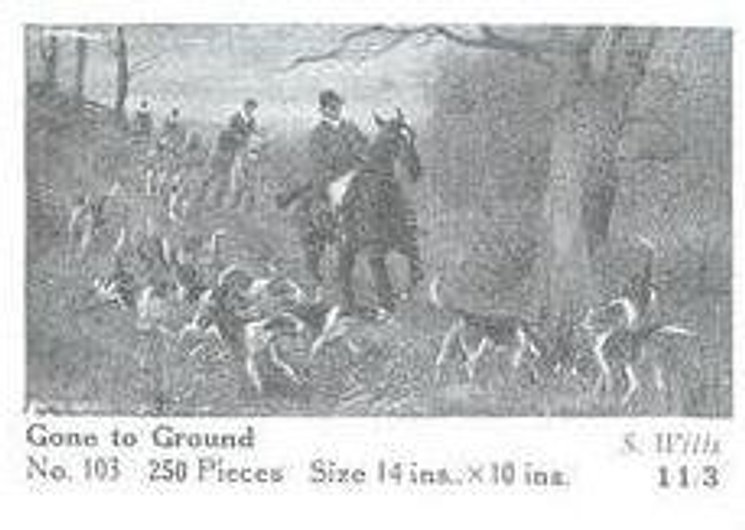
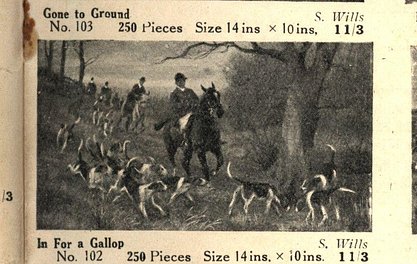
about 250 pieces, wooden, figurals, two pieces missing and replacements made, with box, push fit, listed and described in the catalogs as being number 103, also comes titled as IN FOR A GALLOP and numbered 102 in the catalogs
|
|
|
|
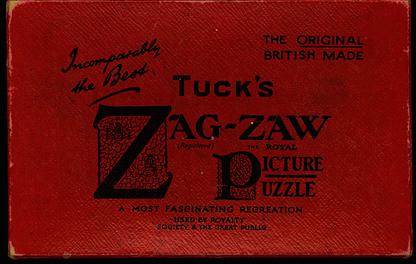
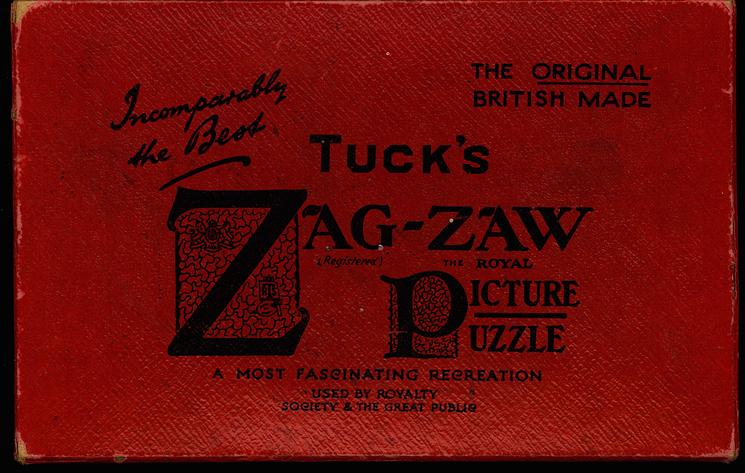
Zag-Zaw line of puzzles was first produced in 1909, most incorporate figurals or whimsies, sold in red, orange, or occasionally green boxes with labels on the side or bottom of the box, most without guide pictures. Initially cut non-interlocking but by 1930's became more so. Puzzles have a different cuts so that the same image will come in several versions which means that missing pieces can not be taken from other puzzles with the same image. The puzzle labels are often hand written and come with minor variations in titles and details. Some have a DESIGN category on the label. From my readings this refers to the style of cut, wavy lines, figurals, etc. See also Bob Armstrong's website on old jigsaw puzzles
|
S. WILLS probably a pseudonym for John Sanderson-Wells (1872-1955)
|
|
17 1/2 x 9 1/4 in.
|
|
| ||||
| 25479 |







|
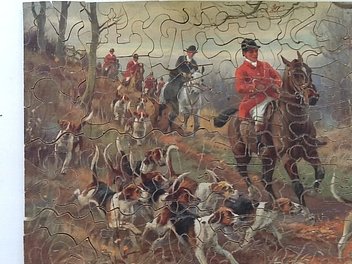
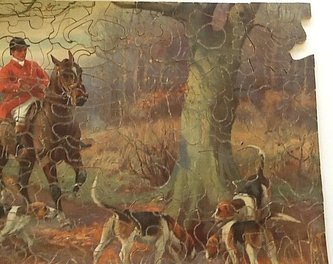
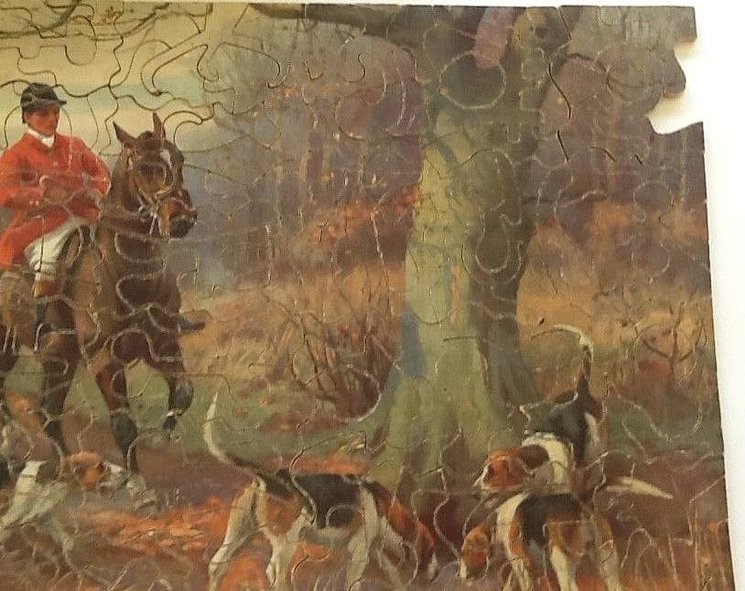
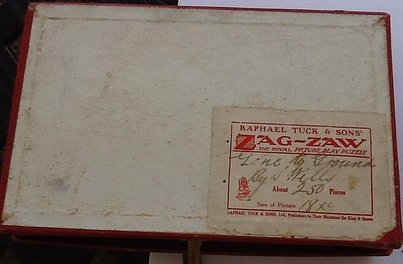
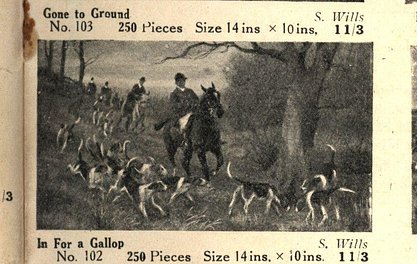
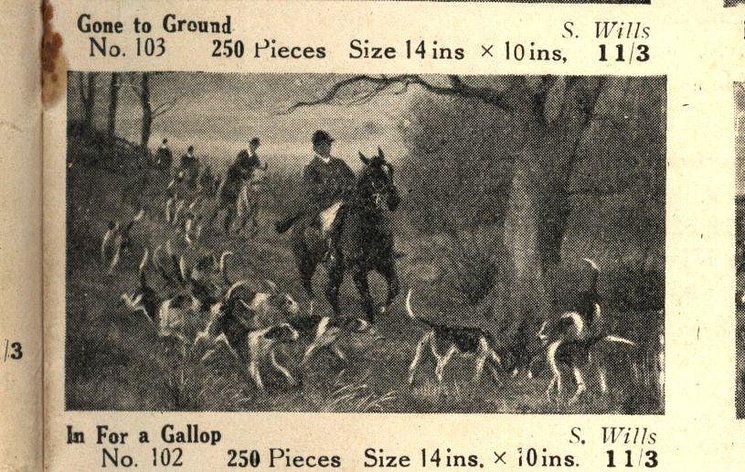
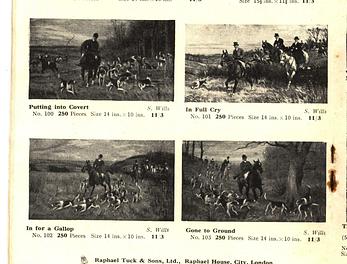
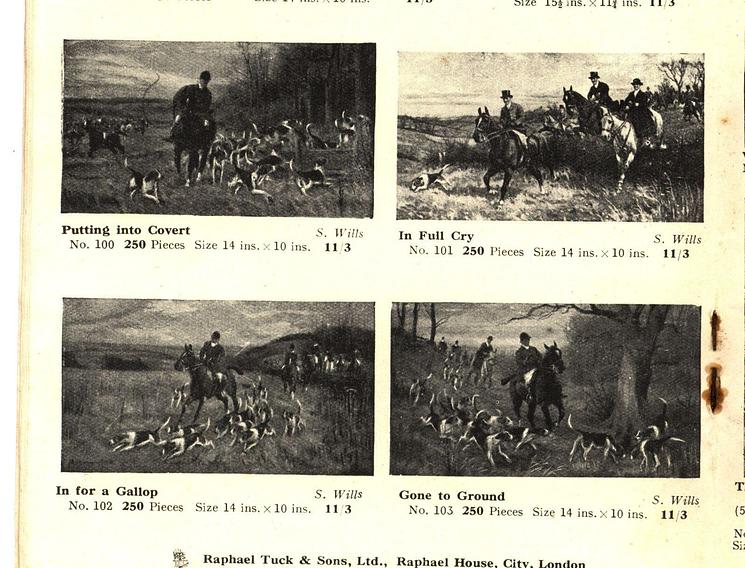
ABOUT 250 PIECES, listed and described in the catalogs as being number 103, listed and described in the catalogs as being number 103, also comes titled as IN FOR A GALLOP and numbered 102 in the catalogs
|
|
|
|
Zag-Zaw line of puzzles was first produced in 1909, most incorporate figurals or whimsies, sold in red, orange, or occasionally green boxes with labels on the side or bottom of the box, most without guide pictures. Initially cut non-interlocking but by 1930's became more so. Puzzles have a different cuts so that the same image will come in several versions which means that missing pieces can not be taken from other puzzles with the same image. The puzzle labels are often hand written and come with minor variations in titles and details. Some have a DESIGN category on the label. From my readings this refers to the style of cut, wavy lines, figurals, etc. See also Bob Armstrong's website on old jigsaw puzzles
|
S. Wills probably a pseudonym for John Sanderson-Wells (1872-1955)
|
|
17 1/2 x 9 1/2 in.
|
|
| ||||
| 25480 |







|
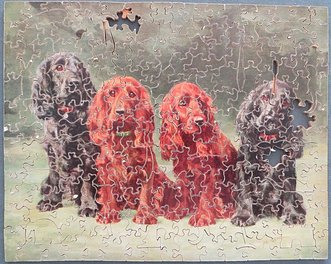
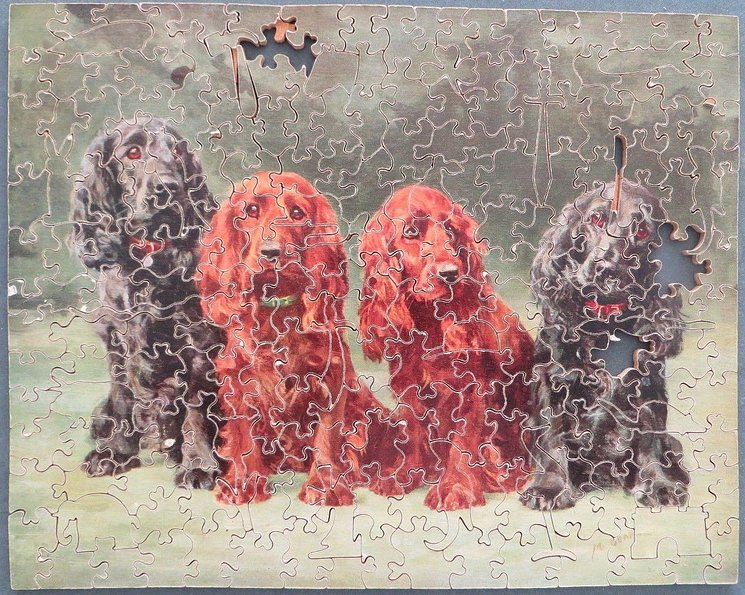
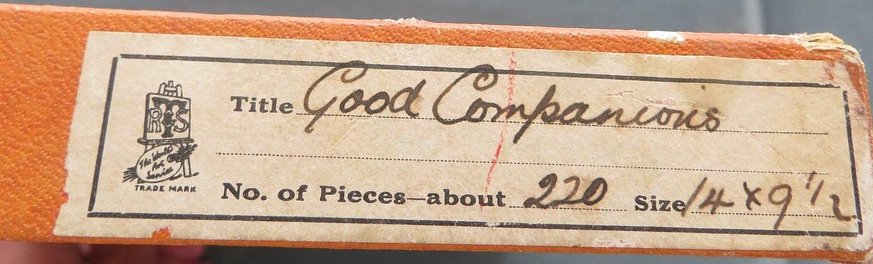
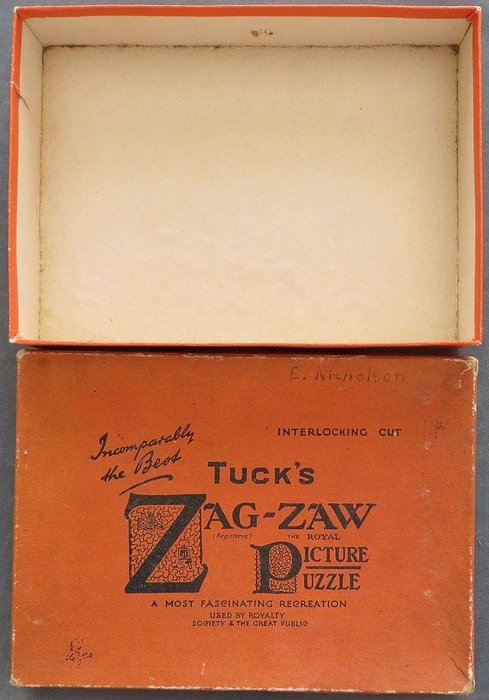
220 wooden push-fit pieces with several whimsies,
|
|
|
|
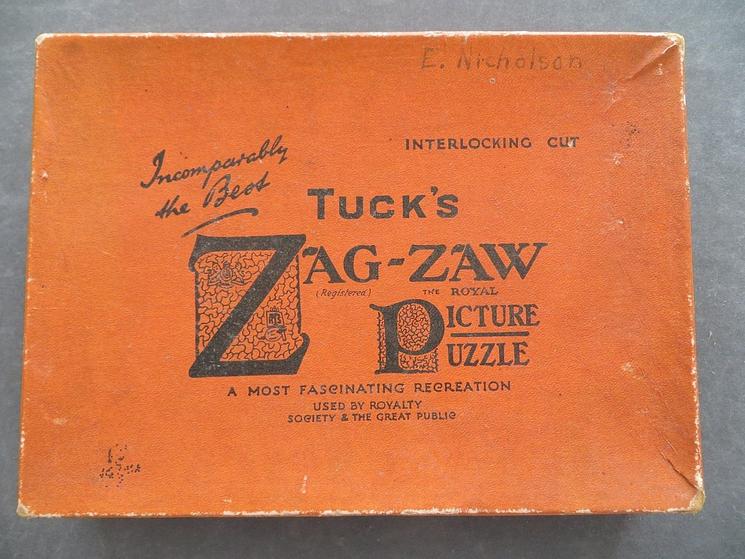
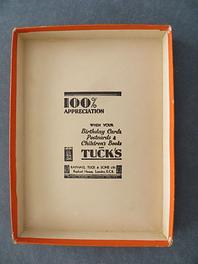
Zag-Zaw line of puzzles was first produced in 1909, most incorporate figurals or whimsies, sold in red, orange, or occasionally green boxes with labels on the side or bottom of the box, most without guide pictures. Initially cut non-interlocking but by 1930's became more so. Puzzles have a different cuts so that the same image will come in several versions which means that missing pieces can not be taken from other puzzles with the same image. The puzzle labels are often hand written and come with minor variations in titles and details. Some have a DESIGN category on the label. From my readings this refers to the style of cut, wavy lines, figurals, etc. See also Bob Armstrong's website on old jigsaw puzzles
|
|
|
14 x 9.5 in.
|
|
|
|