All Items
27,432 items
|
Title
|
Images
|
Item Comment
|
Prefix
|
Number
|
In set
|
Set
|
Set Comment
|
Type
|
Artist
|
Author
|
Size
|
Topics
|
Set Covers
|
Reference
| |
|---|---|---|---|---|---|---|---|---|---|---|---|---|---|---|---|
| 25561 |

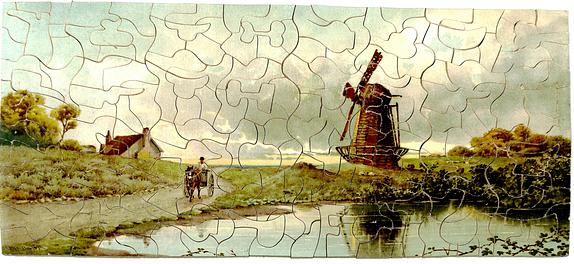


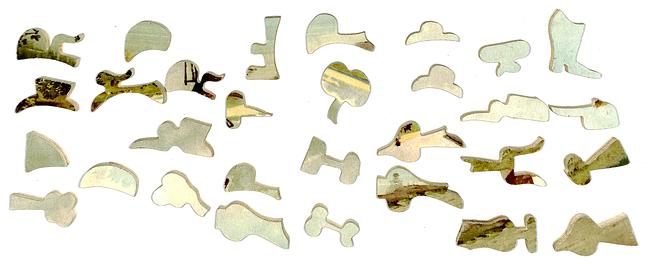


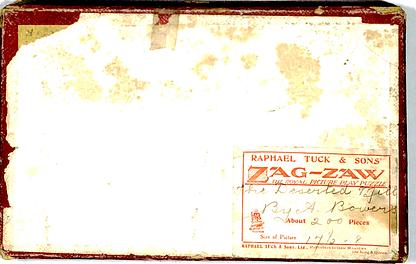
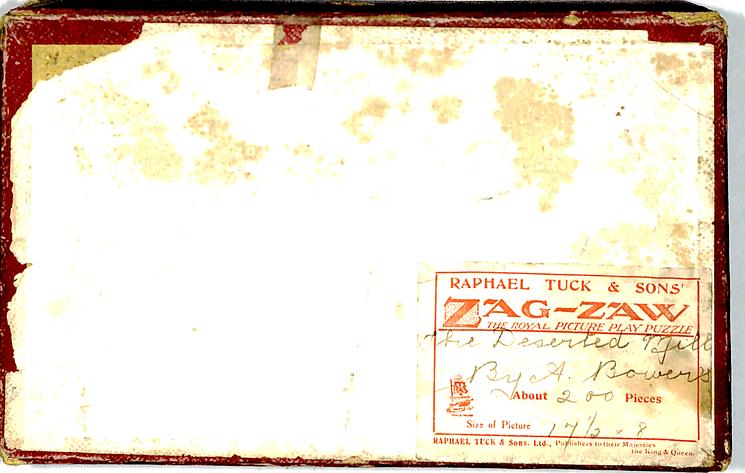





|
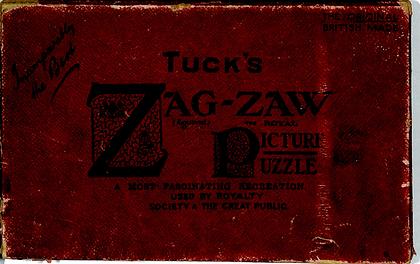
about 200 pieces, wooden, figurals, complete with box, one piece broken but still present, push fit style, listed and described in the catalogs as number 213
|
|
|
|
Zag-Zaw line of puzzles was first produced in 1909, most incorporate figurals or whimsies, sold in red, orange, or occasionally green boxes with labels on the side or bottom of the box, most without guide pictures. Initially cut non-interlocking but by 1930's became more so. Puzzles have a different cuts so that the same image will come in several versions which means that missing pieces can not be taken from other puzzles with the same image. The puzzle labels are often hand written and come with minor variations in titles and details. Some have a DESIGN category on the label. From my readings this refers to the style of cut, wavy lines, figurals, etc. See also Bob Armstrong's website on old jigsaw puzzles
|
ALBERT BOWERS
|
|
18 1/4 x 8 in.
|
|
|
| |||
| 25562 |









|
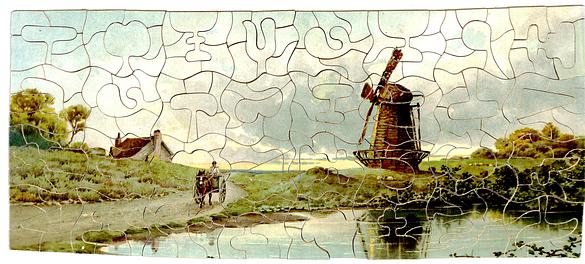
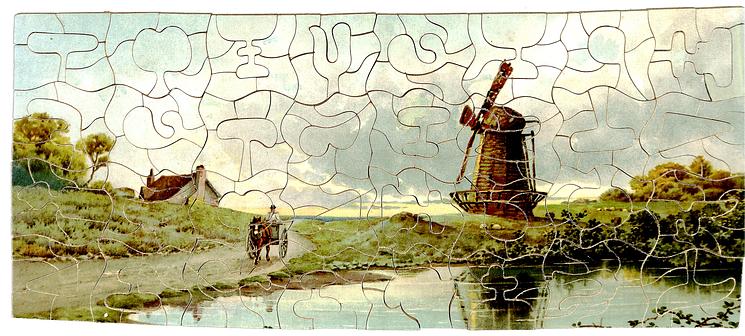
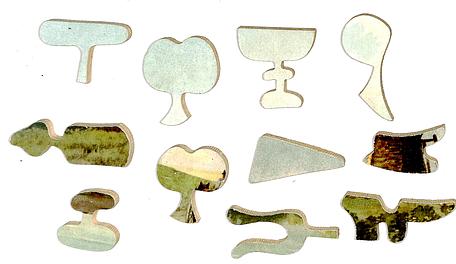
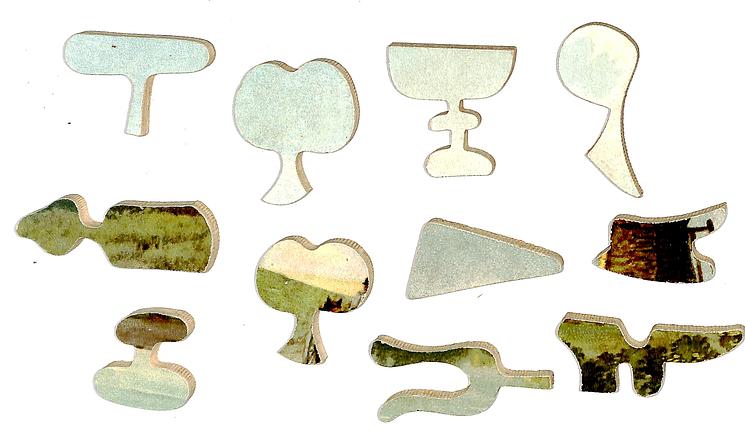
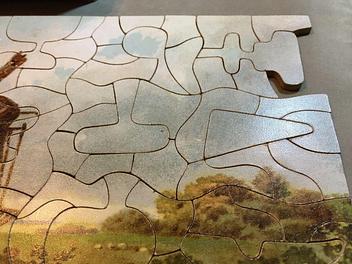
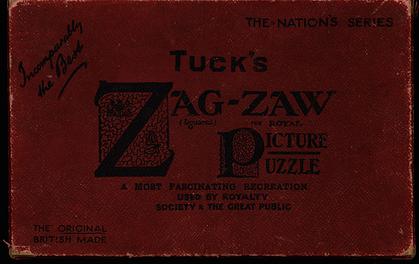
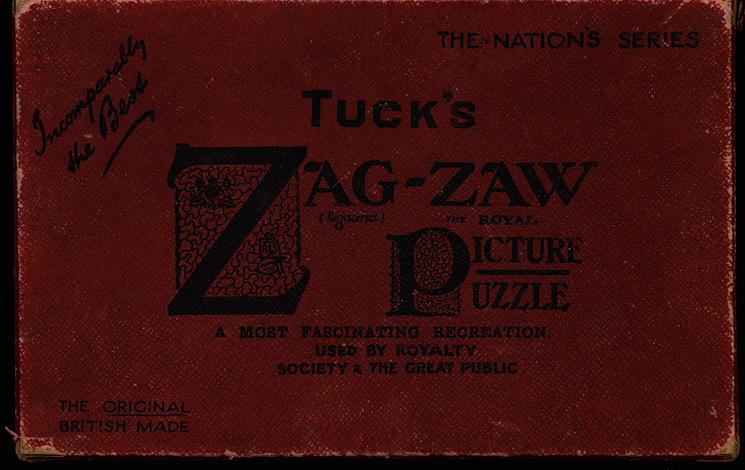
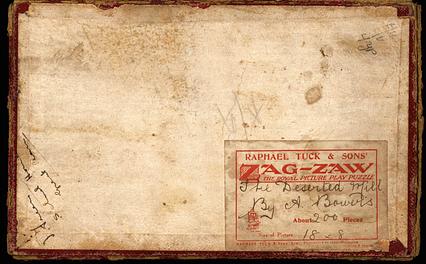
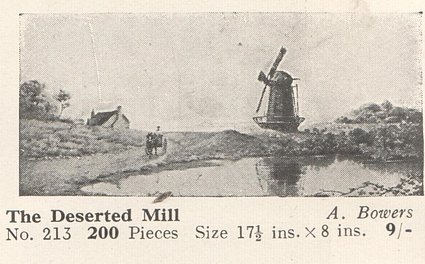
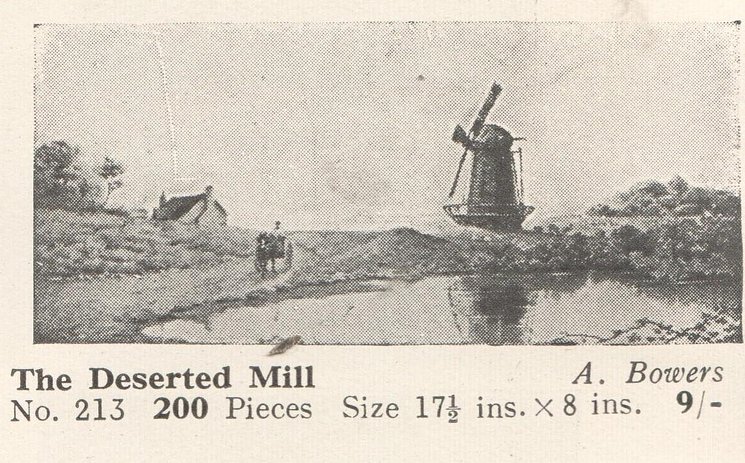
about 200 pieces, wooden, figurals, with box, one piece missing and replaced, push fit style, part of THE NATION'S SERIES (on box), listed and described in the catalogs as number 213
|
|
|
|
Zag-Zaw line of puzzles was first produced in 1909, most incorporate figurals or whimsies, sold in red, orange, or occasionally green boxes with labels on the side or bottom of the box, most without guide pictures. Initially cut non-interlocking but by 1930's became more so. Puzzles have a different cuts so that the same image will come in several versions which means that missing pieces can not be taken from other puzzles with the same image. The puzzle labels are often hand written and come with minor variations in titles and details. Some have a DESIGN category on the label. From my readings this refers to the style of cut, wavy lines, figurals, etc. See also Bob Armstrong's website on old jigsaw puzzles
|
A. BOWERS
|
|
18 x 8 in.
|
|
|
| |||
| 25563 |










|
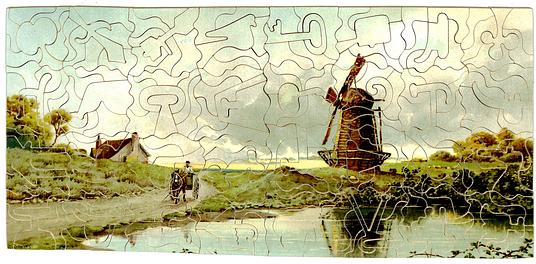
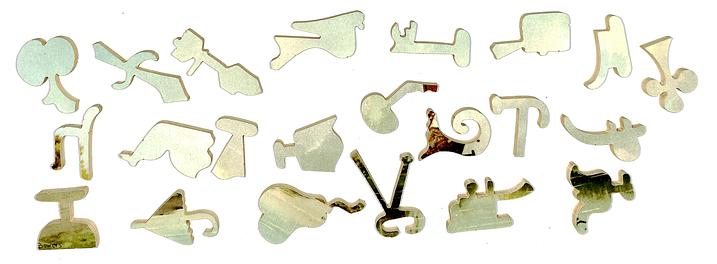
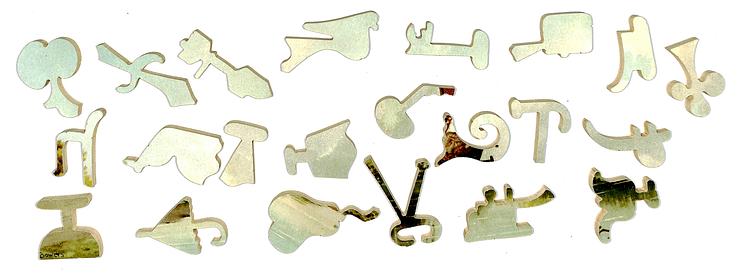
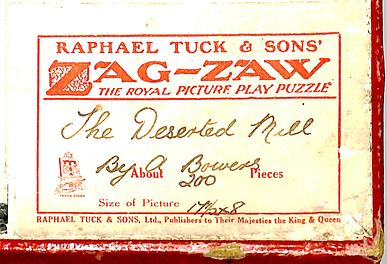
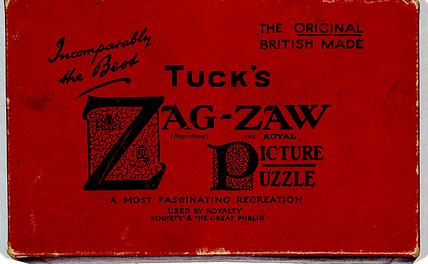
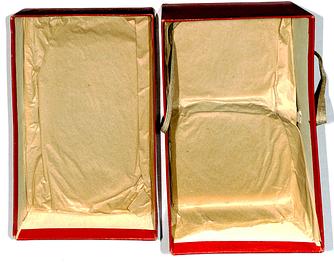
about 200 pieces, wooden, figurals, push fit, complete with box, listed and described in the catalogs as number 213
|
|
|
|
Zag-Zaw line of puzzles was first produced in 1909, most incorporate figurals or whimsies, sold in red, orange, or occasionally green boxes with labels on the side or bottom of the box, most without guide pictures. Initially cut non-interlocking but by 1930's became more so. Puzzles have a different cuts so that the same image will come in several versions which means that missing pieces can not be taken from other puzzles with the same image. The puzzle labels are often hand written and come with minor variations in titles and details. Some have a DESIGN category on the label. From my readings this refers to the style of cut, wavy lines, figurals, etc. See also Bob Armstrong's website on old jigsaw puzzles
|
ALBERT BOWERS
|
|
17 x 8 in.
|
|
|
| |||
| 25564 |








|
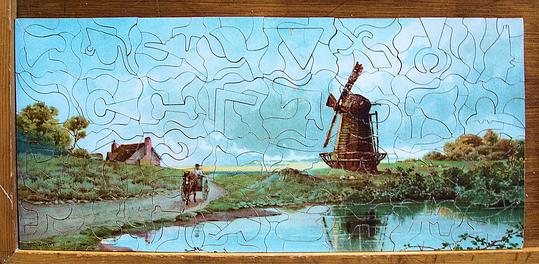
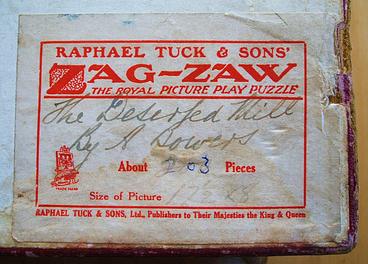
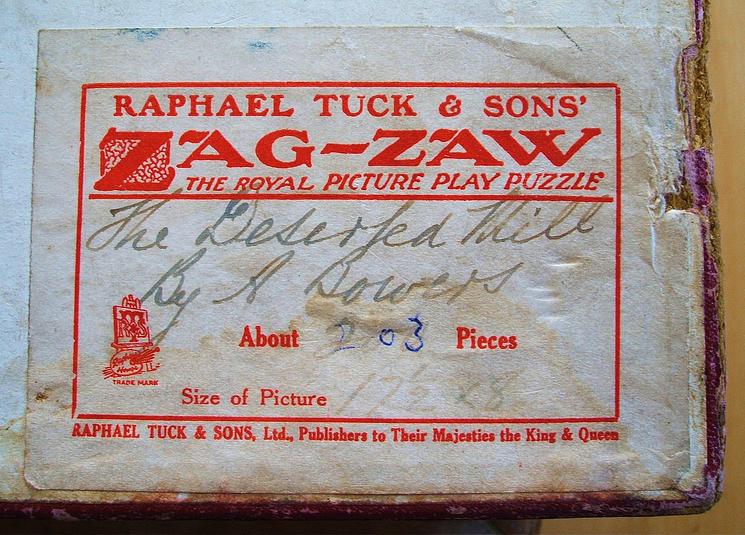
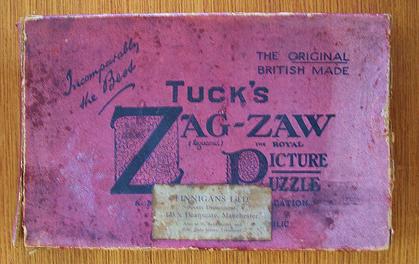
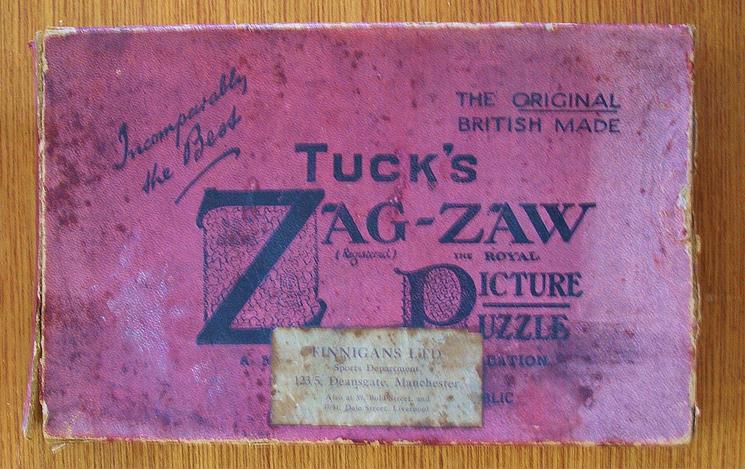
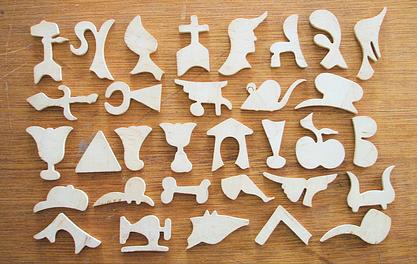
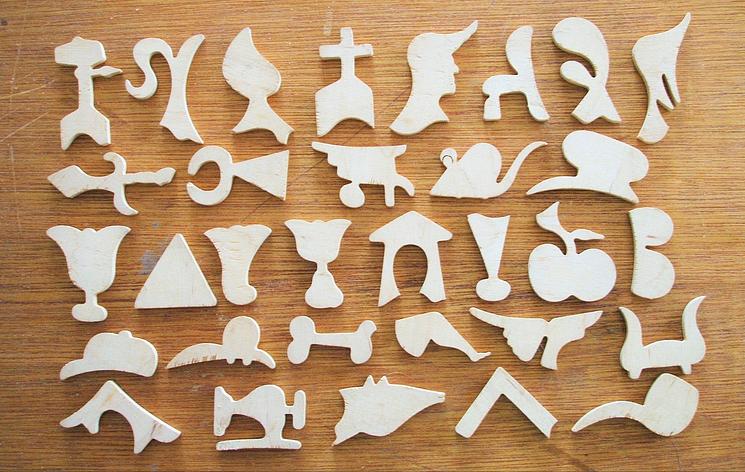
200 pieces, several whimsies, listed and described in the catalogs as number 213
|
|
|
|
Zag-Zaw line of puzzles was first produced in 1909, most incorporate figurals or whimsies, sold in red, orange, or occasionally green boxes with labels on the side or bottom of the box, most without guide pictures. Initially cut non-interlocking but by 1930's became more so. Puzzles have a different cuts so that the same image will come in several versions which means that missing pieces can not be taken from other puzzles with the same image. The puzzle labels are often hand written and come with minor variations in titles and details. Some have a DESIGN category on the label. From my readings this refers to the style of cut, wavy lines, figurals, etc. See also Bob Armstrong's website on old jigsaw puzzles
|
ALBERT BOWERS
|
|
17.75 x 8 in.
|
|
|
| |||
| 25565 |








|
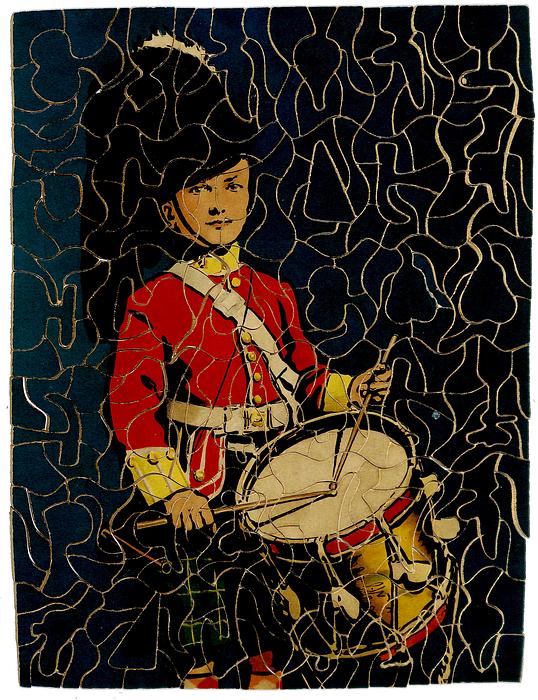
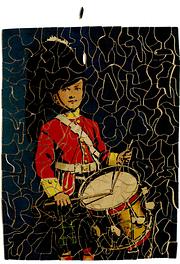
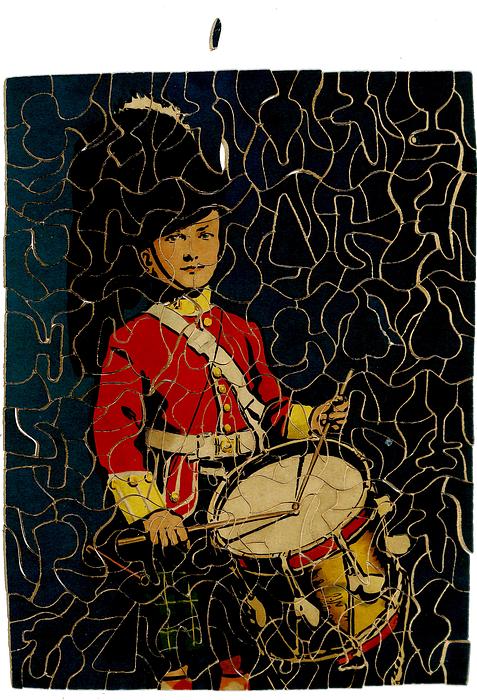
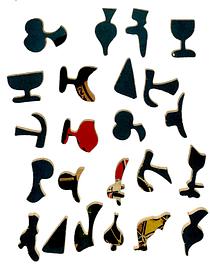
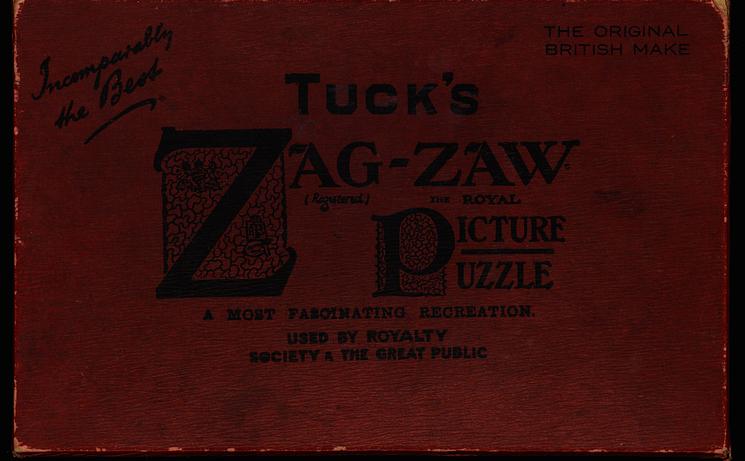
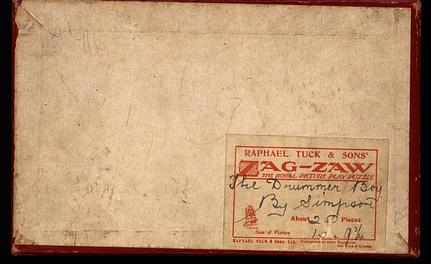
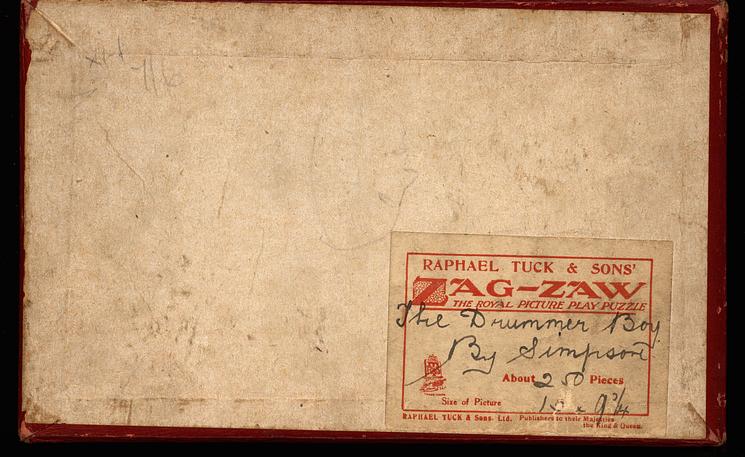
about 250 pieces, mahogany wood, figurals, complete but two nibs broken and present, push fit style
|
|
|
|
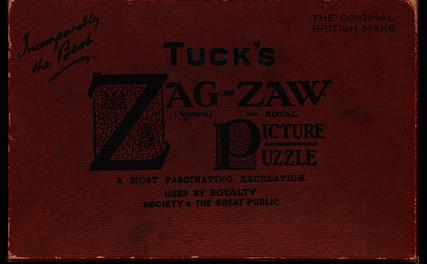
Zag-Zaw line of puzzles was first produced in 1909, most incorporate figurals or whimsies, sold in red, orange, or occasionally green boxes with labels on the side or bottom of the box, most without guide pictures. Initially cut non-interlocking but by 1930's became more so. Puzzles have a different cuts so that the same image will come in several versions which means that missing pieces can not be taken from other puzzles with the same image. The puzzle labels are often hand written and come with minor variations in titles and details. Some have a DESIGN category on the label. From my readings this refers to the style of cut, wavy lines, figurals, etc. See also Bob Armstrong's website on old jigsaw puzzles
|
SIMPSON
|
|
9 3/4 x 14 1/2 in.
|
|
|
| |||
| 25566 |














|
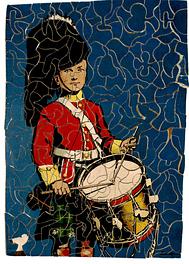
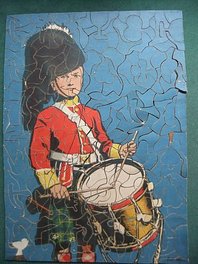
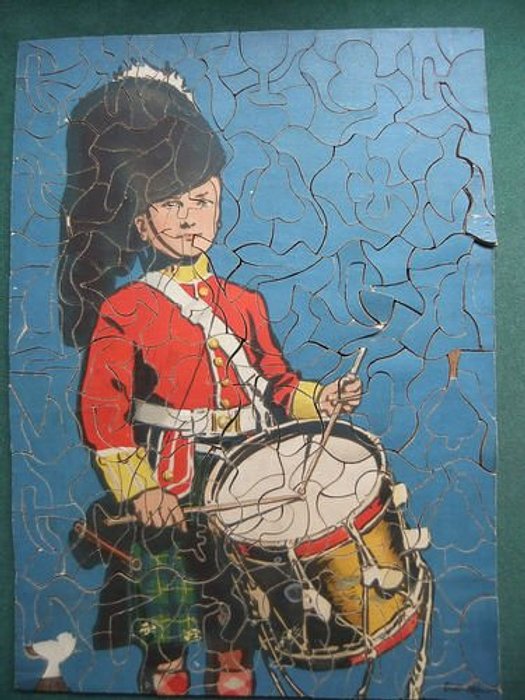
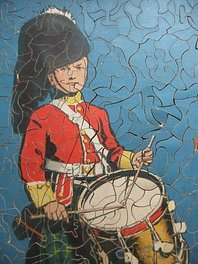
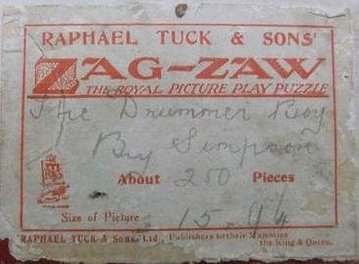
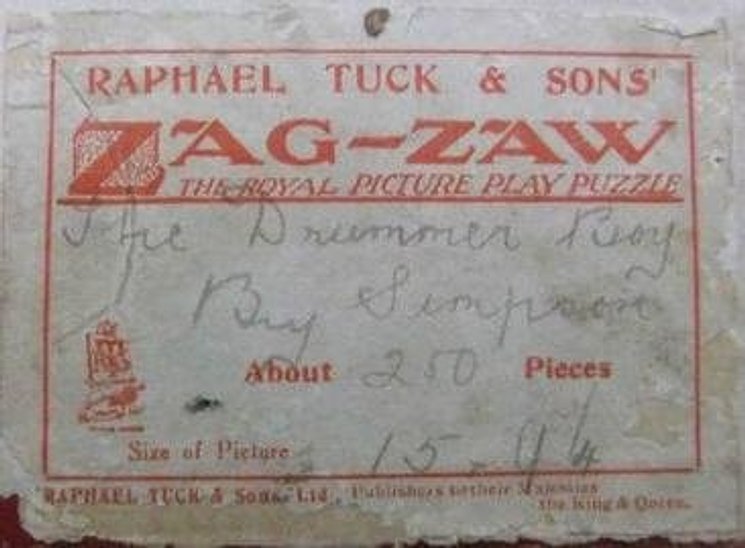
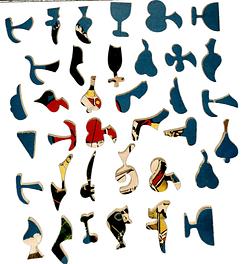
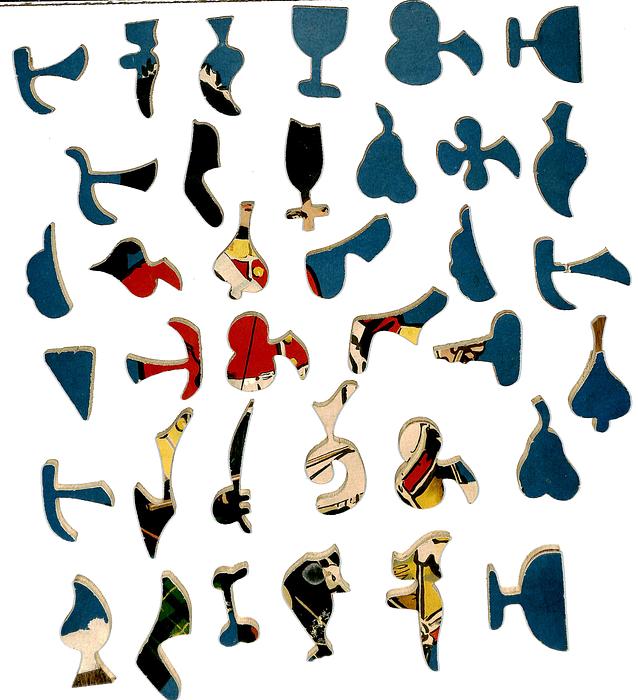
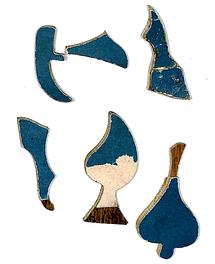
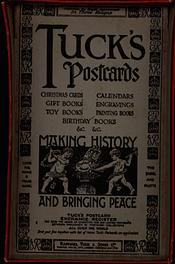
250 pieces, wooden, figurals, complete but several damaged pieces, push fit style,
|
|
|
|
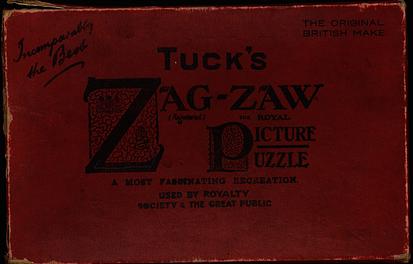
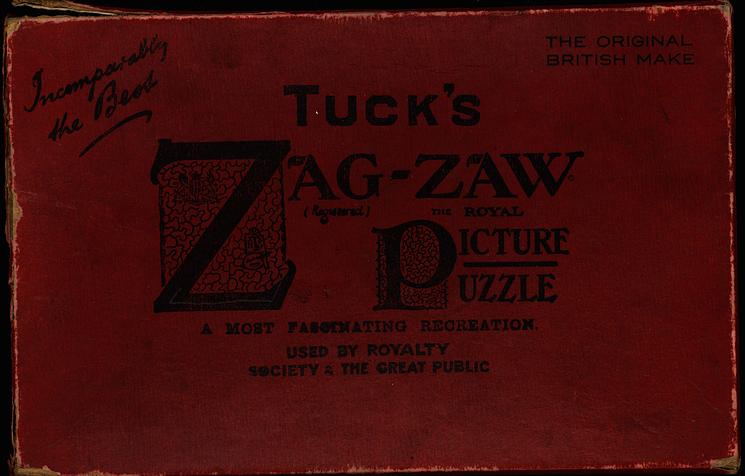
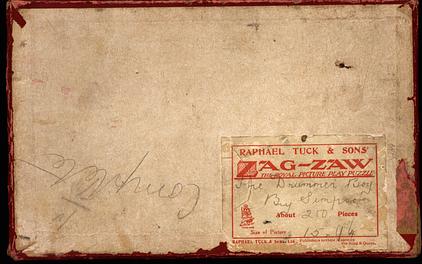
Zag-Zaw line of puzzles was first produced in 1909, most incorporate figurals or whimsies, sold in red, orange, or occasionally green boxes with labels on the side or bottom of the box, most without guide pictures. Initially cut non-interlocking but by 1930's became more so. Puzzles have a different cuts so that the same image will come in several versions which means that missing pieces can not be taken from other puzzles with the same image. The puzzle labels are often hand written and come with minor variations in titles and details. Some have a DESIGN category on the label. From my readings this refers to the style of cut, wavy lines, figurals, etc. See also Bob Armstrong's website on old jigsaw puzzles
|
SIMPSON
|
|
9 3/4 x 14 1/2 in.
|
|
| ||||
| 25567 |








|
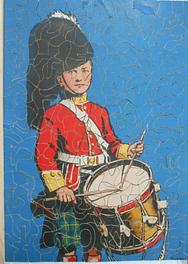
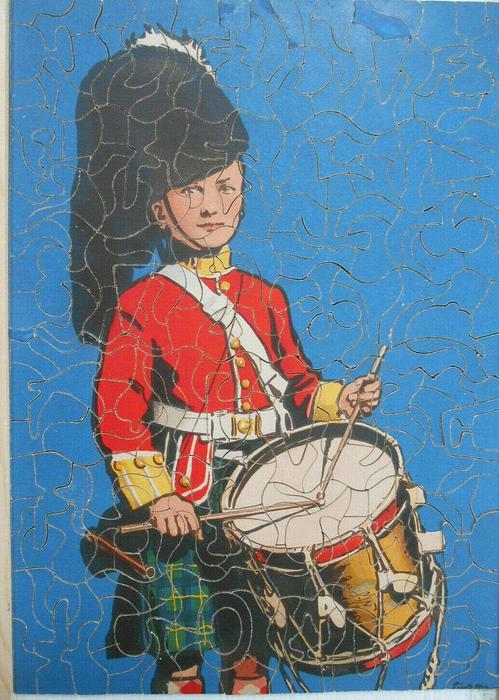
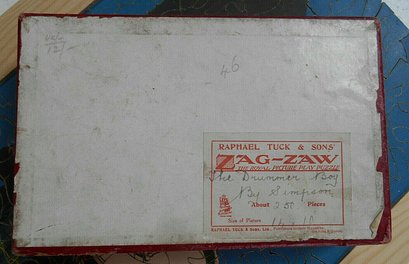
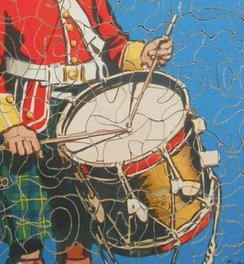
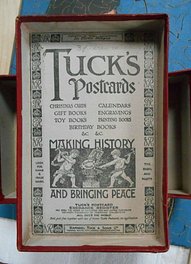
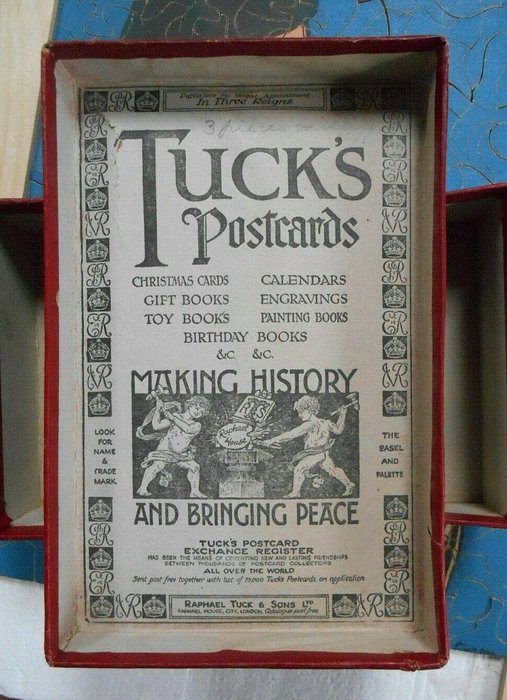
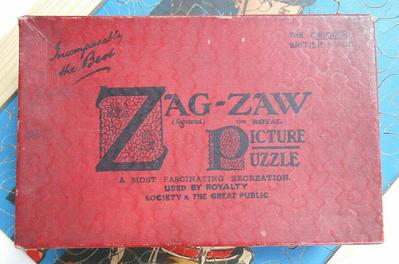
about 250 pieces, wooden, figurals, with box, one piece replaced and two small ones missing, push fit style
|
|
|
|
Zag-Zaw line of puzzles was first produced in 1909, most incorporate figurals or whimsies, sold in red, orange, or occasionally green boxes with labels on the side or bottom of the box, most without guide pictures. Initially cut non-interlocking but by 1930's became more so. Puzzles have a different cuts so that the same image will come in several versions which means that missing pieces can not be taken from other puzzles with the same image. The puzzle labels are often hand written and come with minor variations in titles and details. Some have a DESIGN category on the label. From my readings this refers to the style of cut, wavy lines, figurals, etc. See also Bob Armstrong's website on old jigsaw puzzles
|
SIMPSON
|
|
10 x 14 in.
|
|
|
| |||
| 25568 |





|
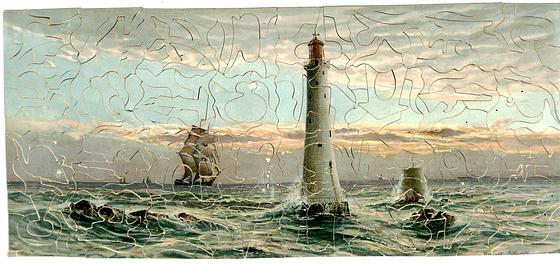
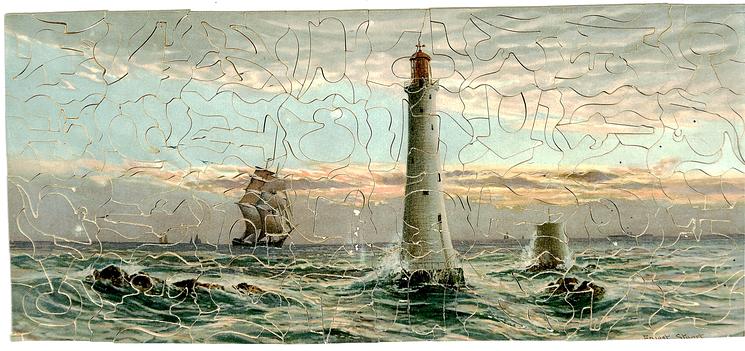
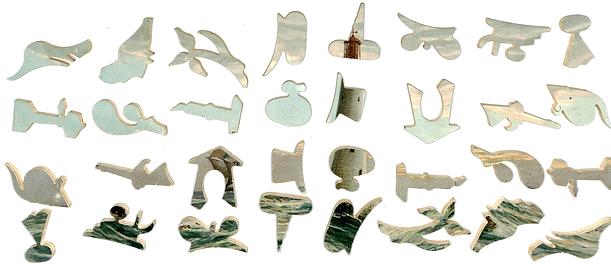
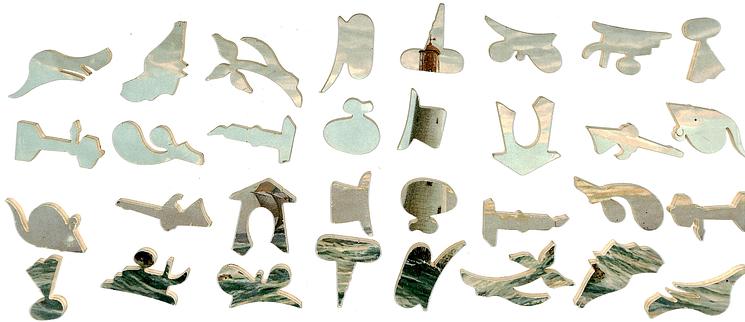
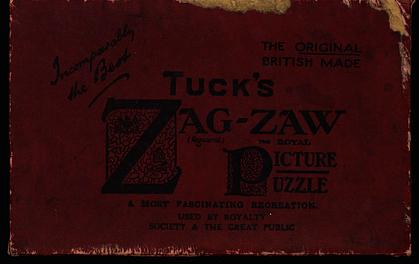
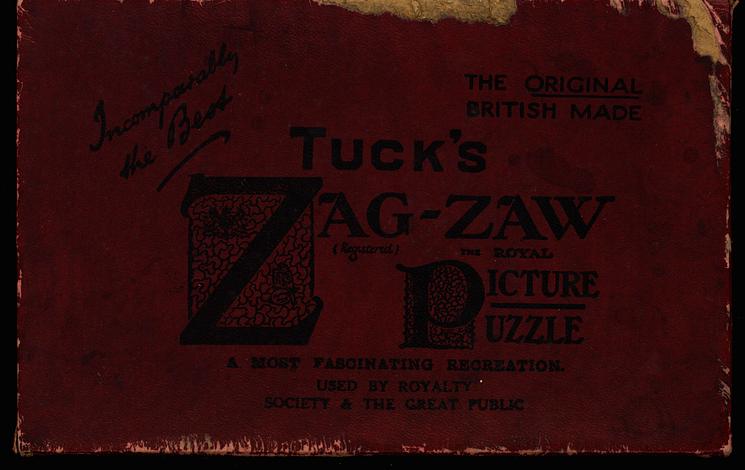
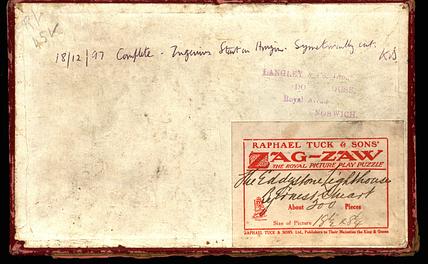
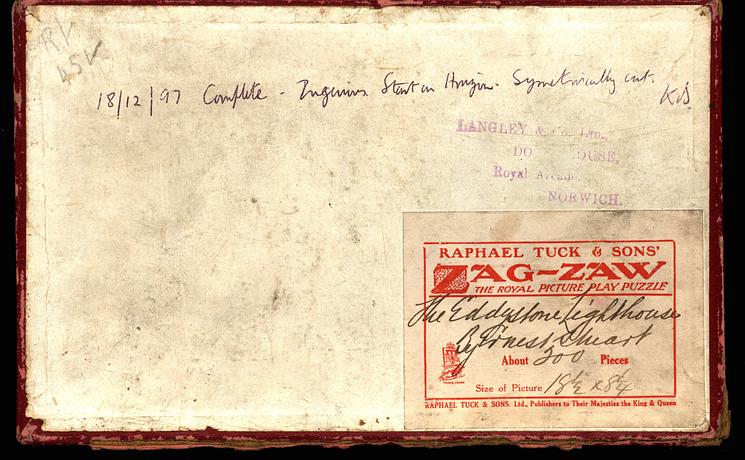
about 200 pieces, wooden, figurals, complete with box, push fit style, listed and described in the catalogs as number 253. Also comes as numbered puzzle 513. Also comes listed as EDDYSTONE LIGHTHOUSE.
|
|
|
|
Zag-Zaw line of puzzles was first produced in 1909, most incorporate figurals or whimsies, sold in red, orange, or occasionally green boxes with labels on the side or bottom of the box, most without guide pictures. Initially cut non-interlocking but by 1930's became more so. Puzzles have a different cuts so that the same image will come in several versions which means that missing pieces can not be taken from other puzzles with the same image. The puzzle labels are often hand written and come with minor variations in titles and details. Some have a DESIGN category on the label. From my readings this refers to the style of cut, wavy lines, figurals, etc. See also Bob Armstrong's website on old jigsaw puzzles
|
ERNEST STUART
|
|
18 1/3 x 8 1/4 in.
|
|
|
| |||
| 25569 |









|
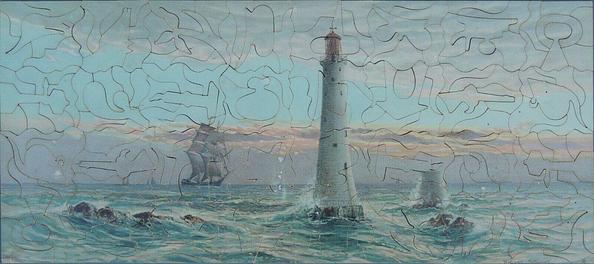
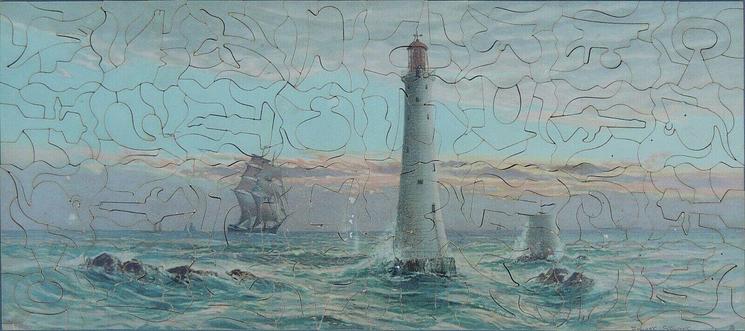
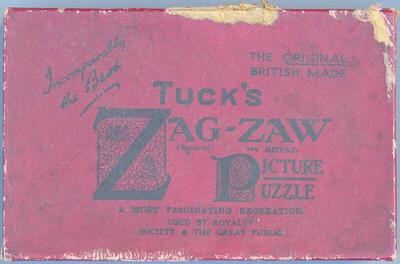
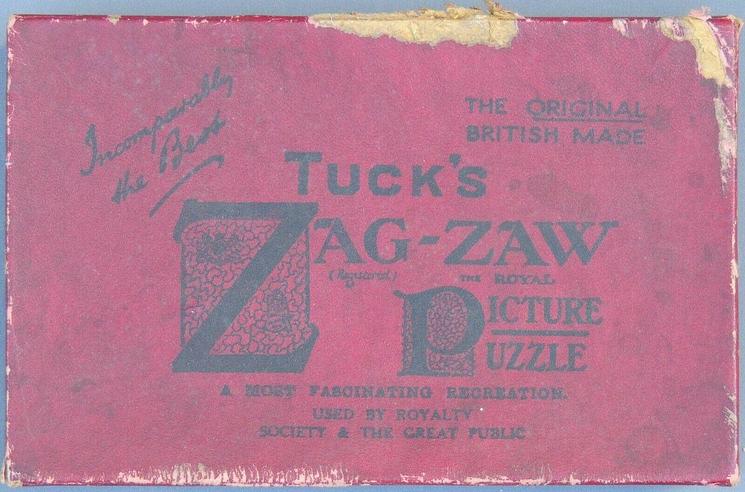
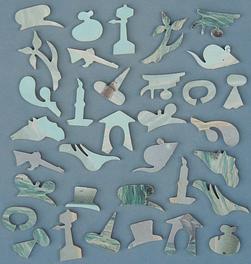
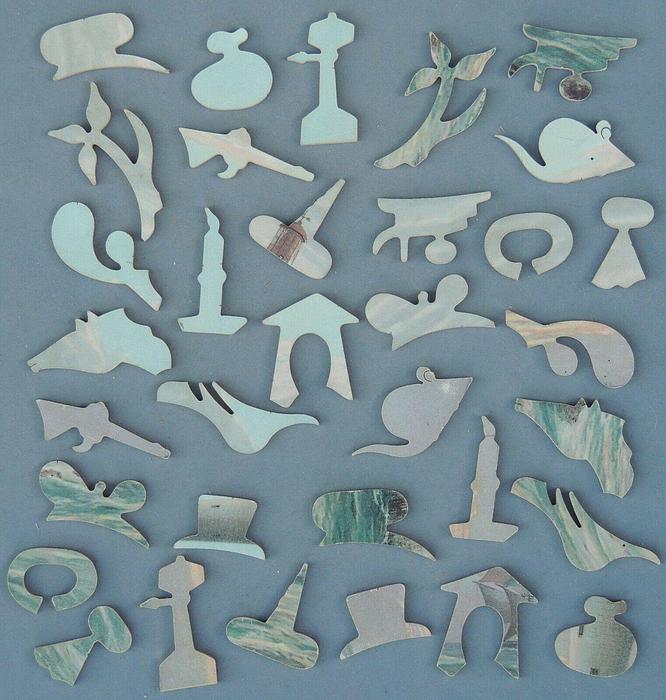
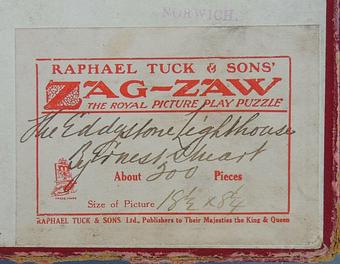
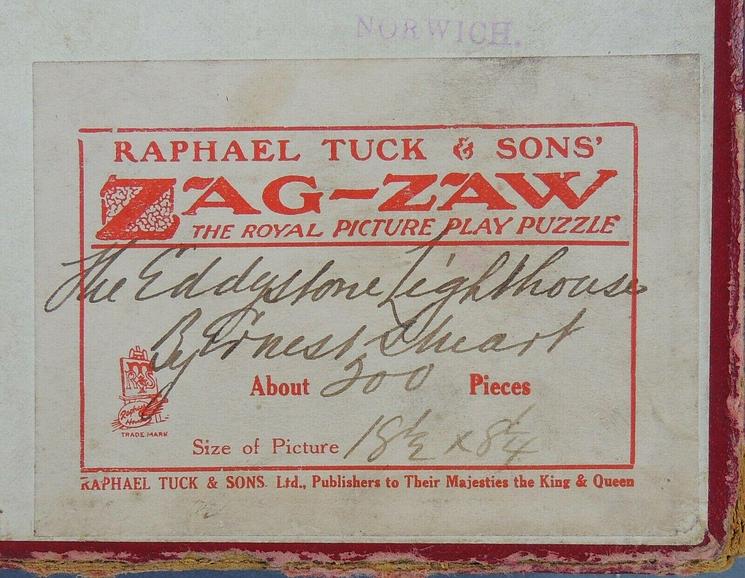
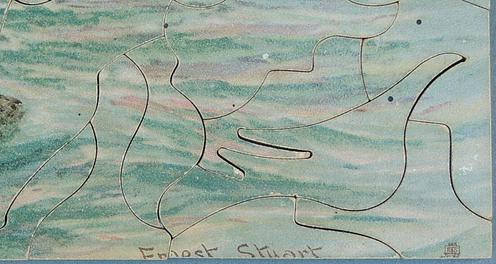
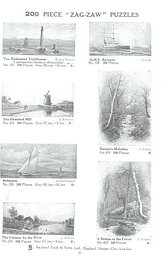
about 200 pieces, wooden, figurals, complete with box, push fit style, listed and described in the catalogs as number 253 Also comes listed as EDDYSTONE LIGHTHOUSE.
|
|
|
|
Zag-Zaw line of puzzles was first produced in 1909, most incorporate figurals or whimsies, sold in red, orange, or occasionally green boxes with labels on the side or bottom of the box, most without guide pictures. Initially cut non-interlocking but by 1930's became more so. Puzzles have a different cuts so that the same image will come in several versions which means that missing pieces can not be taken from other puzzles with the same image. The puzzle labels are often hand written and come with minor variations in titles and details. Some have a DESIGN category on the label. From my readings this refers to the style of cut, wavy lines, figurals, etc. See also Bob Armstrong's website on old jigsaw puzzles
|
ERNEST STUART
|
|
18 1/2 x 8 1/4 in.
|
|
|
| |||
| 25570 |





|
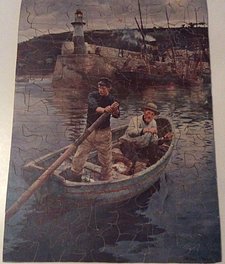
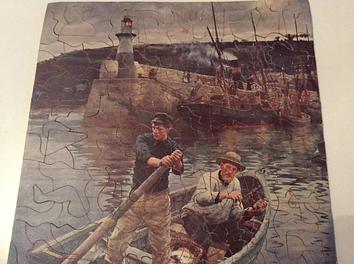
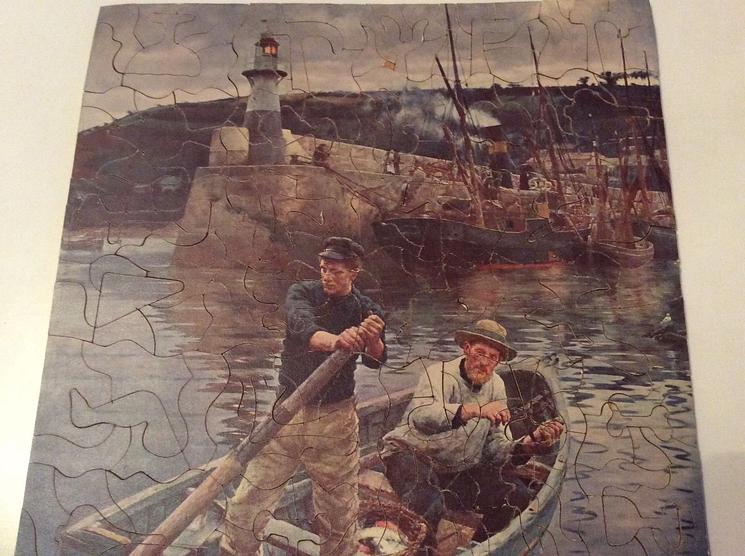
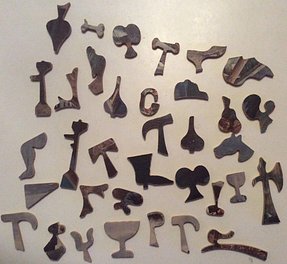
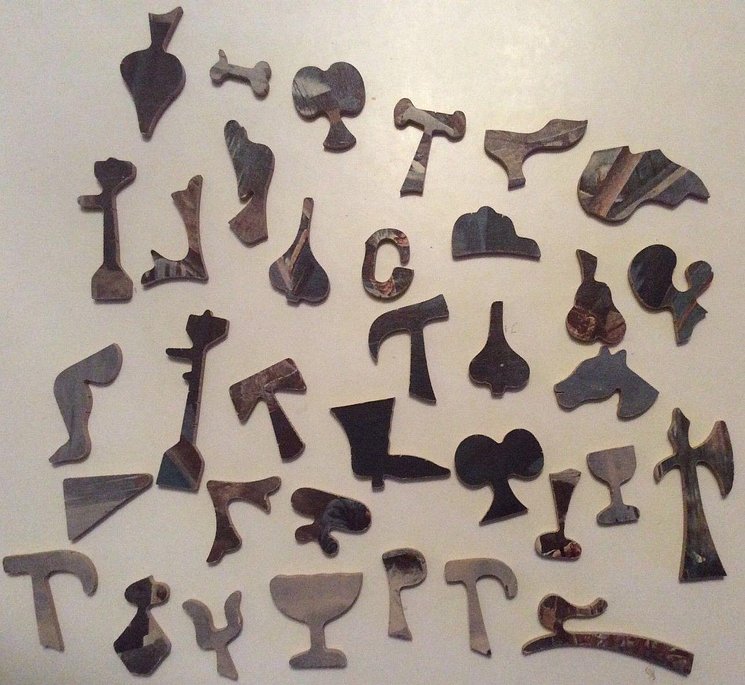
235 pieces, several whimsies, puzzle is titled THE FISHERMEN but the title of the painting is THE LIGHTHOUSE,NEWLYN CORNWALL
|
|
|
|
Zag-Zaw line of puzzles was first produced in 1909, most incorporate figurals or whimsies, sold in red, orange, or occasionally green boxes with labels on the side or bottom of the box, most without guide pictures. Initially cut non-interlocking but by 1930's became more so. Puzzles have a different cuts so that the same image will come in several versions which means that missing pieces can not be taken from other puzzles with the same image. The puzzle labels are often hand written and come with minor variations in titles and details. Some have a DESIGN category on the label. From my readings this refers to the style of cut, wavy lines, figurals, etc. See also Bob Armstrong's website on old jigsaw puzzles
|
S. A. FORBES
|
|
11 x 14 3/4 in.
|
|
| ||||
| 25571 |







|
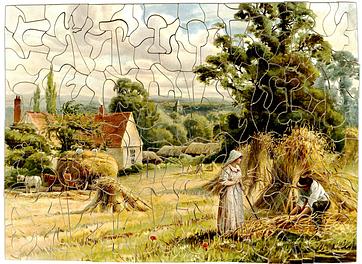
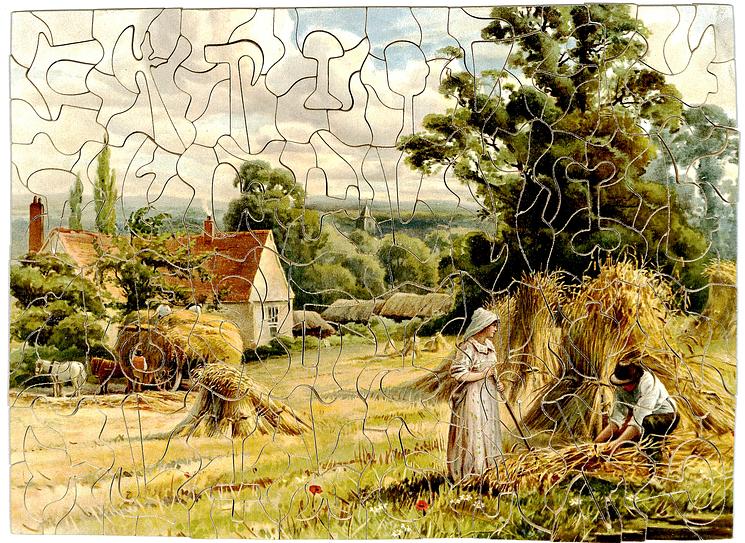
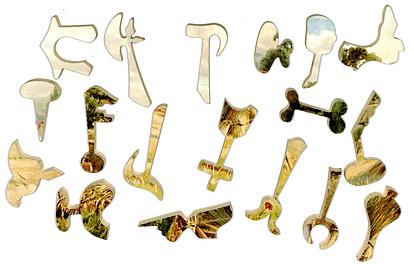
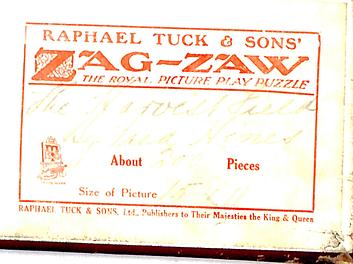
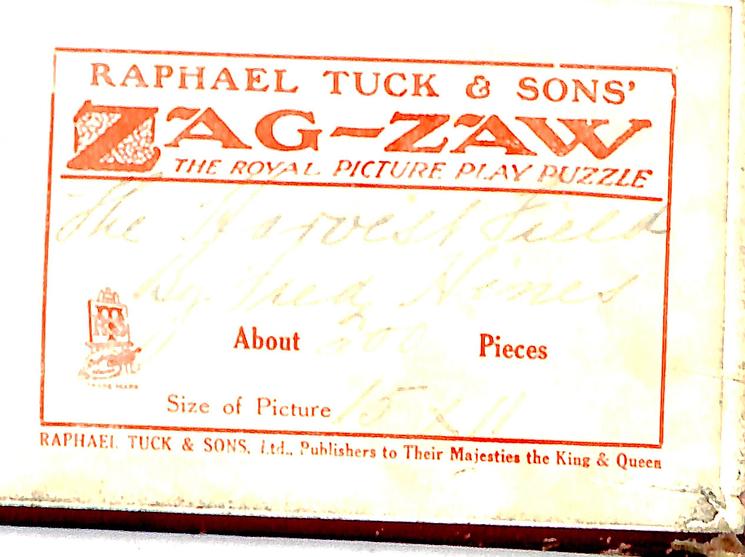
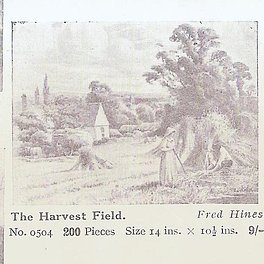
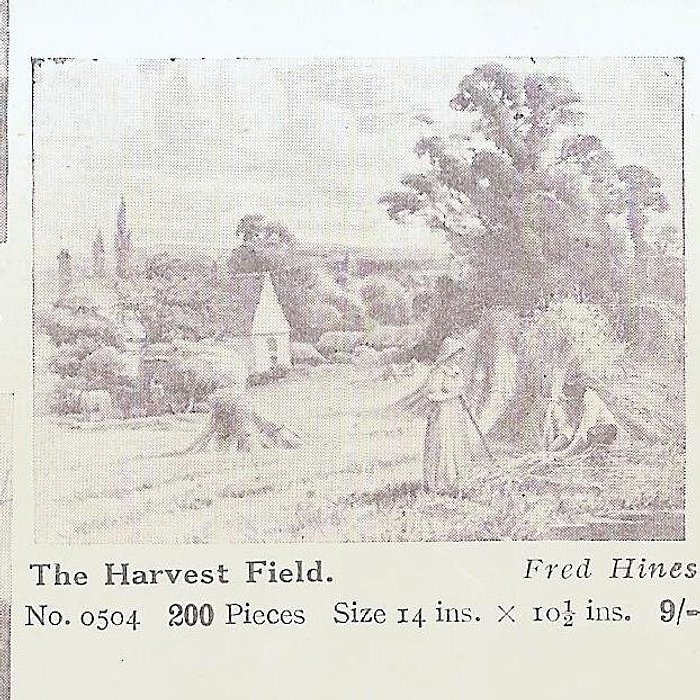
200 pieces, wooden, figurals,complete with box, push fit style, the same title also comes as a 75 piece puzzle by J. Atkinson with a different image, listed and described in the catalogs as number 504
|
|
|
|
Zag-Zaw line of puzzles was first produced in 1909, most incorporate figurals or whimsies, sold in red, orange, or occasionally green boxes with labels on the side or bottom of the box, most without guide pictures. Initially cut non-interlocking but by 1930's became more so. Puzzles have a different cuts so that the same image will come in several versions which means that missing pieces can not be taken from other puzzles with the same image. The puzzle labels are often hand written and come with minor variations in titles and details. Some have a DESIGN category on the label. From my readings this refers to the style of cut, wavy lines, figurals, etc. See also Bob Armstrong's website on old jigsaw puzzles
|
FRED HINES
|
|
14 x 10 1/2 in.
|
|
|
| |||
| 25572 |






|
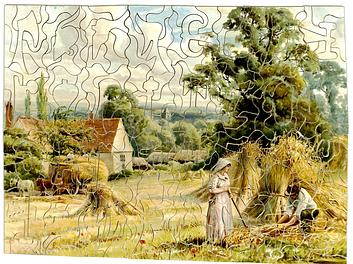
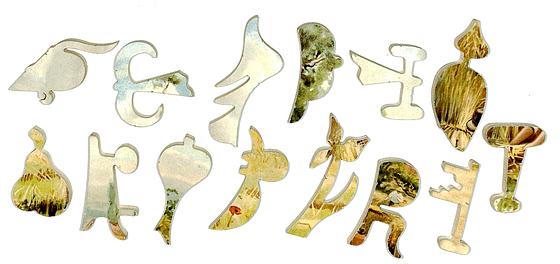
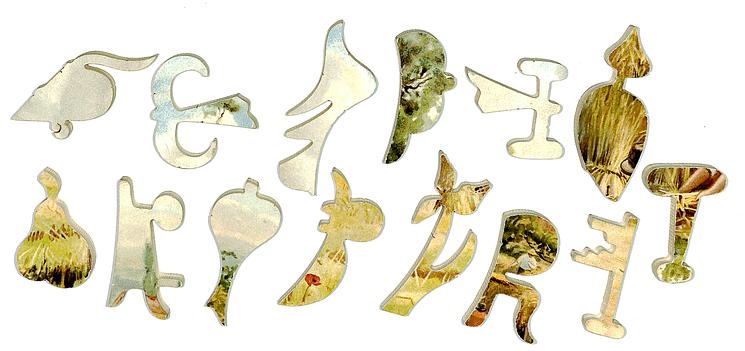
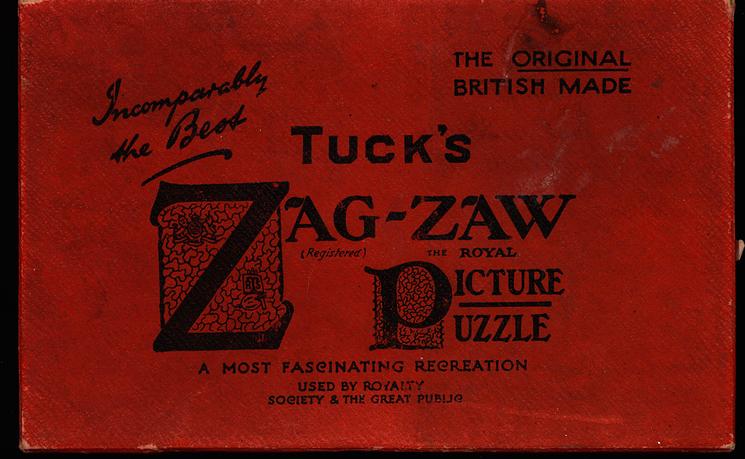
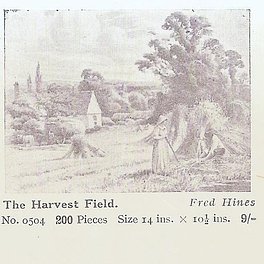
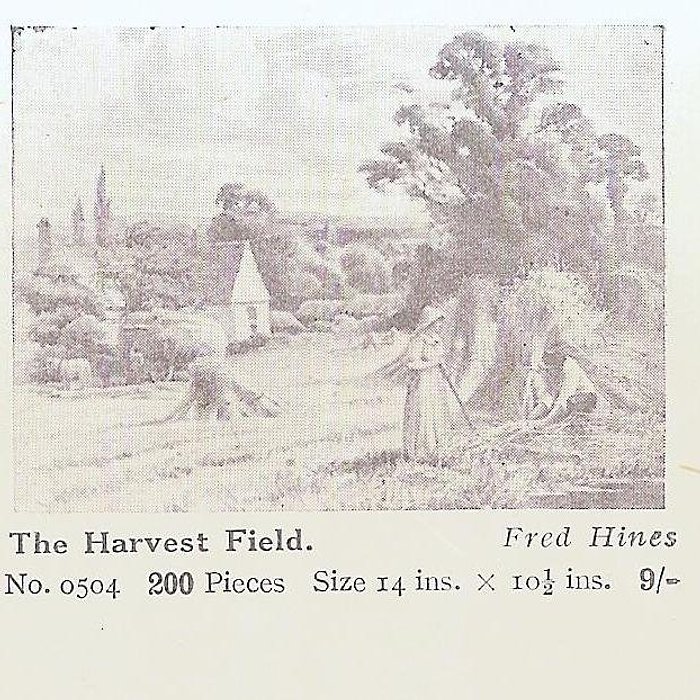
201 counted pieces, wooden, figurals, complete with box but no label, two broken but repaired pieces, the same title also comes as a 75 piece puzzle by J. Atkinson with a different image, listed and described in the catalogs as number 504
|
|
|
|
Zag-Zaw line of puzzles was first produced in 1909, most incorporate figurals or whimsies, sold in red, orange, or occasionally green boxes with labels on the side or bottom of the box, most without guide pictures. Initially cut non-interlocking but by 1930's became more so. Puzzles have a different cuts so that the same image will come in several versions which means that missing pieces can not be taken from other puzzles with the same image. The puzzle labels are often hand written and come with minor variations in titles and details. Some have a DESIGN category on the label. From my readings this refers to the style of cut, wavy lines, figurals, etc. See also Bob Armstrong's website on old jigsaw puzzles
|
FRED HINES
|
|
14 x 10 1/4 inches
|
|
|
| |||
| 25573 |


|
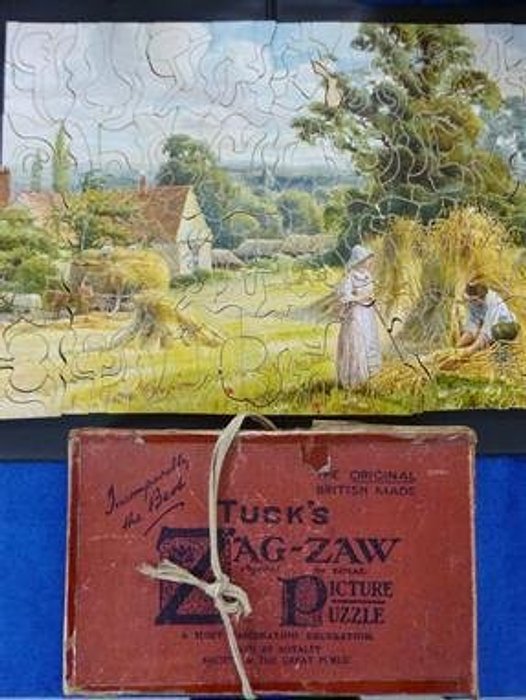
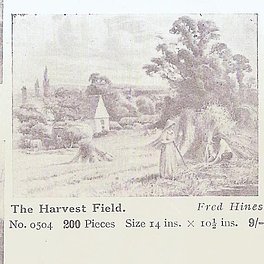
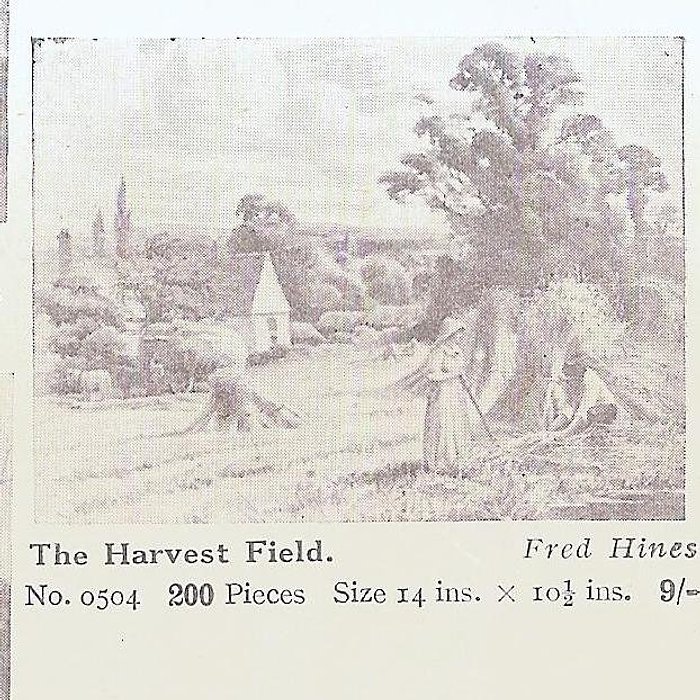
200 pieces, wooden, one piece missing, figurals, push fit style, the same title also comes as a 75 piece puzzle by J. Atkinson with a different image, listed and described in the catalogs as number 504
|
|
|
|
Zag-Zaw line of puzzles was first produced in 1909, most incorporate figurals or whimsies, sold in red, orange, or occasionally green boxes with labels on the side or bottom of the box, most without guide pictures. Initially cut non-interlocking but by 1930's became more so. Puzzles have a different cuts so that the same image will come in several versions which means that missing pieces can not be taken from other puzzles with the same image. The puzzle labels are often hand written and come with minor variations in titles and details. Some have a DESIGN category on the label. From my readings this refers to the style of cut, wavy lines, figurals, etc. See also Bob Armstrong's website on old jigsaw puzzles
|
FRED HINES
|
|
14 x 10 1/2 in.
|
|
|
| |||
| 25574 |







|
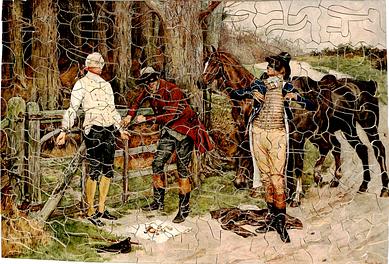
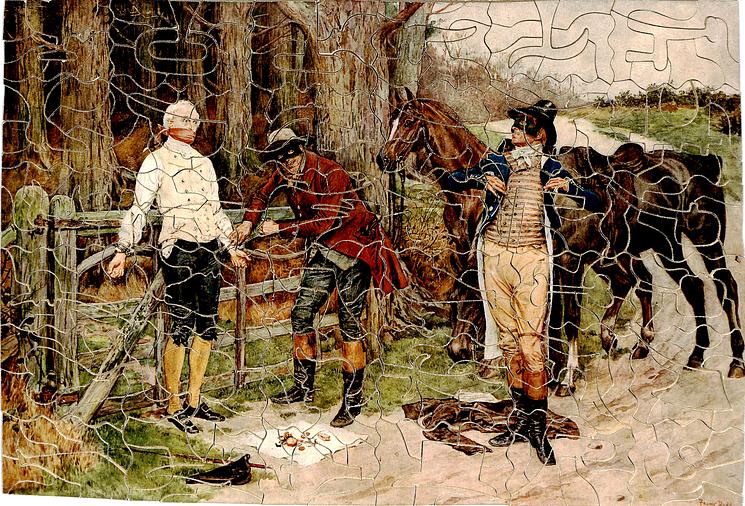
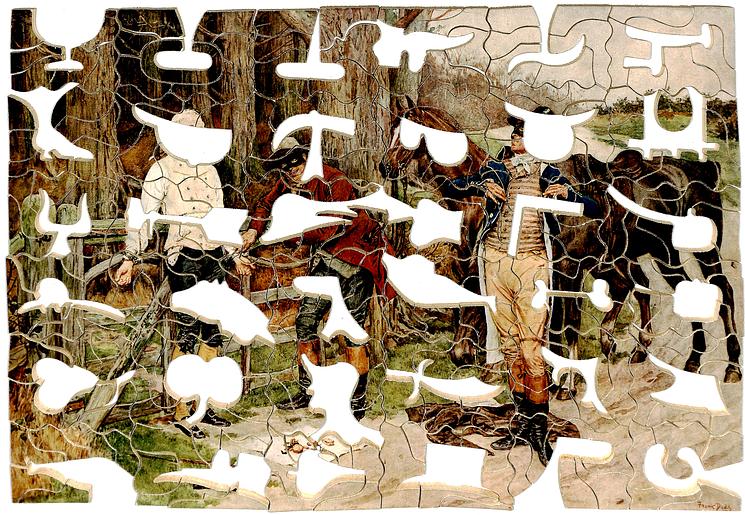
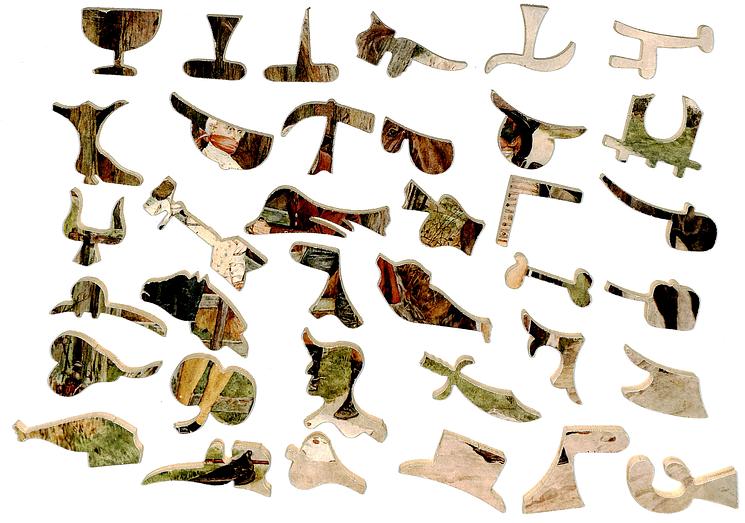
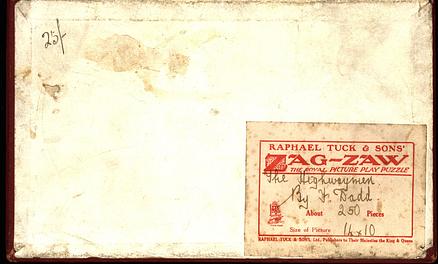
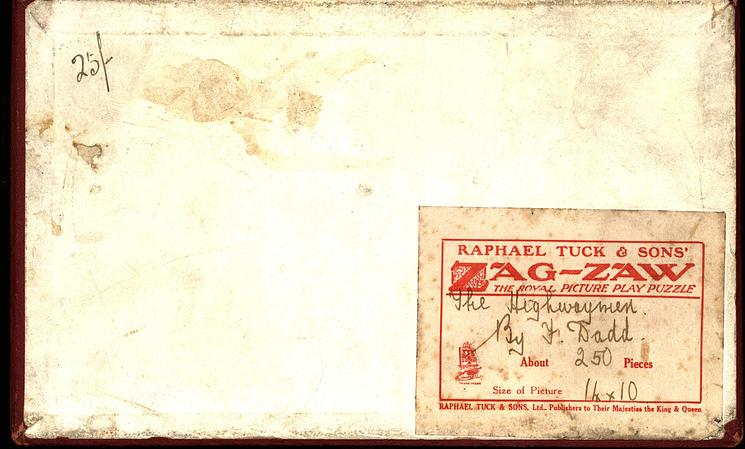
250 pieces, wooden, figurals, complete, one piece broken in two, with box, push fit style
|
|
|
|
Zag-Zaw line of puzzles was first produced in 1909, most incorporate figurals or whimsies, sold in red, orange, or occasionally green boxes with labels on the side or bottom of the box, most without guide pictures. Initially cut non-interlocking but by 1930's became more so. Puzzles have a different cuts so that the same image will come in several versions which means that missing pieces can not be taken from other puzzles with the same image. The puzzle labels are often hand written and come with minor variations in titles and details. Some have a DESIGN category on the label. From my readings this refers to the style of cut, wavy lines, figurals, etc. See also Bob Armstrong's website on old jigsaw puzzles
|
F. DADD
|
|
15 3/4 x 11 in.
|
|
|
| |||
| 25575 |







|
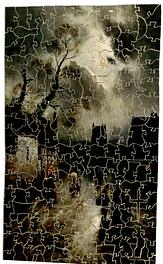
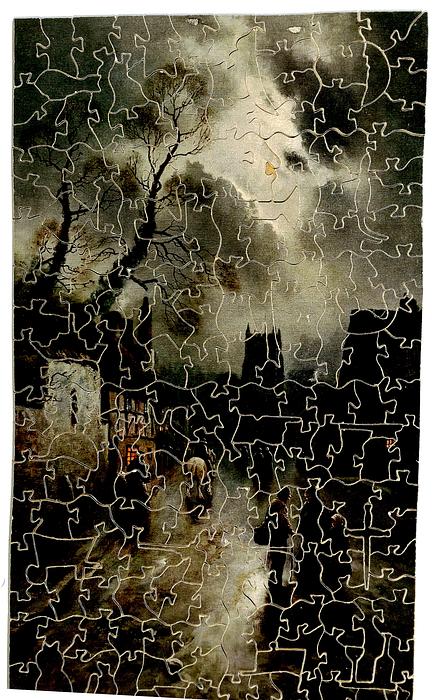
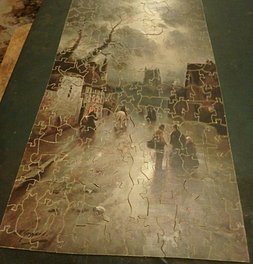
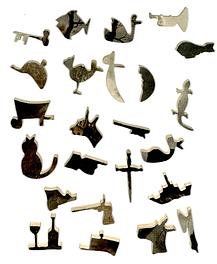
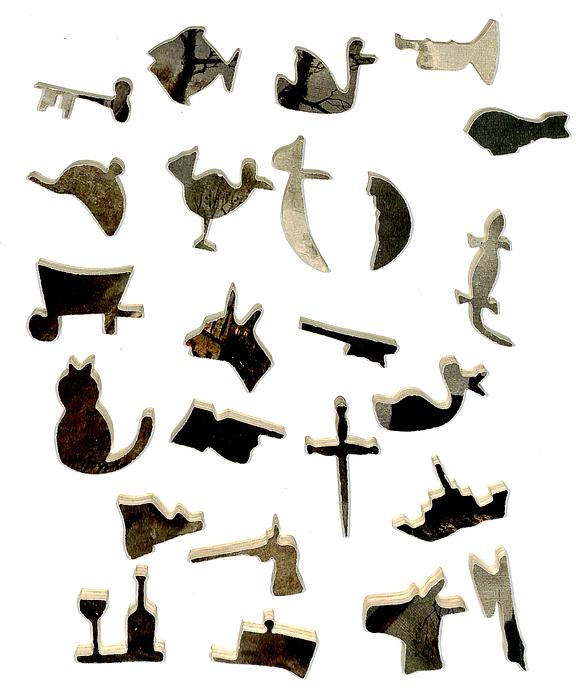
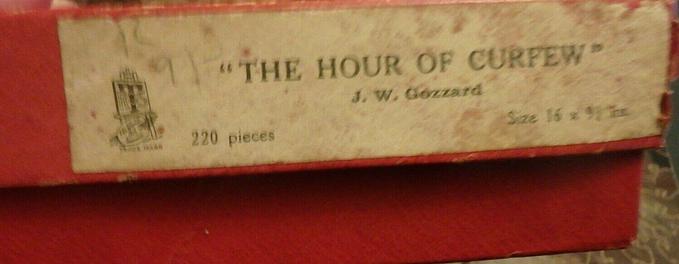
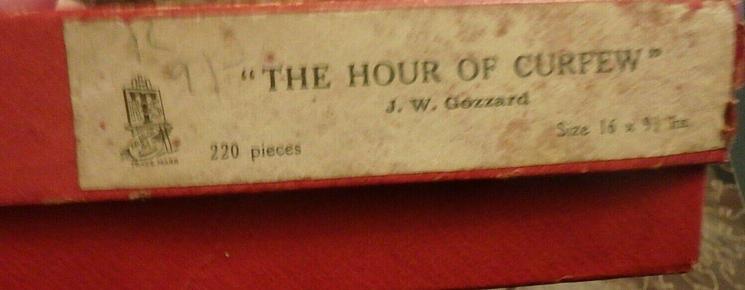
220 pieces, wooden, figurals, complete with box, two pieces with scuff marks and one nib missing colour paper, listed and described in the catalogs as number 0511
|
|
|
|
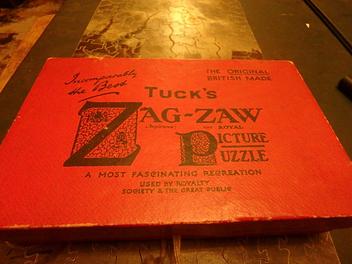
Zag-Zaw line of puzzles was first produced in 1909, most incorporate figurals or whimsies, sold in red, orange, or occasionally green boxes with labels on the side or bottom of the box, most without guide pictures. Initially cut non-interlocking but by 1930's became more so. Puzzles have a different cuts so that the same image will come in several versions which means that missing pieces can not be taken from other puzzles with the same image. The puzzle labels are often hand written and come with minor variations in titles and details. Some have a DESIGN category on the label. From my readings this refers to the style of cut, wavy lines, figurals, etc. See also Bob Armstrong's website on old jigsaw puzzles
|
J.W. GOZZARD
|
|
9 1/4 x 16 in.
|
|
|
| |||
| 25576 |







|
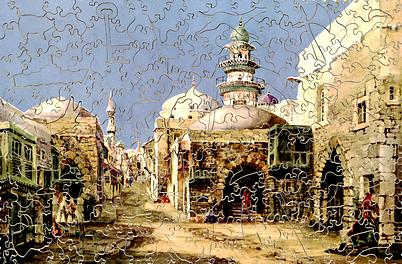
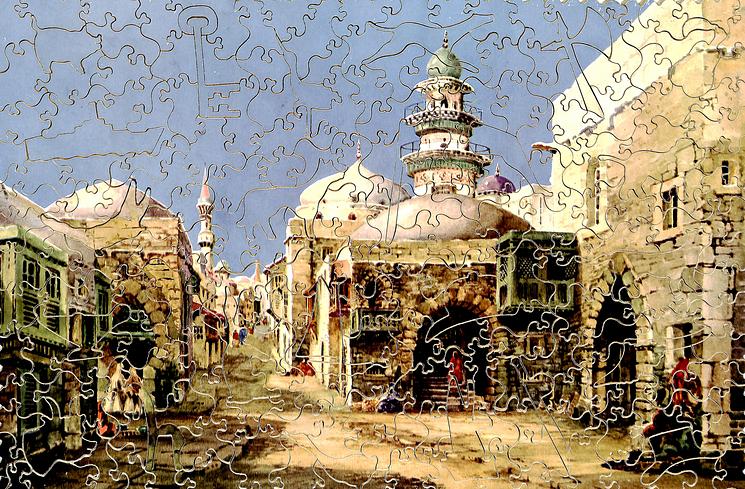
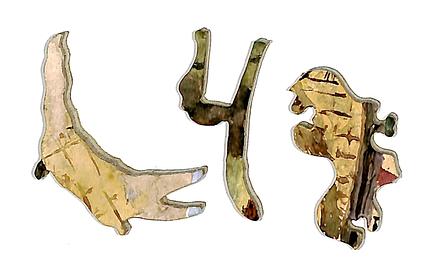
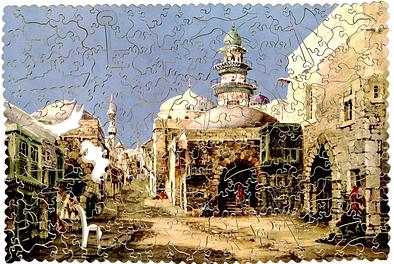
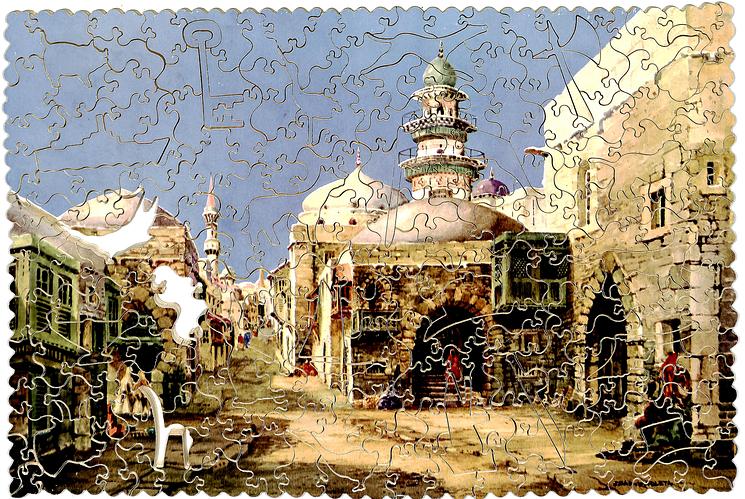
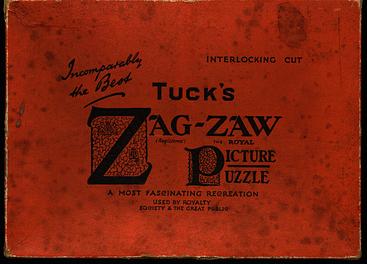
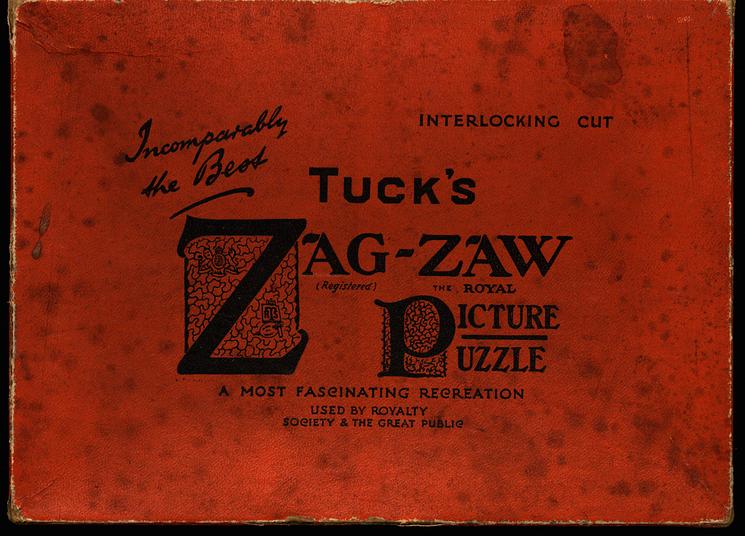
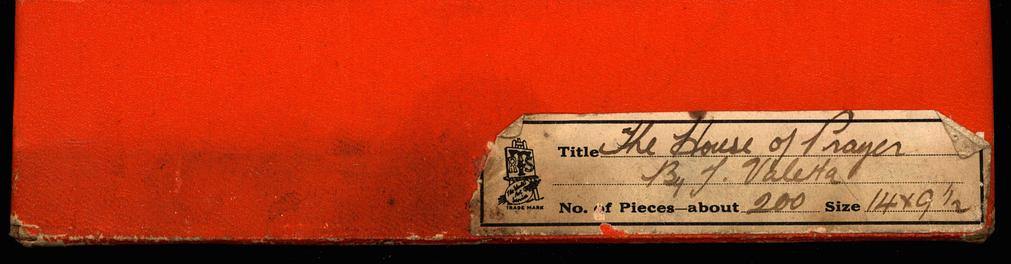
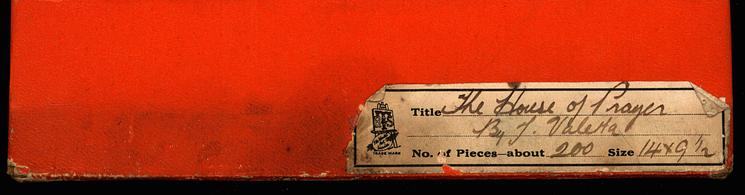
about 200 pieces, wooden, figurals, disguised edges, complete with box having three replacement pieces made, interlocking style. The artist F. Valerta or J[ean] Valetta. This is a pseudonym of the artist Noel Harry Leaver (1889-1951).
|
|
|
|
Zag-Zaw line of puzzles was first produced in 1909, most incorporate figurals or whimsies, sold in red, orange, or occasionally green boxes with labels on the side or bottom of the box, most without guide pictures. Initially cut non-interlocking but by 1930's became more so. Puzzles have a different cuts so that the same image will come in several versions which means that missing pieces can not be taken from other puzzles with the same image. The puzzle labels are often hand written and come with minor variations in titles and details. Some have a DESIGN category on the label. From my readings this refers to the style of cut, wavy lines, figurals, etc. See also Bob Armstrong's website on old jigsaw puzzles
|
F. VALERTA
|
|
13 3/4 x 9 1/4 in.
|
|
|
| |||
| 25577 |





|
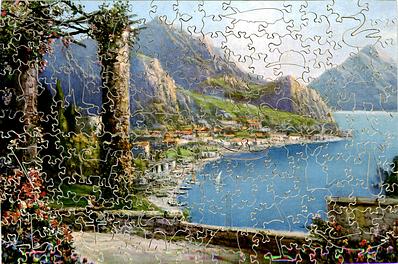
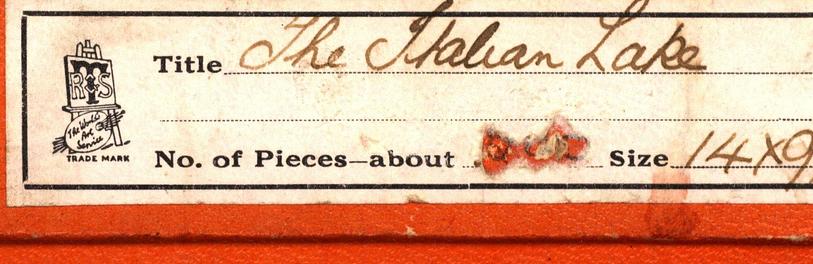
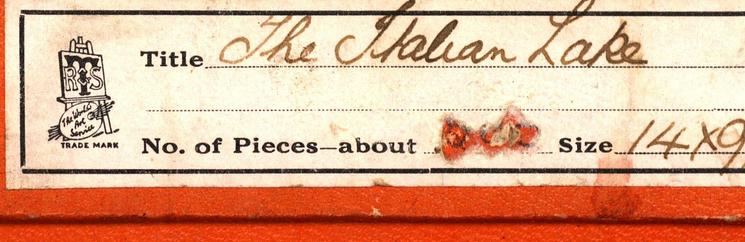
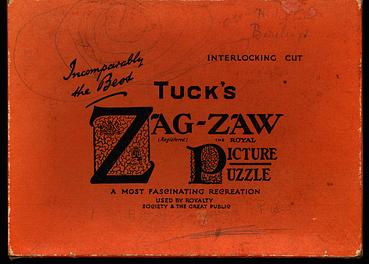
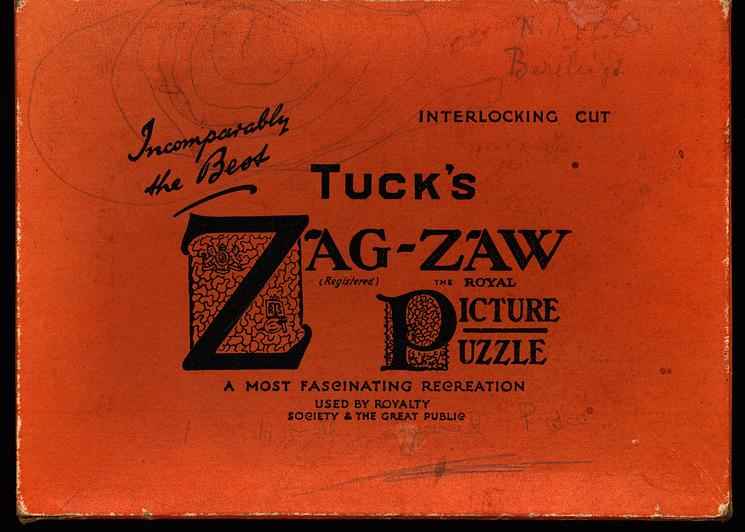
about 200 pieces, wooden, figurals, three replacement pieces, one piece broken but parts present, interlocking style
|
|
|
|
Zag-Zaw line of puzzles was first produced in 1909, most incorporate figurals or whimsies, sold in red, orange, or occasionally green boxes with labels on the side or bottom of the box, most without guide pictures. Initially cut non-interlocking but by 1930's became more so. Puzzles have a different cuts so that the same image will come in several versions which means that missing pieces can not be taken from other puzzles with the same image. The puzzle labels are often hand written and come with minor variations in titles and details. Some have a DESIGN category on the label. From my readings this refers to the style of cut, wavy lines, figurals, etc. See also Bob Armstrong's website on old jigsaw puzzles
|
|
|
13 3/4 x 9 1/2 in.
|
|
|
| |||
| 25578 |















|
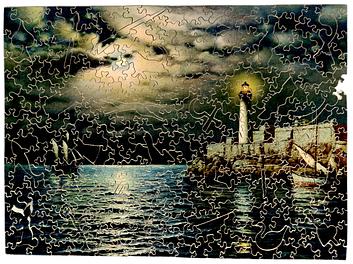
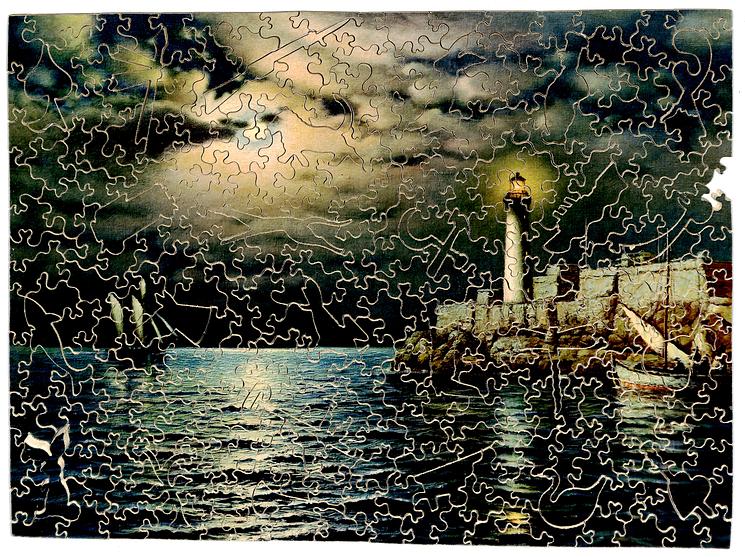
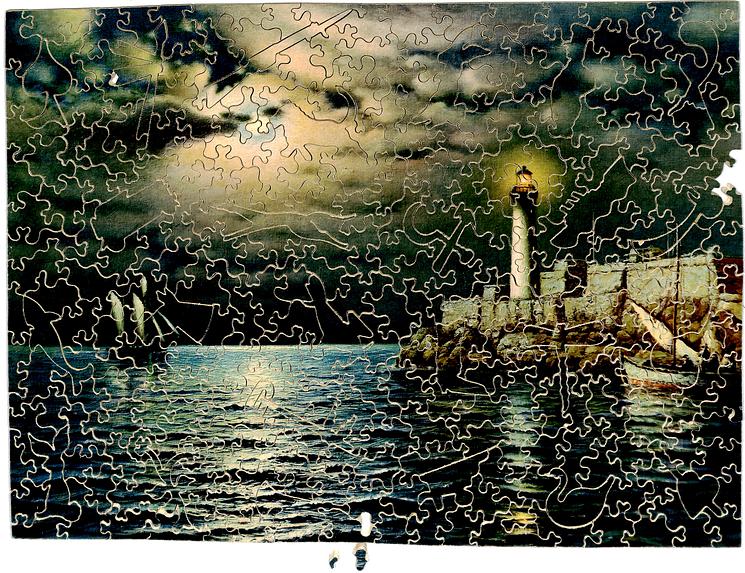
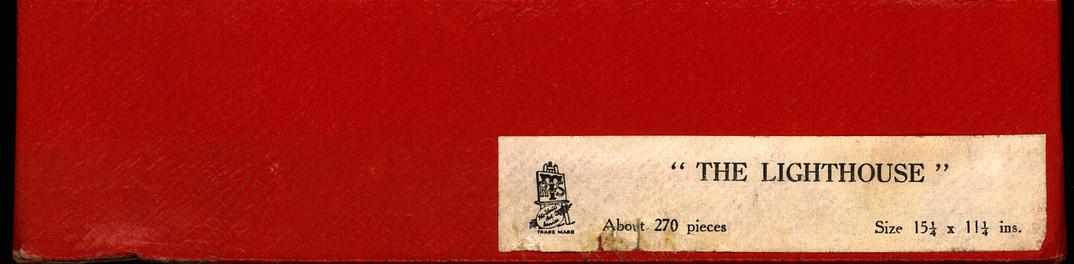
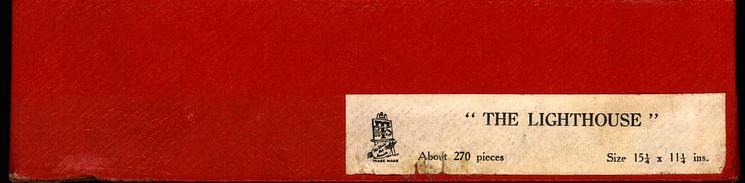
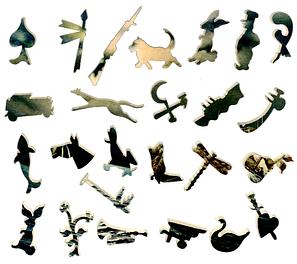
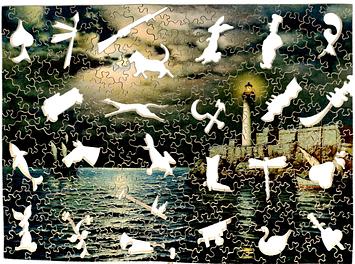
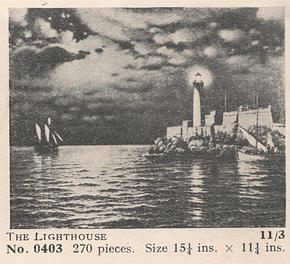
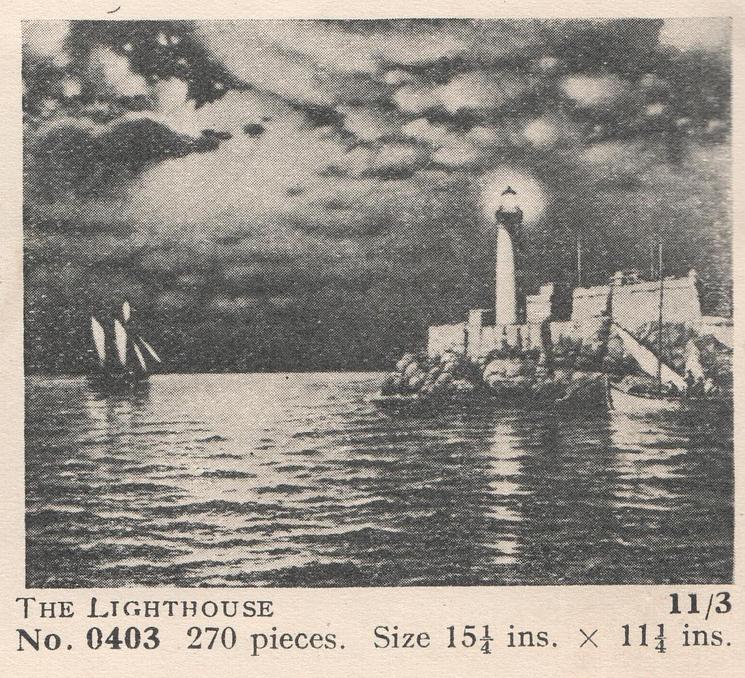
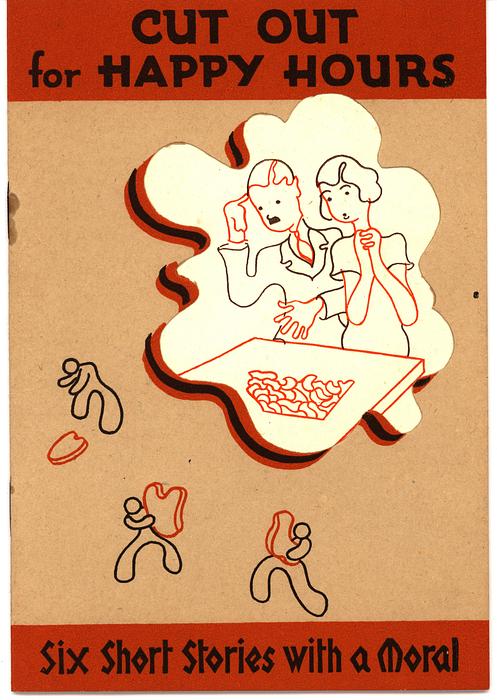
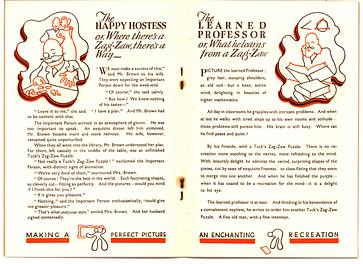
about 270 pieces, wooden, figurals, one piece missing, two nibs broken but present, interlocking style, listed in the catalogs as number 403, Tuck puzzle booklet CUT OUT FOR HAPPY HOURS, SIX SHORT STORIES WITH A MORAL enclosed in box
|
|
|
|
Zag-Zaw line of puzzles was first produced in 1909, most incorporate figurals or whimsies, sold in red, orange, or occasionally green boxes with labels on the side or bottom of the box, most without guide pictures. Initially cut non-interlocking but by 1930's became more so. Puzzles have a different cuts so that the same image will come in several versions which means that missing pieces can not be taken from other puzzles with the same image. The puzzle labels are often hand written and come with minor variations in titles and details. Some have a DESIGN category on the label. From my readings this refers to the style of cut, wavy lines, figurals, etc. See also Bob Armstrong's website on old jigsaw puzzles
|
Richard Dey de Ribcowsky
|
|
15 1/2 x 11 1/2 in.
|
|
|
| |||
| 25579 |



|
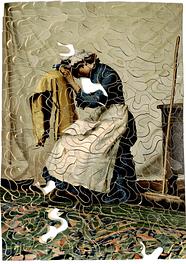
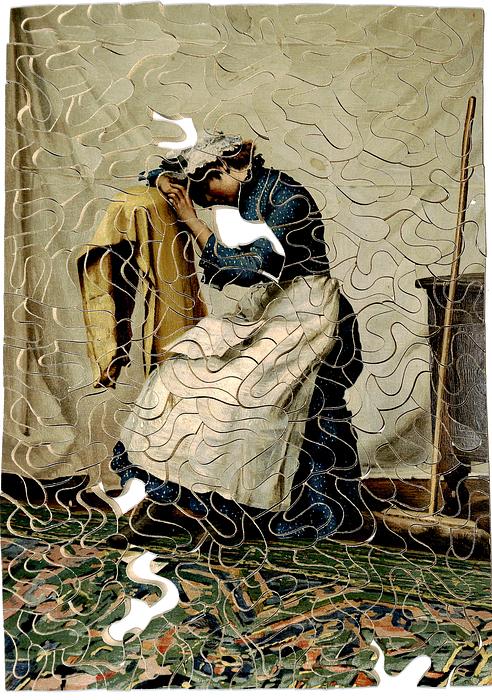
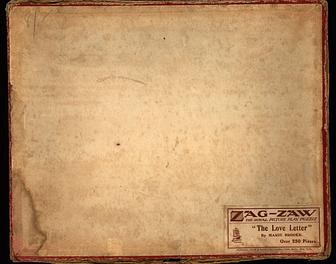
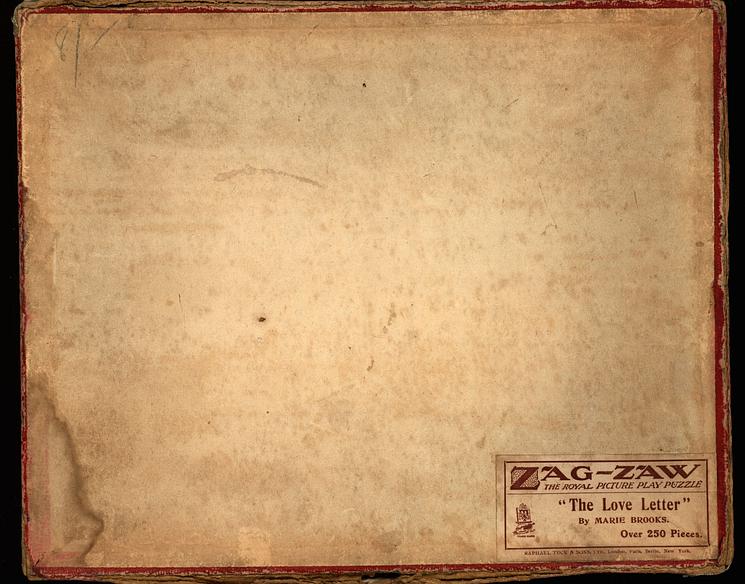
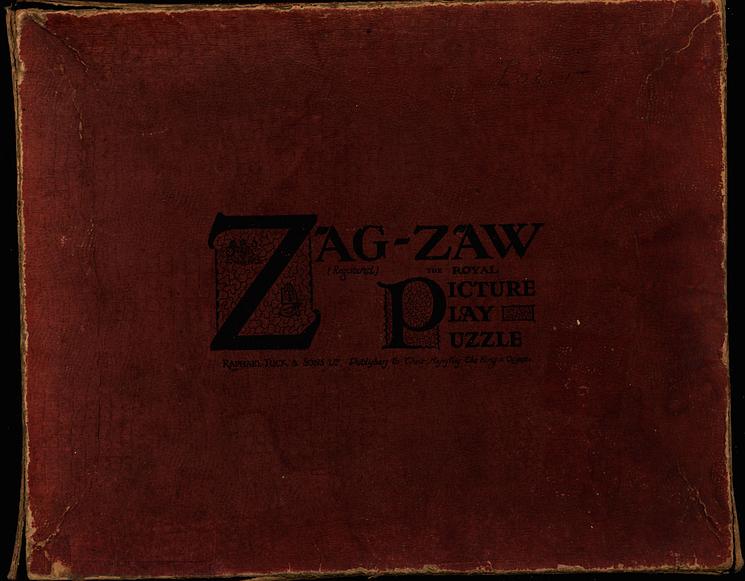
OVER 250 PIECES, wooden, wavy design, several pieces missing, two broken but glued and one chewed, with box
|
|
|
|
Zag-Zaw line of puzzles was first produced in 1909, most incorporate figurals or whimsies, sold in red, orange, or occasionally green boxes with labels on the side or bottom of the box, most without guide pictures. Initially cut non-interlocking but by 1930's became more so. Puzzles have a different cuts so that the same image will come in several versions which means that missing pieces can not be taken from other puzzles with the same image. The puzzle labels are often hand written and come with minor variations in titles and details. Some have a DESIGN category on the label. From my readings this refers to the style of cut, wavy lines, figurals, etc. See also Bob Armstrong's website on old jigsaw puzzles
|
MARIA BROOKS 84
|
|
11 1/4 x 16 in.
|
|
|
| |||
| 25580 |







|
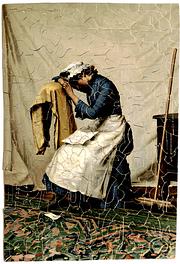
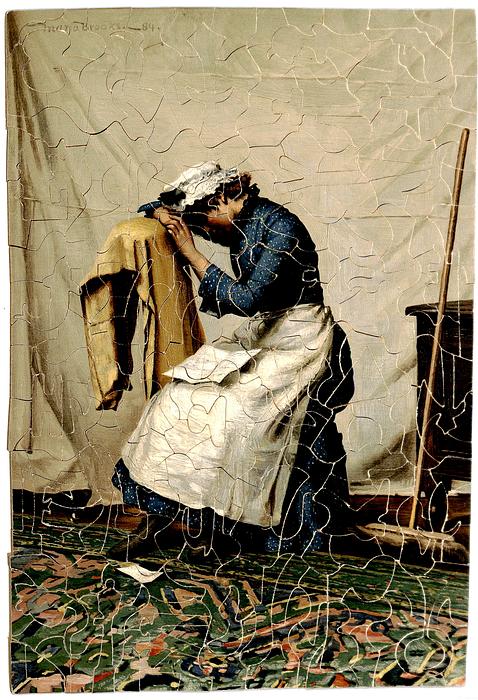
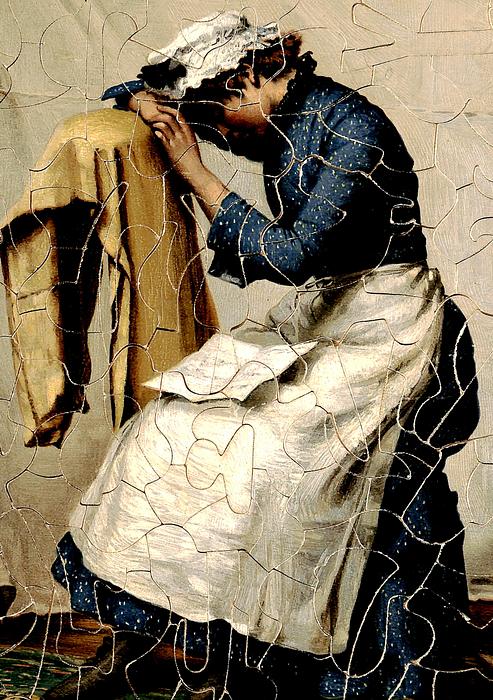
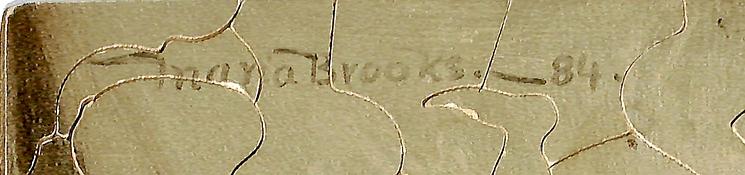
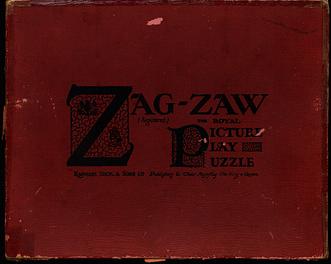
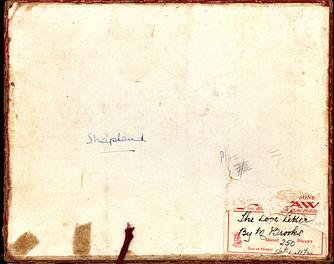
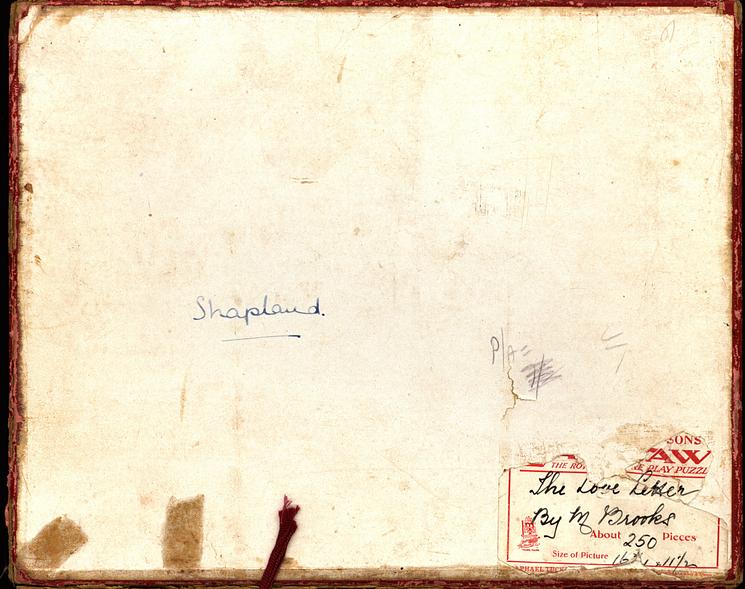
about 250 pieces, wooden, figurals, complete with box, push fit style
|
|
|
|
Zag-Zaw line of puzzles was first produced in 1909, most incorporate figurals or whimsies, sold in red, orange, or occasionally green boxes with labels on the side or bottom of the box, most without guide pictures. Initially cut non-interlocking but by 1930's became more so. Puzzles have a different cuts so that the same image will come in several versions which means that missing pieces can not be taken from other puzzles with the same image. The puzzle labels are often hand written and come with minor variations in titles and details. Some have a DESIGN category on the label. From my readings this refers to the style of cut, wavy lines, figurals, etc. See also Bob Armstrong's website on old jigsaw puzzles
|
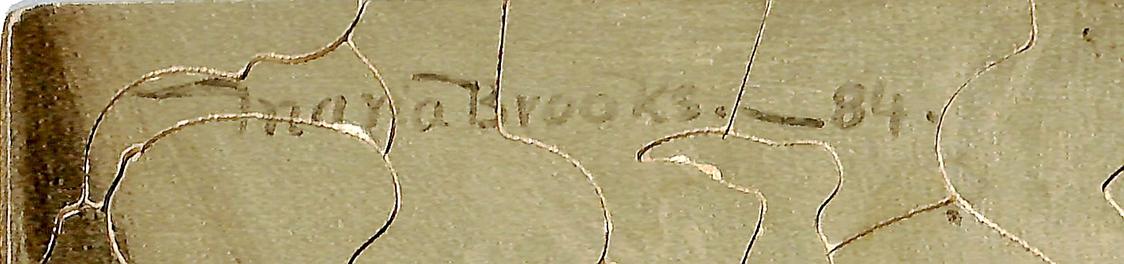
MARIA BROOKS 84
|
|
11 3/4 x 16 1/2 in.
|
|
|
|